The Story
Why it exists.
The beginning
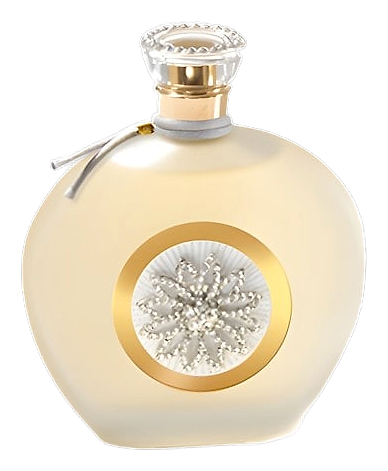
Rose de Rose arrived in 2011 as part of the Les Étoiles collection, Christian Carbonnel's statement on what a rose fragrance can be when it refuses to apologize for itself. The brief was clear: build around Bulgarian rose, yes, but don't stop there. Let it bloom into cream, let it get close. The fragrance takes its name from the very material that anchors it, rose de rose, rose from rose, the layering made literal. It was designed for someone who wants the flower but also the warmth that comes after you've been wearing it for hours and the petals have given way to something skin-true and intimate.
What makes Rose de Rose interesting is its refusal to be one thing. Bulgarian rose opens with the full-bodied tart-sweetness of petals at their peak, this is not a watery, transparent rose. It carries weight. Into that weight, Carbonnel introduces Malayan ylang-ylang and Grasse jasmine, both of which have a creamy, slightly waxy quality that softens without diluting. The tuberose adds a touch of the narcotic, that white-floral intensity that can tip into indolic territory on warm skin. The counterweight is the vanilla-sandalwood base: Bourbon vanilla brings sweetness and warmth, sandalwood brings cream and wood. Together they don't overpower the rose, they escort it.
The evolution
The opening of Rose de Rose announces itself immediately. Bulgarian rose, full stop. No pretense, no waiting. This phase holds for thirty minutes to an hour, depending on your skin, before the heart notes begin to assert themselves. Jasmine and ylang-ylang arrive quietly, wrapping around the rose and softening its edges. The transition is seamless, you realize the rose is still there, but it's no longer alone. By hour two, tuberose has emerged fully, adding a creamy, slightly animalic depth that shifts the fragrance from bright to warm. This is the heart's gift: it takes a bold opening and makes it wearable for a full day. The drydown begins around hour four. Vanilla and sandalwood take over, but they don't replace the florals, they absorb them. The final hours smell like warm skin with a memory of flowers. On fabric, the vanilla-sandalwood accord lingers into the next day.
Cultural impact
Rose de Rose occupies a specific niche: the collector's rose. Not a trend-driven floral, not a mass-market crowd-pleaser. It sits alongside Helmut Lang Eau de Parfum as a reference point for what a powdery-rose composition can achieve when it prioritizes warmth over brightness. Worn by those who know the house, sought by those who are still discovering it.