
The Story
Why it exists.
The beginning
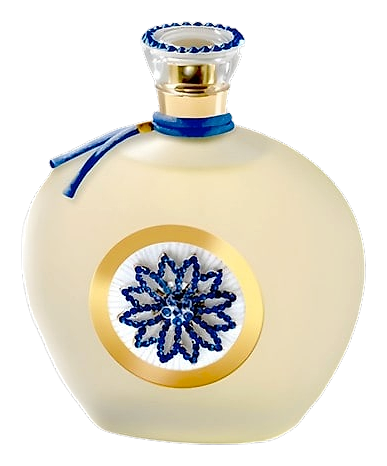
The Malabar coast, India's southwestern shoreline, has grown jasmine that carries a sense of place. Its name on a bottle signals something specific: the jasmine used in this composition originates from this region, and that geographic connection matters to the scent's identity. Christian Carbonnel composed Jasmin du Malabar in 2011 as part of the Les Étoiles collection at Rance 1795. The choice of Malabar as the fragrance's anchor is deliberate, grounding the jasmine in a specific landscape rather than leaving it abstract. Tangerine and bergamot open the composition, not to dilute the jasmine but to carry it, lifting the flower to somewhere more electric. The citrus elements provide brightness and an immediate impression that draws attention before giving way to the heart.
The architecture of Jasmin du Malabar is deceptively simple: jasmine, citrus, orange blossom, mimosa. What makes it work is the layering within each category. Three jasmine types, Grasse jasmine absolute, Indian jasmine, and jasmine sambac, don't sit together as a bloc. They perform different functions as the fragrance develops, each asserting itself at different points rather than arriving simultaneously. The citrus opening is critical here. Bergamot and tangerine don't simply add freshness, they elevate the jasmine, carrying it above its usual register. The orange blossom that follows brings indolic depth, a slightly animal quality that prevents the composition from reading as purely bright.
The evolution
The opening announces itself with crisp citrus: bergamot's clean bitterness, tangerine's bright sweetness. The jasmine arrives quickly, less than a minute, already multi-layered, already arguing with itself rather than presenting as a single note. Within the first hour, the orange blossom takes over as the dominant voice. Here the fragrance shows its oriental nature: indolic, slightly animal, honeyed in a way that moves the jasmine away from freshness and toward depth. The citrus hasn't disappeared, it lingers in the background, preventing the orange blossom from becoming too heavy. The heart holds for several hours, and this is where the fragrance earns its reputation for longevity. The jasmine deepens rather than fades, the orange blossom intensifying into something almost hypnotic. The green accords from the opening evolve into a waxy, almost botanical quality that keeps the floral from reading as purely sweet. The drydown belongs to the mimosa. Powdery, warm, with a slightly sweet edge that rounds the composition into something cohesive and wearable.
Cultural impact
For collectors drawn to jasmine-forward compositions with geographic specificity, Jasmin du Malabar occupies a distinct position. The Malabar reference signals provenance and authenticity, a nod to a region famous for jasmine cultivation, appealing to those who value ingredient storytelling over marketing narratives. The composition's complexity, three jasmine types, citrus elevation, warm mimosa close, positions it as a serious jasmine for someone who wants the flower to mean something beyond itself.