
The Story
Why it exists.
The beginning
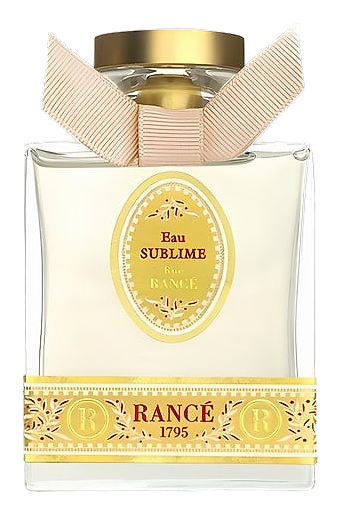
The Rue Rance collection takes its name from a nod to Grasse's perfume geography rather than a single moment in time. Eau Sublime translates that heritage into something immediate: a fragrance that opens bright and ends warm, its refinement worn quietly. The composition avoids the common pitfall of citrus fragrances, where brightness can lack structural support. What emerges instead is a scent that rewards attention without demanding it, its sophistication revealed through wear rather than announced upfront. The perfumer crafted something that speaks softly but carries presence, the kind of fragrance that unfolds gradually on the skin, revealing nuance as the minutes pass.
The combination of hyacinth and myrtle provides a green anchor with genuine texture and a slightly bitter edge that prevents the florals from going soft too quickly. These notes bring a sophisticated earthiness that grounds the composition without introducing harshness or artificial green sharpness. The result is a fragrance that moves from brightness to powder-warmth without ever feeling like it's trying to make a point.
The evolution
The opening arrives immediately with neroli, lemon, red mandarin, and lime leaf. A burst of citrus that doesn't linger, and soon the myrtle and lily of the valley begin their work, softening the edges while adding texture and dimension. The hyacinth adds a green undertone that deepens everything, creating a quiet phase where the fragrance comes into focus rather than announces itself. By the heart, rose and ylang-ylang create a creamy warmth that becomes the fragrance's main character, taking over from the citrus which recedes to become a memory of brightness rather than a statement. The drydown is where iris and vanilla do their work, adding a powdery warmth that develops gradually as the top notes fade. The white musk keeps everything close, intimate rather than projecting across the room.
Cultural impact
Eau Sublime offers a different proposition in a market where fragrances often compete for attention through projection and longevity claims. The citrus-floral-powdery structure is familiar in outline, but the restraint in execution sets it apart from more assertive options. The fragrance doesn't demand attention from across the room, instead offering its qualities to those who come close. This approach appeals to wearers who prefer subtlety over statement, who find that strong projection can create distance rather than connection.
The House
Rance 1795Rancé 1795 is a French perfume house that traces its origins to the late eighteenth century. Founded in Grasse by François Rancé, the brand has survived more than two centuries of political change, artistic movements and shifting consumer tastes. Today it offers a curated portfolio of niche scents that blend historic techniques with contemporary sensibilities, appealing to collectors who value depth and continuity.
The Creator
Francois RanceFrancois favors a methodical approach that begins with a single accord, then builds layers through precise additions. He prefers natural absolutes such as jasmine, rose de Mai, and oakmoss, pairing them with crystalline citrus extracts and subtle mineral notes.