
The Story
Why it exists.
The beginning
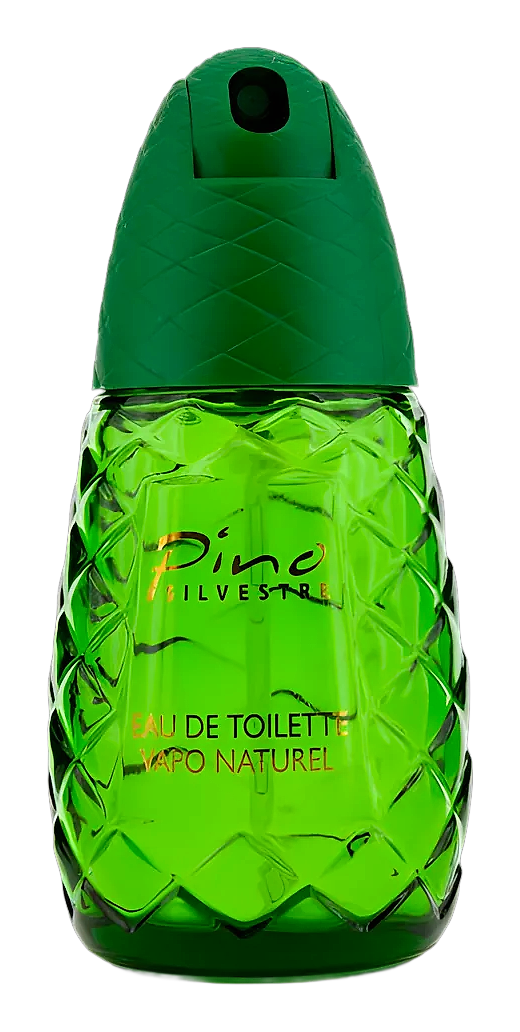
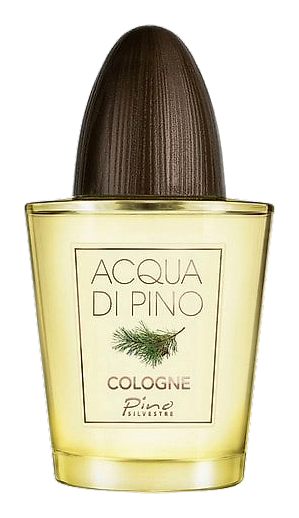
In 1992, Pino Silvestre introduced Icewater, a men's cologne that took the brand's familiar pine character and pushed it toward something colder, more aquatic, more immediate. The composition leans into green notes, rosemary, and pine to create a scent that feels less like a walk through the Italian countryside and more like stepping into a forest stream at dawn. The result is a fougère-adjacent aromatic that wears its outdoorsiness on the surface, crisp, herbal, and unmistakably masculine without trying to be anything other than what it is. Icewater reads as a transparent, almost watery interpretation of the house DNA.
What makes Icewater interesting is the balance between its herbal sharpness and its resinous backbone. The top is built around rosemary, clary sage, pine, fir, and thyme, a stack of green, almost medicinal aromatics that hit you immediately and don't ask permission. Underneath that herbaceous rush, the base of oakmoss, sandalwood, and tonka bean gives it staying power and a mossy warmth that prevents the top from feeling hollow. It's an old-school fougère structure dressed in cold-water clothing, and that tension is where the scent lives. The herbal notes do more than decorate the opening.
The evolution
The opening is the sharpest: bergamot and lemon cut through with a green, almost bitter edge from the rosemary and petitgrain. Lavender softens the edges but doesn't tame them. There's a clarity to the top that feels bracing and immediate, almost like stepping outside on a cold morning. As the minutes pass, the heart opens up. Pine and fir step forward, joined by clary sage and thyme. The carnation adds a subtle spiced-floral note that keeps things from going too forest-floor. This is the phase that defines the fragrance: green, coniferous, herbal, and alive. The coniferous elements don't just sit at the top of the composition. They run through the middle and continue to resonate well into the base. As the scent settles on skin, the base starts to emerge. Oakmoss and sandalwood take over, with a warm amber and tonka bean drydown that keeps the scent close to skin.
Cultural impact
Pino Silvestre Icewater arrived in 1992 and quickly became part of the landscape of European men's fragrance. The brand leaned into its heritage pine-and-lavender formula while layering in a cold-water freshness meant to signal athleticism and modernity. It sold widely at a price that made it accessible to young buyers across Europe, particularly in markets where pharmacy and barbershop distribution mattered. The scent itself, more than the marketing, did most of the cultural work.