The Story
Why it exists.
The beginning
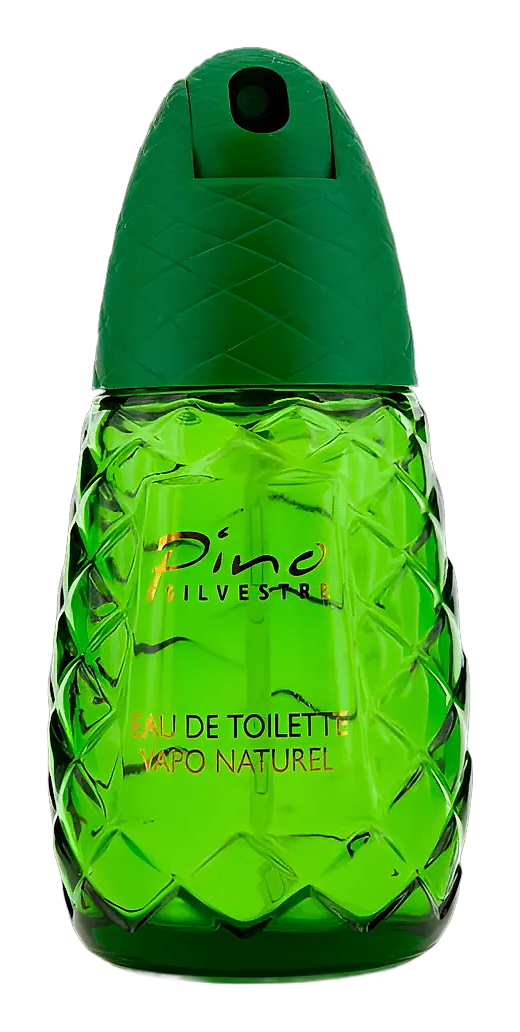
In 1955, Lino Vidal composed Pino Silvestre Original for an Italian house built around conifer-forward compositions. The green fougere structure placed pine at the center rather than as an accent, with juniper berries, basil, clary sage, and pine tree needles forming the core notes, drawing from an herbal tradition to create a woodland character. The signature bottle's pinecone silhouette reflects this botanical foundation, its design rooted in the emerald bottle concept that has become synonymous with the brand's identity. Green conifer spirit runs through the entire lineage.
The note philosophy behind Pino Silvestre Original treats pine as a complete olfactory experience rather than a single element. Juniper berries and pine tree needles bring freshness reminiscent of rain on conifer bark. Basil and clary sage contribute the herbal quality found in Mediterranean scrubland. Cedarwood and oakmoss represent the forest floor while amber and tonka bean offer a gentle sweetness that prevents austerity. Each note earns its place: citrus for opening brightness, herbal and green notes for the heart, cedarwood and musk for longevity.
The evolution
The opening hits with bergamot, lemon, and juniper berries for a bright citrus spark, quickly grounded by basil and lavender. Pine tree needles surge within minutes, joined by clary sage and geranium for an herbal complexity that keeps the heart fresh rather than heavy. As cedarwood and oakmoss arrive in the drydown, amber and tonka bean warm the composition, creating a finish that feels rooted and comfortable rather than sharp. The entire arc moves from crisp openness to grounded woodland depth.
Cultural impact
A green-citrusy fougere released in 1955, offering an aromatic structure that stood apart from what the modern designer market would later favor. The composition emphasized conifer and herbs rather than marine or ozonic elements, creating a template for masculine freshness rooted in evergreen character. Its green-fougere approach offered something distinctive before the niche fragrance movement and before the contemporary masculine landscape took its current shape. The fragrance continues to be discussed among those who appreciate classic aromatic compositions.