







Heritage
A house, in its own words
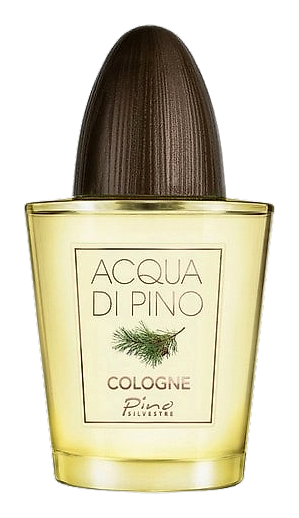
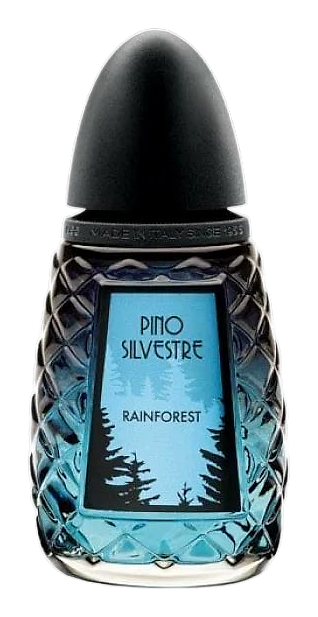
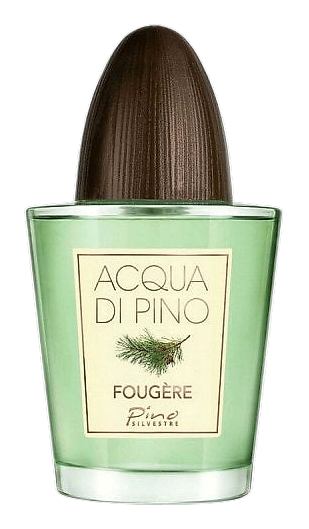
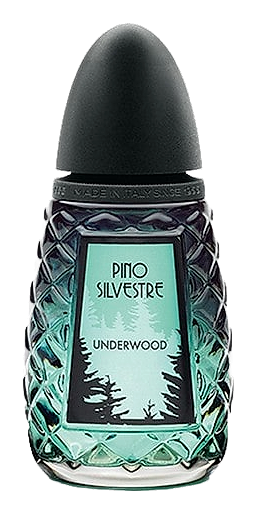
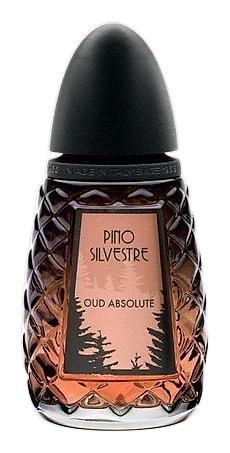
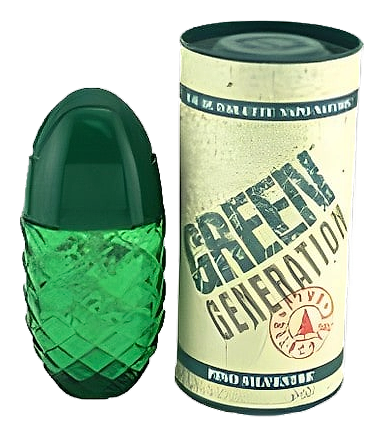
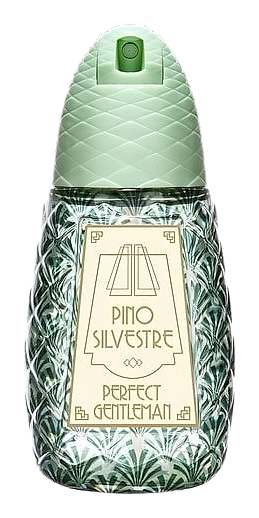
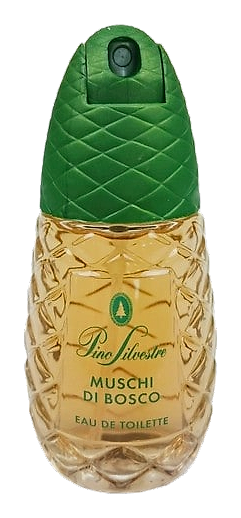
The story of Pino Silvestre begins in 1955 when perfumer Lino Vidal introduced the first fragrance under the name Pino Silvestre Original in Venice, Italy. Vidal, a veteran of the Italian perfume scene, crafted a scent built around juniper berries, basil, lemon, lavender and bergamot, a composition that evoked the pine forests of the Italian countryside. The launch coincided with a post‑war revival of Italian design, and the green pinecone bottle, designed by a local artisan, quickly became a visual hallmark. In the 1970s the brand expanded its distribution beyond Italy, reaching boutiques in France and Germany, where the fragrance earned a reputation for its crisp, outdoorsy profile. The 1990s saw the introduction of Pino Silvestre Extreme, a stronger, more aromatic take that incorporated amber and sandalwood, reflecting a shift toward richer accords while retaining the pine core. The early 2000s brought the Sport Cologne (2008), a lighter, athletically inspired version aimed at younger consumers. Between 2014 and 2018 the house released a burst of new creations—Underwood, Rainforest, Oud Absolute, Deep Charisma and Modern Dandy—each exploring a different facet of the pine theme, from woody oud depth to tropical rainforest freshness. Throughout its history the brand has remained privately owned, operating out of a modest workshop in the Veneto region where formulation and bottling still occur in the same facility that produced the 1955 original. The continuity of place and personnel has allowed Pino Silvestre to preserve a consistent scent language while adapting to evolving market tastes. Pino Silvestre approaches perfumery as a dialogue between nature and craft. The house believes that a fragrance should capture a specific place or moment, and it therefore selects ingredients that can be traced to a geographic source. The pine motif is not a gimmick; it represents the brand’s respect for the Italian woodland heritage and serves as a compass for new creations. Rather than chasing trends, the house follows a principle of measured evolution: each new launch must introduce a novel facet—whether a different type of wood, a contrasting spice, or an unexpected marine note—while keeping the pine heart recognizable. Sustainability is part of the ethos; the company sources botanical extracts from certified growers in the Alpine region and works with suppliers who practice responsible harvesting. Transparency is also valued; ingredient lists are published on the brand’s website, and the team engages with fragrance enthusiasts through open‑ended Q&A sessions. This philosophy translates into a modest but loyal following that appreciates the honesty of the scent narrative and the restraint shown in composition.