Lino Vidal
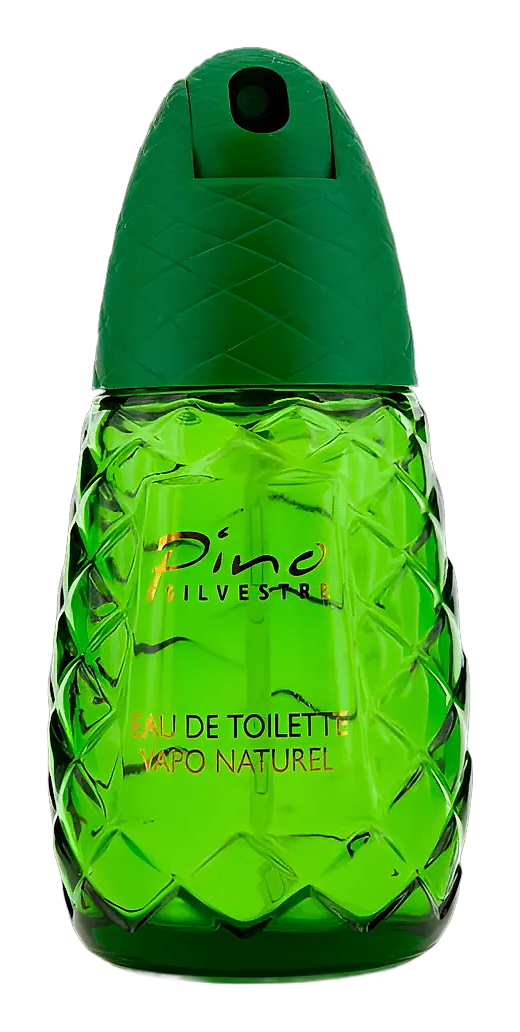
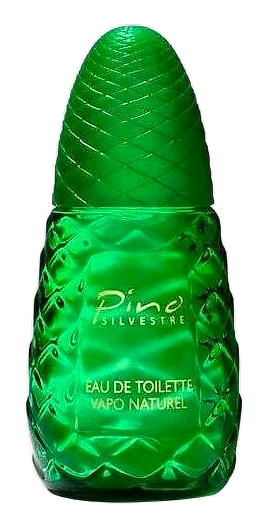
Lino Vidal was born into the family business his father Angelo founded in Venice in 1900—a laboratory dedicated to perfumes and soaps. Alongside his brothers Renzo and Mario, Lino helped build the Vidal company into a respected Italian fragrance house. In 1955 he created Pino Silvestre, a pine-forward masculine scent that became the family's most enduring work. The fragrance stayed in production until the early 1980s. When Mavive acquired the brand, they turned to nose Thomas Fontaine to reconstruct Vidal's original 1955 formula from archived documents, bringing back to life a creation that had quietly influenced Italian perfumery for decades. The reconstruction revealed the restraint and precision that characterized Vidal's work—bold natural materials balanced with discretion rather than excess.
The hits
Notable creations
The signature
How Lino composes
Vidal's signature leaned into aromatic and coniferous materials—pine, juniper, cypress—with supporting notes of Mediterranean herbs like sage and lavender. He had a particular affinity for citrus, using bright top notes to lend freshness before allowing the woody and resinous heart to develop. His compositions showed a predilection for clarity over intricacy, with well-defined transitions between opening, heart, and drydown. The balance between aromatic needle woods and warmer base materials—amber, sandalwood—gave his work an approachability that kept it relevant across decades without resorting to trend-chasing.
Philosophy
What drives Lino
Vidal approached fragrance creation as storytelling rooted in place. A Venetian perfumer, he drew on the city's centuries-old tradition of aromatic craftsmanship to inform work that felt distinctly Mediterranean. His compositions reflected a belief that perfume should evoke memory and atmosphere rather than simply announce itself. He favored clear, legible structures where each material played a defined role rather than blending into abstraction. His guiding idea seemed to be that lasting fragrance comes not from complexity but from honesty in raw materials and clear creative intent.
The houses