The Story
Why it exists.
The beginning
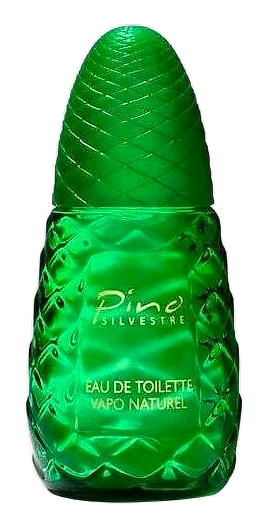
In 1955, perfumer Lino Vidal created an aromatic fougere. The brief called for juniper, basil, and a fistful of citrus to anchor the composition. The result was this, an aromatic fougere that opened like a window thrown wide in a mountain lodge. The authentic bottle design arrived with a sculptural, intentional shape that held its own through the decades. Sixty years later, the composition still holds.
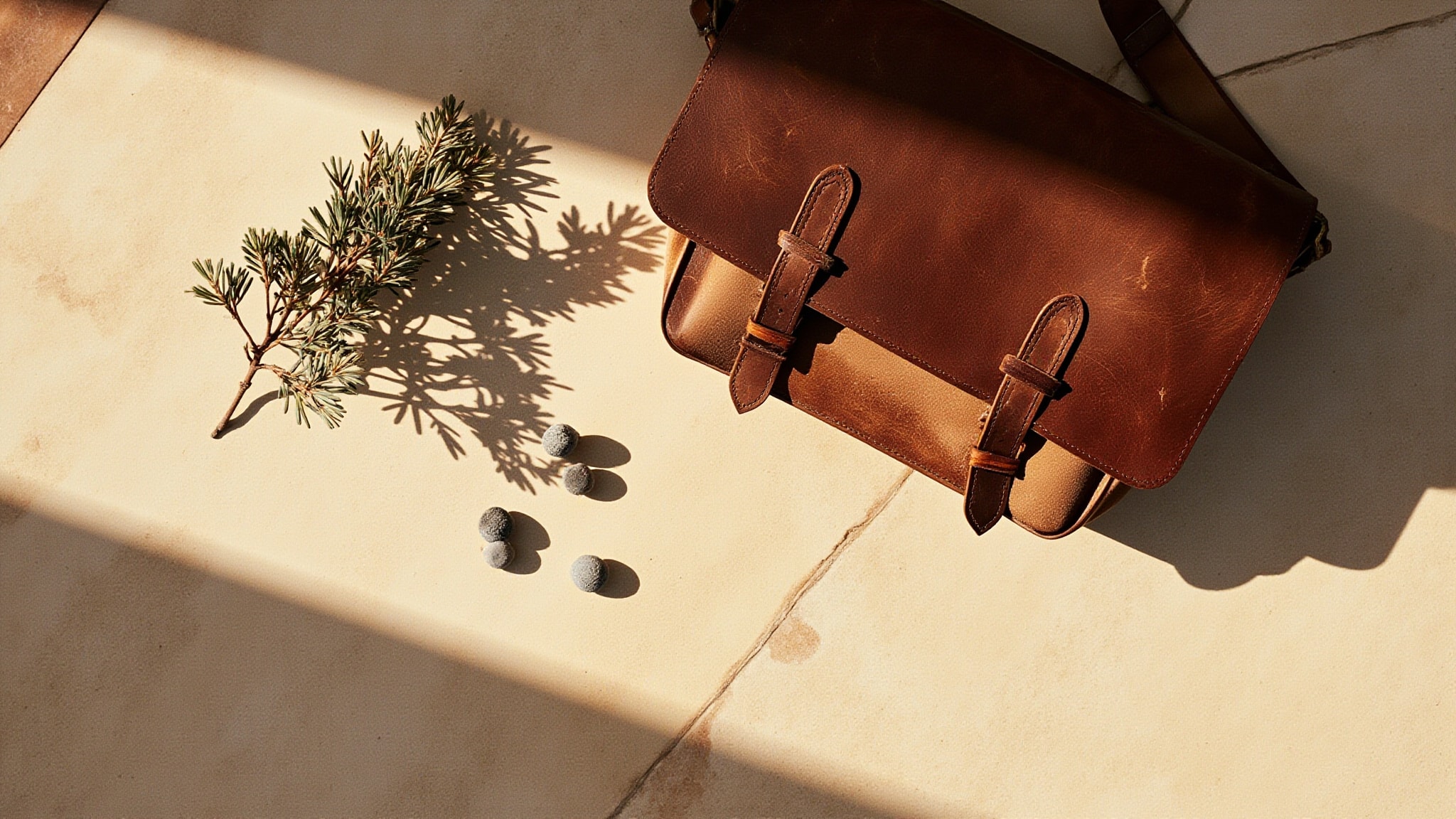
What makes this work is the tension between herbal and green. The basil doesn't behave, it cuts across the citrus rather than blending with it. Meanwhile, the pine needles in the heart aren't ornamental. They pull the fragrance deeper, past the brightness of the opening, into something earthier and more grounded. The carnation and caraway add a quiet spice that most modern fragrances have abandoned. It's a structured fougere, which means it follows a logic that many contemporary compositions have forgotten.
The evolution
The opening hits sharp, juniper berries and basil arrive together, lifted by lemon and bergamot. There's a brightness here that reads almost like gin, but the lavender smooths it before it gets too sharp. Thirty minutes in, the pine needles take over. The heart shifts from aromatic brightness to herbal depth. Clary sage and carnation add a warmth that keeps it from feeling too austere. By the second hour, the drydown arrives: cedar and oakmoss settle everything into place. The tonka bean adds a faint sweetness that lingers just beneath the surface. The longevity is solid, with the fragrance staying present throughout the wear.
Cultural impact
Pino Silvestre Original has quietly endured since 1955, not through reinvention, but through consistency. It's the fragrance a man reaches for when he wants something reliable, something that smells like it was made before perfumery became complicated. The classic fougere sits comfortably alongside other timeless masculine scents, holding its own through sheer staying power and the trust it has earned over decades of wear.