The Story
Why it exists.
The beginning
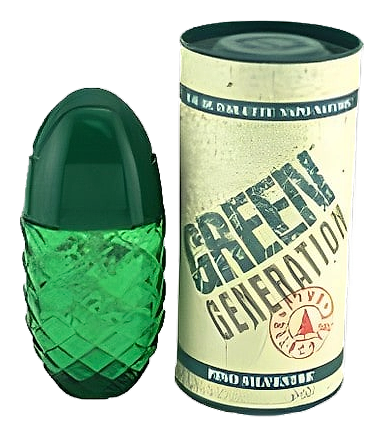
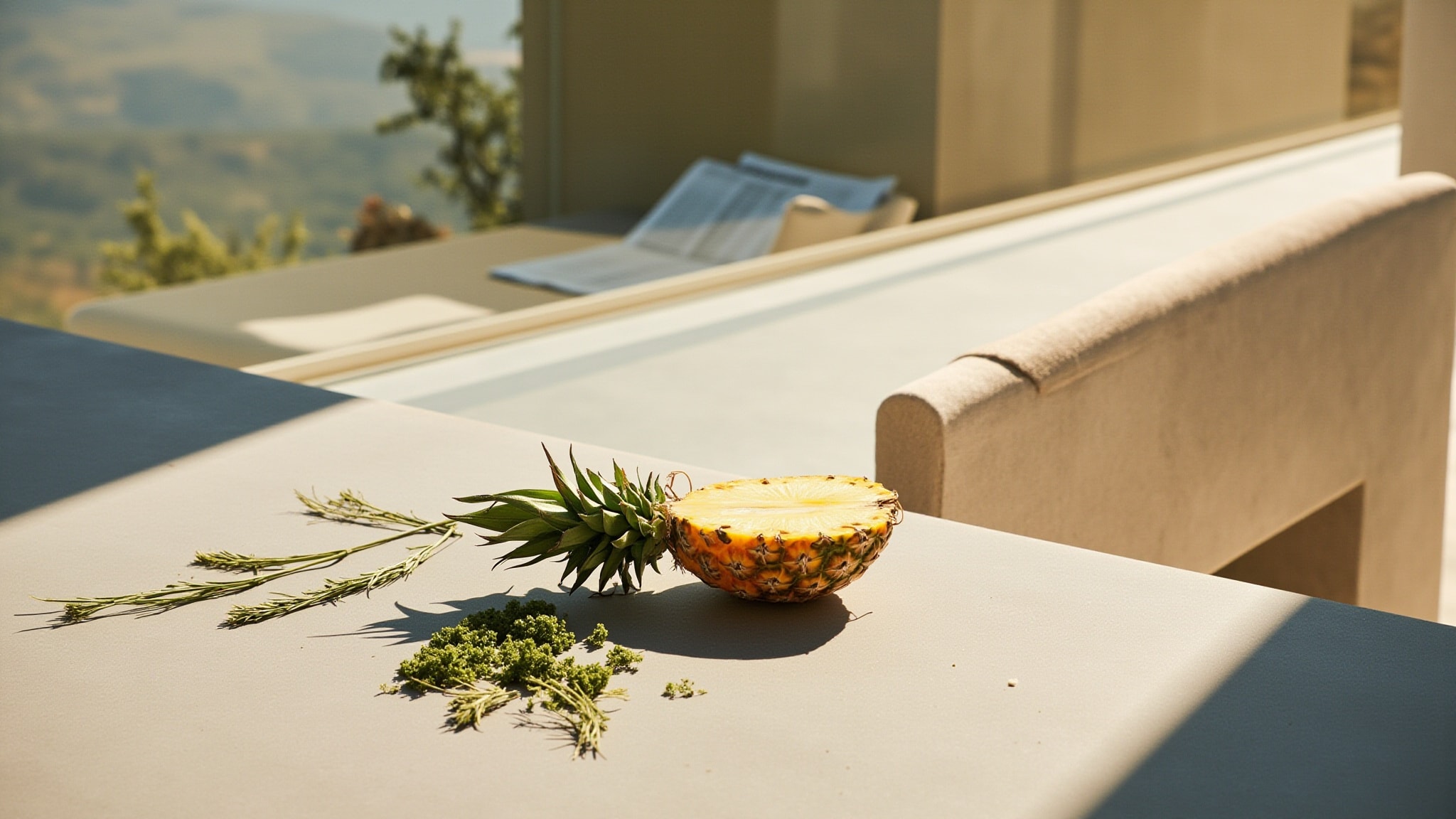
Green Generation opens a dialogue between heritage and something new. Crisp, green, rooted in the Mediterranean landscape. The brief wasn't to reinvent the wheel, but to ask: what does green smell like when you stop trying to shout? The answer lives in the tension between cool herbs and sun-warmed fruit. There's an interplay between the herbal notes that feel freshly crushed and the fruit that ripens under afternoon sun, creating something that feels both immediate and intimate. It's a fragrance that asks you to lean in rather than step back.
The structural choice that makes Green Generation unusual isn't any single ingredient, it's the decision to open with galbanum, artemisia, and mint before letting pineapple arrive like a flash of warmth. This one shifts. The heart brings blackcurrant and vetiver, then cedarwood anchors everything into something that smells like the forest floor rather than the canopy. Oakmoss and sandalwood finish the composition, but they don't resolve the green-fruity tension, they hold it, which is the real trick.
The evolution
The opening hits fast. Galbanum and artemisia arrive with that sharp, almost medicinal green, not harsh, but assertive. Mint and juniper cool it immediately. Then the pineapple. It arrives quietly, like someone entered the room without announcing themselves, and stays for the entire first hour. The blackcurrant appears in the heart, tart, slightly jammy, and the composition shifts from herbal to fruity without ever losing the green thread underneath. Cedarwood and vetiver build slowly, adding wood and earth. The drydown arrives with oakmoss doing what oakmoss does, grounding the entire structure while sandalwood adds a creaminess that softens the edges. It doesn't demand marathon performance, but delivers its hours quietly and well. There's a moment where the fruit and the earthiness find balance, neither dominating, and that equilibrium is where the fragrance lives most comfortably.
Cultural impact
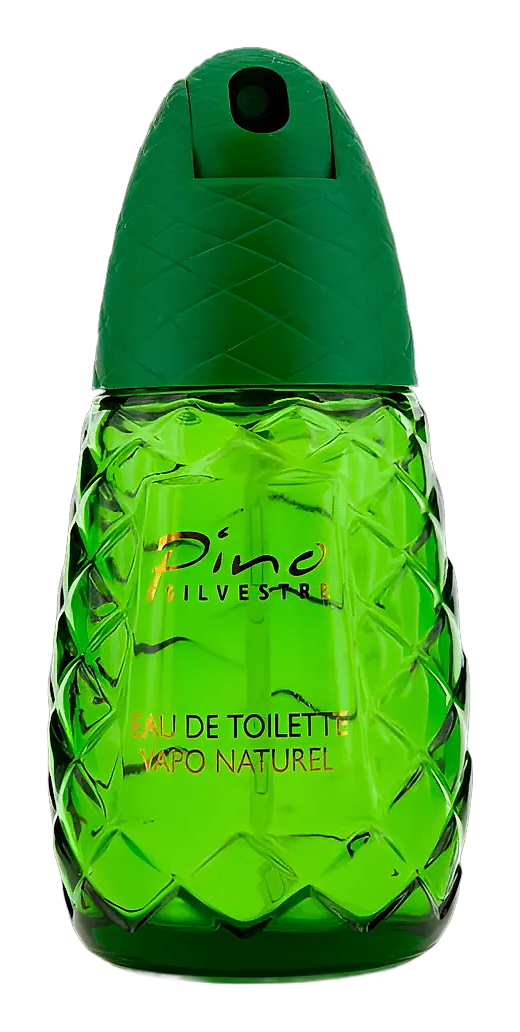
Green Generation positioned itself differently: less aquatic, more herbal, with that unexpected pineapple note that made it stand apart. It occupies a specific space in the Pino Silvestre lineage, not the classic pine dominance of the original, but an evolution that adds fruit without abandoning green. The aromatic-green category was well-established, but this fragrance carved out its own territory by balancing fruit and herbs in a way that felt fresh without straying from the green backbone that defined the house. The fragrance found its audience among those who wanted something aromatic but not aggressive, green but not generic.