The Story
Why it exists.
The beginning
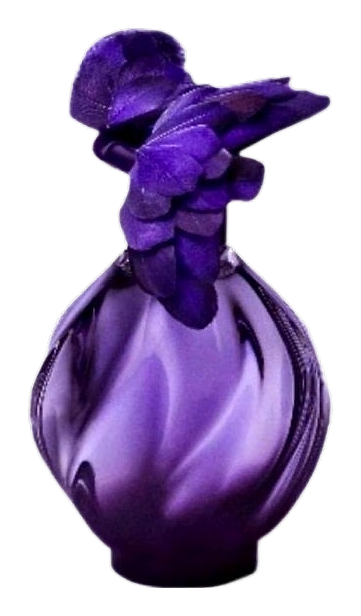
L'Air du Temps Nuit Pourpre arrived in 2017 as a limited-edition flanker within the L'Air du Temps line, distinguished by its nocturnal character and its explicit departure from the lighter, daytime reading of the classic. Calice Becker signed the composition, and the structure tells the story of that shift. Pourpre means purple in French, and the name signals the tonal change directly. Where the original L'Air du Temps is known for its airy, romantic florals, Nuit Pourpre swaps that airiness for depth, pulling the iris to the front and introducing leather where the classic relied on softer materials. The result is a denser, more shadowed version of a familiar structure.
What makes this composition interesting is the interplay between materials. The violet and jasmine at the opening set a sweet, floral tone that reads almost candied at first contact, before the pink pepper sharpens the entry and adds a clean, slightly metallic lift. As the minutes pass, the violet recedes and the iris climbs forward, carrying its characteristic coolness, the kind that smells like the inside of a vintage jewelry box. The iris here is paired with leather, a material almost never associated with the L'Air du Temps line, and the combination gives the heart its distinctive gravity.
The evolution
The first fifteen minutes read almost candied. Violet and jasmine carry sweetness, lifted by pink pepper into something that sits closer to a glass of cold fruit than to powder. There is a youthful edge to the opening that does not last. As the minutes pass, the violet recedes and the iris climbs forward, carrying its characteristic coolness, the kind that smells like the inside of a vintage jewelry box. Powder arrives quietly, settling into the composition like dust on a windowsill, present but never announced. Then leather, not suede-soft, not aggressive, more the dry crack of a leather glove left on a table, a material that gives the heart its quiet weight. By the second hour, the composition has settled into cedarwood and patchouli with styrax lending a faint resinous sweetness underneath.
Cultural impact
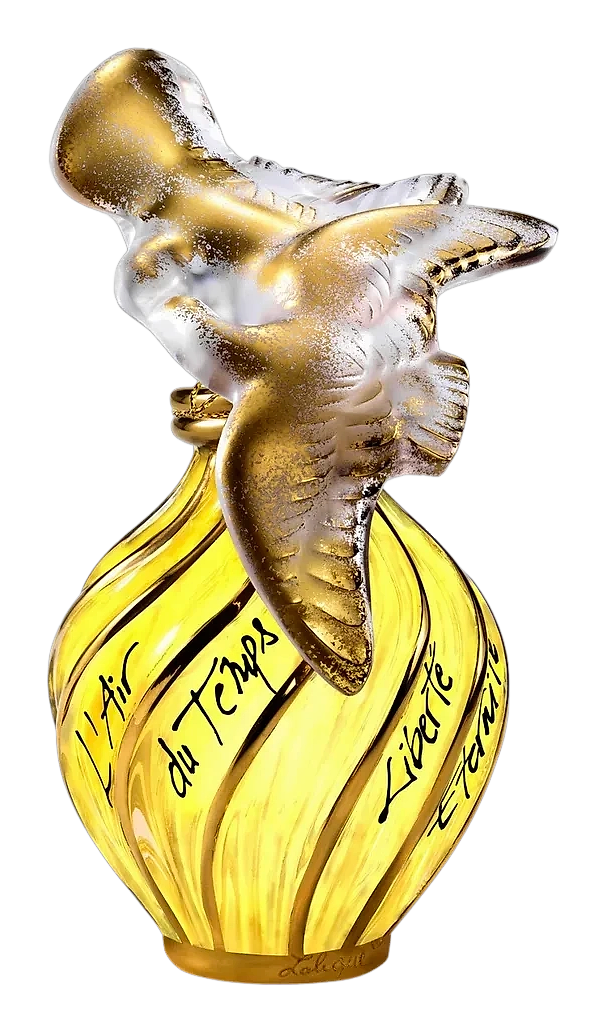
L'Air du Temps Nuit Pourpre exists under the long shadow of its 1948 namesake, and that inheritance shapes how it is read. The original L'Air du Temps is one of the most enduring florals in the fragrance canon, a reference point for powdery, romantic compositions, so any flanker that takes its name carries a particular responsibility. Nuit Pourpre answers that weight by leaning into the iris and leather at its heart, materials that give the composition a drier, more structured character than the airy florals typically associated with the line.
The House
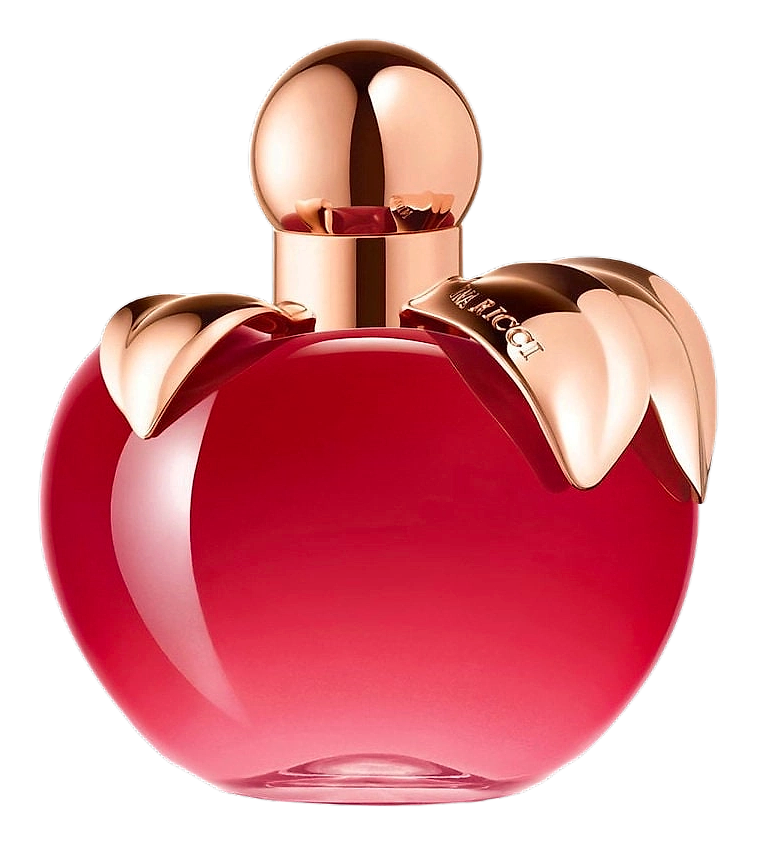
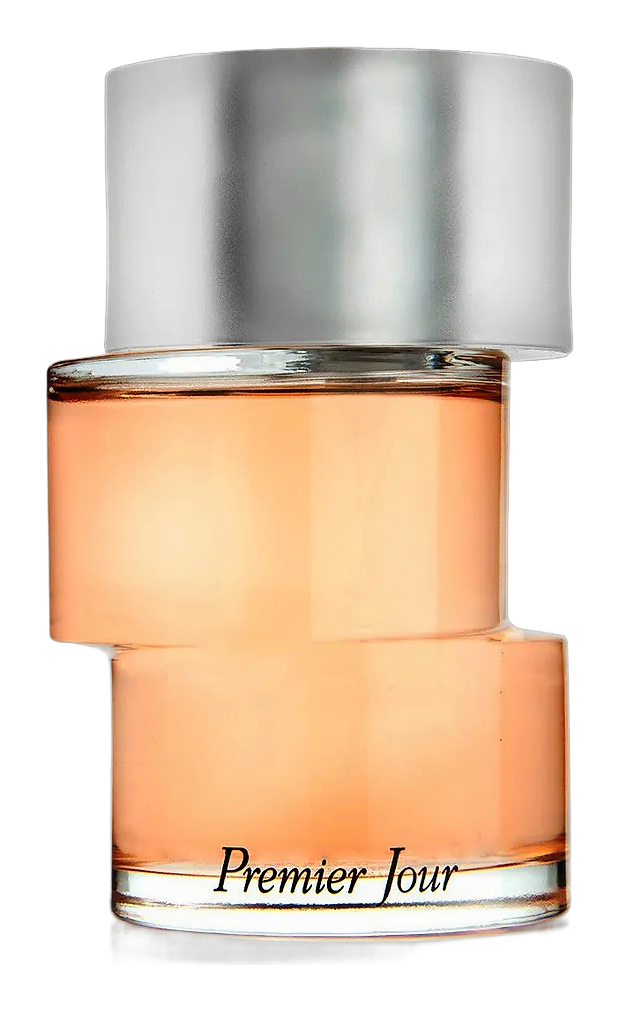
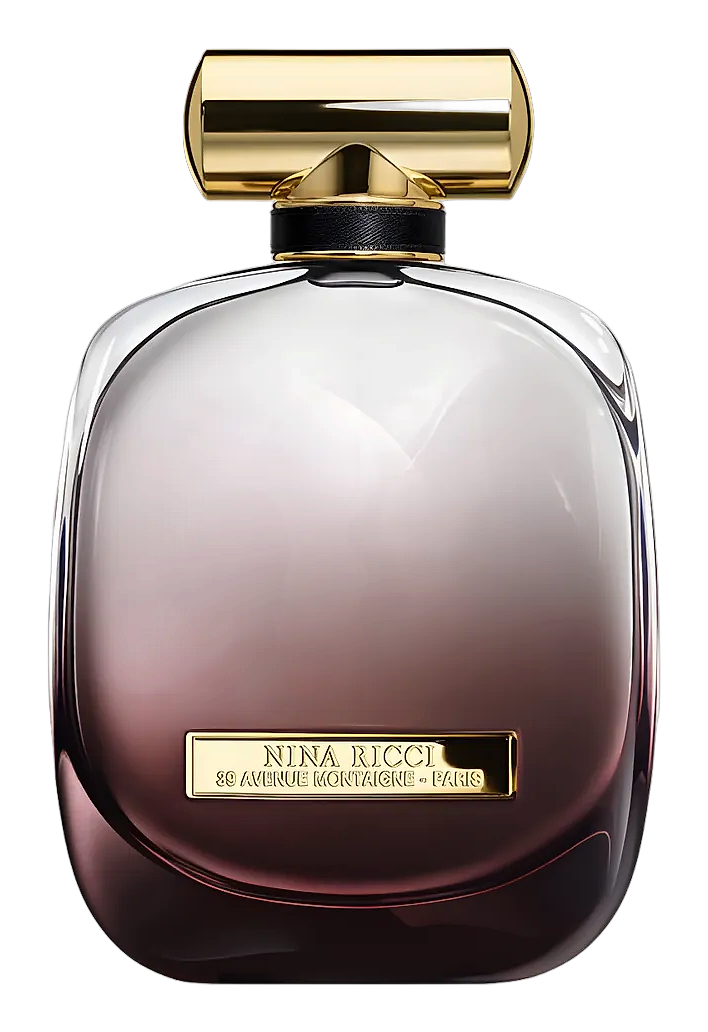
Nina RicciNina Ricci is a Parisian fashion house founded in 1932 by Italian-born designer Maria "Nina" Ricci and her son Robert Ricci. The house began as a couture salon on Rue Haussmann, quickly establishing a reputation for refined, feminine gowns with romantic sensibility. Robert established an in-house perfume division in 1941, though the first fragrance would not arrive until 1946. That inaugural scent, Coeur Joie, marked the beginning of a partnership with Lalique that would define the house's olfactory identity. The house introduced its most celebrated fragrance, L'Air du Temps, in 1948, a scent that remains in production decades later. Puig acquired Nina Ricci in 1998, bringing the house under the same ownership that manages Carolina Herrera and Jean Paul Gaultier. Today, the fragrance collection spans from timeless classics to contemporary offerings like the Nina line, maintaining the house's commitment to feminine elegance.
The Creator
Calice BeckerBecker's olfactive signature is marked by exceptional versatility combined with a distinctive feminine sensibility. She moves effortlessly between the sun-drenched radiance of Dior J'Adore and the contemplative tea notes of By Kilian Imperial Tea.