The Story
Why it exists.
The beginning
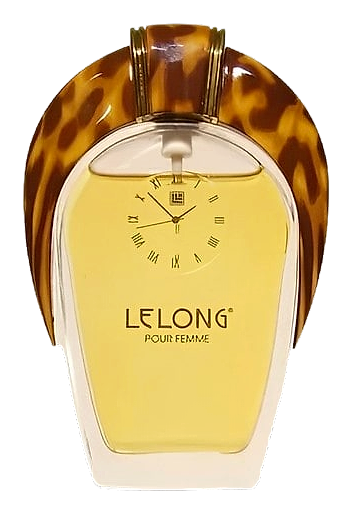
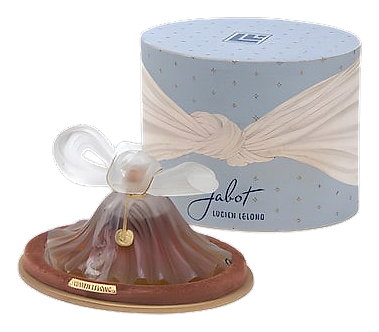
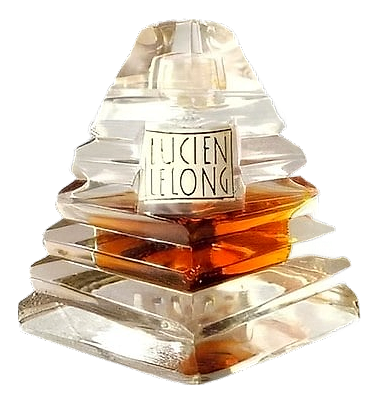
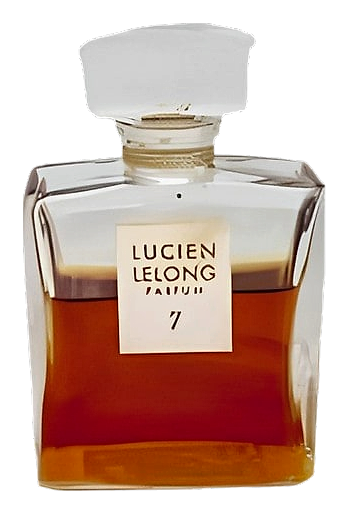
Lucien Lelong's house named its earliest fragrances by letters. A, B, C. No poetry, no romance, just a confident index of compositions. By 1950, the naming had loosened into numbers. 7 arrived as part of that numbered sequence, a post-war release from a couture house that had spent three decades learning how to bottle the woman who walked out of the fitting room and into the evening. The brand trusted the work to speak. The names were administrative. The scent was the argument.
Giving a fragrance a single digit as its name carries a particular kind of composure. It refuses to flatter, to romance, or to soften the categorical claim with seasonal poetry or a floral alias. There's something almost editorial in that choice, the conviction that a number can carry identity where a phrase would only dilute it. The houses that gesture this way tend to trust their buyer, trust the wearer to understand without guidance. It's a confidence that reads as quiet rather than loud, and it sets the fragrance apart from anything dressed in expectation.
The evolution
The first ten minutes belong to citrus, lemon and orange in a bright, almost bitter exchange with neroli. It reads clean, sunlit, almost ordinary. Then something shifts. The florals arrive, but they don't bloom the way you'd expect. They tighten. The composition leans woody and dry, a suede texture that wasn't announced in the opening, like the room got quieter and you noticed it. The drydown settles into that suede-chypre territory for hours, close to the skin, softening without losing shape. What survives is the wood and the warmth, a soft ambery shadow that anchors the composition as the hours pass. The accord between the suede and the chypre backbone holds its composure well into the wear, with the drydown gaining a kind of tactile depth that rewards return visits to the same patch of skin.
Cultural impact
7 sits within a particular kind of French perfumery, one that trusted composition over commentary. The fragrance doesn't perform. It doesn't announce. It rewards the wearer who approaches it slowly, who lets the drydown do its work rather than chasing first impressions. The restraint is the point. There's no packaging of myth or marketing theatrics wrapped around it, just a bottle, a numeral, and a scent that takes its time. That kind of patience feels increasingly rare in how fragrances are presented today, where every launch arrives draped in narrative and campaign imagery before you've even sprayed it.