
The Story
Why it exists.
The beginning
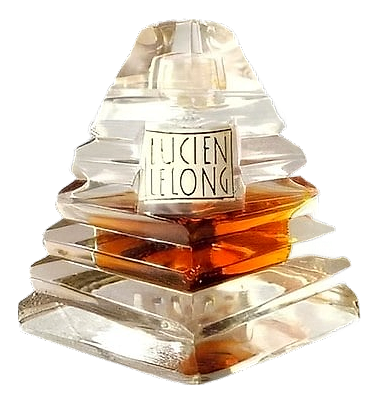
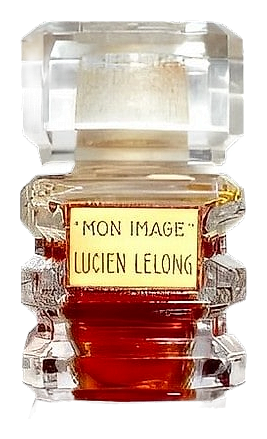
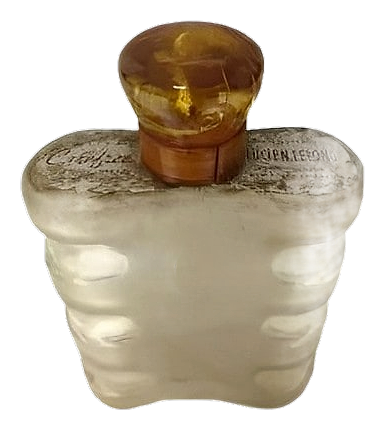
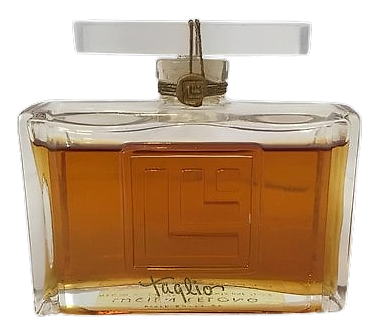
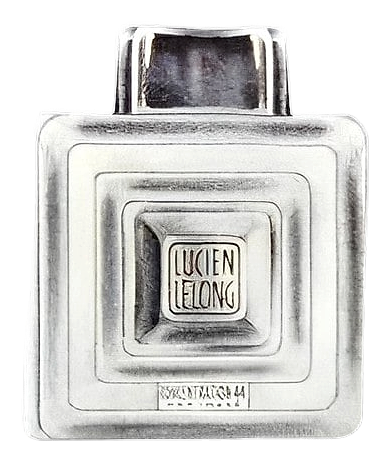
Concentration 44 arrived in 1930, a release from Lucien Lelong's perfume house that carried the couturier's sensibility into the world of scent. Lelong had been a fixture in Parisian fashion for years, and his move into fragrance reflected the same instinct that guided his work with cloth: an understanding that material, concentration, and form change how something is experienced. The name itself reads like a coordinate, a number attached to a moment of intent, the way a fabric might be catalogued by weight or weave. Concentration 44 holds its shape on the skin without overwhelming the wearer. It sits close, present but never declarative, the kind of parfum that accompanies rather than announces.
There is a deliberateness to the numbered naming, an impression that the fragrance was conceived less as a romantic gesture and more as a carefully catalogued piece within a larger body of work. The name suggests a moment of precision, a designer thinking in terms of position and proportion rather than sentiment. Composition details for Concentration 44 are scarce, which leaves the fragrance in a particular kind of historical shadow, known by reputation and by the small traces that survive in vintage collections and archival references.
The evolution
The opening arrives soft rather than declarative, a quiet lift that registers more as a change in the air around the wrist than as any specific identifiable note. The first moments feel luminous, clean, and almost impersonal, the way a well-made vintage parfum used to announce itself before any single ingredient stepped forward to claim attention. That initial brightness does not vanish so much as it gets absorbed, drawn into something denser and more continuous. Over the first hour, the composition shifts toward a softer register, powdery and slightly sweet, reading almost abstract on skin. The florals never separate from the whole. They move together, blending into a warm, musky impression that stays intimate rather than projecting outward, close to the body in a way that feels deliberate.
Cultural impact
Concentration 44 belongs to a small, overlooked corner of early 1930s perfumery, a release from a house better known for its couture work than for its scent. The fragrance was discontinued long ago and now survives mainly as a collector's reference point, one of those numbered releases that exist in the margins of perfume history, remembered by enthusiasts and encountered occasionally in vintage collections.