
The Story
Why it exists.
The beginning
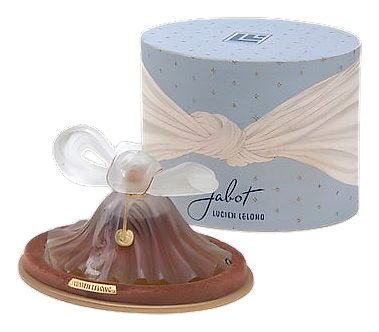
The name says everything. A jabot, that decorative ruffle adorning a high-collared blouse, the kind of detail that whispers before you speak. Lucien Lelong, the Parisian couturier who bridged haute couture and accessible luxury, understood the power of such deliberate elegance. His perfume house, established in 1924, had already proven that fashion's olfactory identity belonged alongside its wardrobe. Jabot, released in 1939, was another chapter in that vision: a fragrance named for a fashion detail, crafted to embody the same studied restraint and hidden complexity.
The composition leans into the chypre structure, citrus over oakmoss over warm resins, but Jabot adds a layer of spice that sets it apart. Carnation brings its characteristic clove-like warmth. Labdanum contributes a resinous, slightly animalic depth. Ylang-ylang adds creaminess. Together, they create something powdery and warm rather than sharp or green. The base follows with amber, benzoin, and styrax, balsamic sweetness that softens everything. Modern fragrances rarely achieve this kind of skin-close intimacy. Vintage compositions like this one understood that not every scent needs to announce itself from across the room.
The evolution
The opening arrives crisp: bergamot, lemon, neroli, and orange in measured procession. Bright, yes, but with a restraint that suggests preparation rather than enthusiasm. The citrus doesn't burst, it clears. Makes room. Within minutes, carnation enters. Not aggressively, but with the confidence of someone who knows they belong. Ylang-ylang follows, bringing its sweet, almost waxy quality. The transition is seamless, no gap, no overlap, just one phase hand-cuffed to the next. The heart deepens through labdanum's resinous warmth and the spices settle into something softer. Oakmoss emerges as the backbone, that essential chypre anchor. Cedar, vetiver, and patchouli add structure without sharpness. Six to eight hours later, the drydown reveals what remains: amber and benzoin warming close to the skin, musk that doesn't shout, the faint ghost of carnation still threading through. This is a fragrance that stays. Not by projecting, by refusing to leave.
Cultural impact
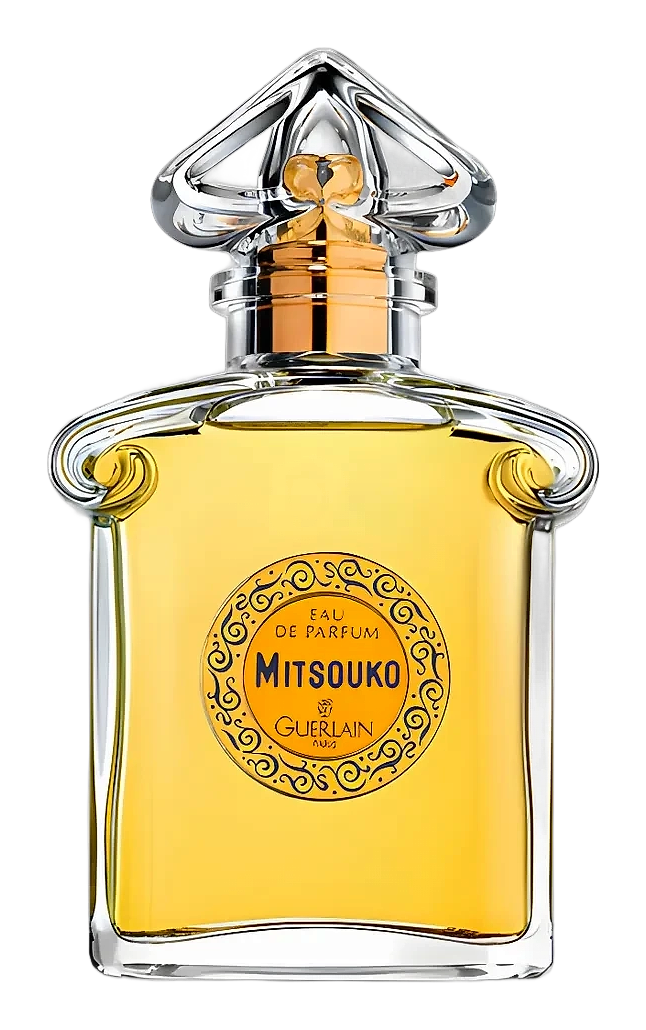
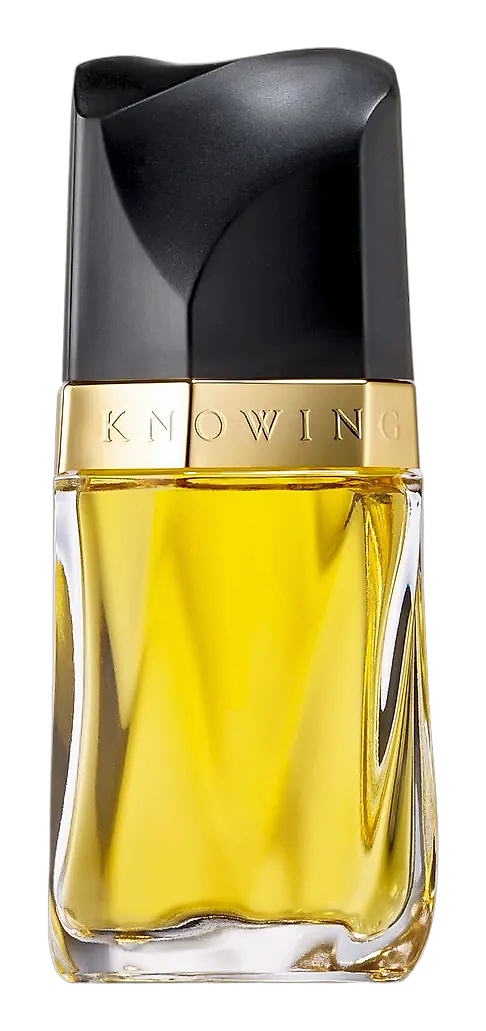
Jabot sits among a lineage of classic chypres from the interwar period, compositions like Bal à Versailles, Mitsouko, and Knowing that prioritize depth and longevity over projection. Where those fragrances remain available, Jabot disappeared from production, making it a collector's artifact as much as a scent. For those who seek it, the appeal is specificity: a warm, powdery, carnation-forward chypre that doesn't smell like anything currently in production. The scarcity is part of the story.