
The Story
Why it exists.
The beginning
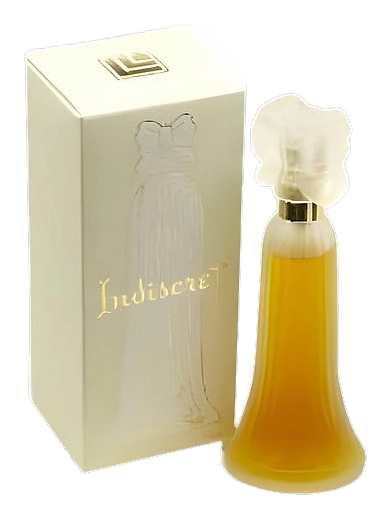
In 1936, perfumer Jean Carles created Indiscret for the house of Lucien Lelong. The fragrance arrived as a cologne concentration, a format that emphasized closeness over broadcast. Lelong's house had built its reputation on considered elegance, and Indiscret reflected that sensibility: a scent intended for the woman who valued subtlety over spectacle, presence over performance.
The composition centers on an unusually dense white floral heart, featuring iris powder, tuberose cream, and geranium's green-spicy lift among other materials. What makes it unusual is the cologne structure holding it all together: the citrus-green opening is sharp enough to cut through, but the concentration keeps everything close. It's an honest construction. Nothing is trying to be larger than it is.
The evolution
The opening hits green first, galbanum's bitter edge softened by bergamot and mandarin's sweetness. Then the florals arrive. The iris asserts itself, powdery and violet-sweet, while geranium keeps lifting the composition. The white florals don't overwhelm; they layer, quietly overwhelming. By hour three, the woody base arrives, warm, restrained, not quite a drydown so much as a settling. The fragrance holds close to the skin throughout its development, intimate from start to finish.
Cultural impact
Indiscret arrived with a cologne concentration that prioritized complexity and restraint over projection. The fragrance offered an intimate alternative to the theatrical scents of its era, using a format that allowed the wearer to reveal the scent rather than announce it.