
The Story
Why it exists.
The beginning
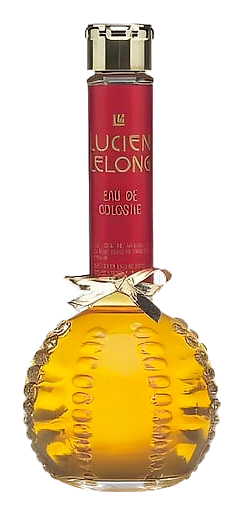
Tailspin arrived in 1940, designed by perfumer Jean Carles for Lucien Lelong. It was known as Passionnement in Europe, a name that suggests where the fragrance takes you. Carles built the composition around an unusual tension: gardenia, green notes, and aldehydes arriving cool and crisp, then warming into spices and white florals that deepen as they develop. The couturier's vision for accessible luxury translated into a fragrance bold enough to fill a room, refined enough to deserve the space. This was perfumery as an extension of the wardrobe, a scent that a woman chose the way she chose a necklace, with intention and full awareness of what it said when she entered.
Carles made an unusual choice here: green notes and gardenia as foundation, not accent. Most 1940s compositions treated white florals as supporting players beneath heavier chypres and orientals. Tailspin puts them front and center, then builds spice and tobacco around the structure to keep it from floating away entirely. The aldehydes amplify the gardenia's lushness rather than softening it, a counterpoint that makes both materials more interesting than they would be alone. The spice notes (cinnamon, cloves) arrive mid-development and stay, grounding the composition in warmth rather than letting it remain purely precious.
The evolution
The aldehydes hit first, bright, waxy, lifting everything that follows into clarity. Then gardenia arrives, lush and almost dizzying in its fullness. This opening doesn't whisper. It announces. The green notes (hyacinth, galbanum) provide an herbal counterpoint that keeps the gardenia from becoming cloying, and the citrus gives it sparkle. As the heart develops, the Bulgarian rose emerges beneath the gardenia, adding warmth to what could have been purely heady. Carnation weaves through with its spicy bite. The lily of the valley appears briefly, a flicker of freshness before the composition shifts again. Then comes the drydown: tobacco first, then oakmoss, then ambergris, animalic and earthy, the smell of something that has weight and presence. Musk and sandalwood settle underneath. The gardenia never fully disappears. It lingers, ghostlike, beneath the tobacco and oakmoss, a reminder of where the fragrance began. The entire development takes roughly 6-8 hours on most skin, with the drydown lasting the longest.
Cultural impact
Tailspin endures as an example of what 1940s perfumery could achieve when couturier and perfumer collaborated with shared intention. Jean Carles designed the fragrance with a specific vision, a composition that would command presence through its architecture rather than volume alone. The aldehydic white floral structure influenced a generation of perfumers who followed, even as the style itself fell out of fashion. What remains distinctive is the confidence embedded in the composition: this was made for a woman who wanted to be noticed, and the fragrance obliged.