




Heritage
A house, in its own words
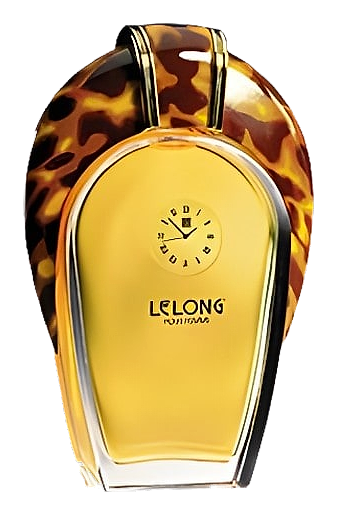
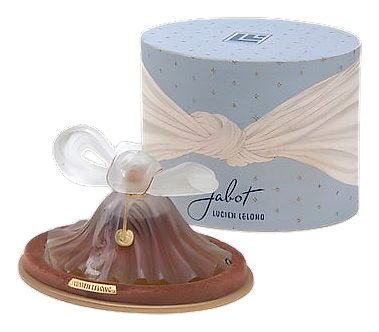
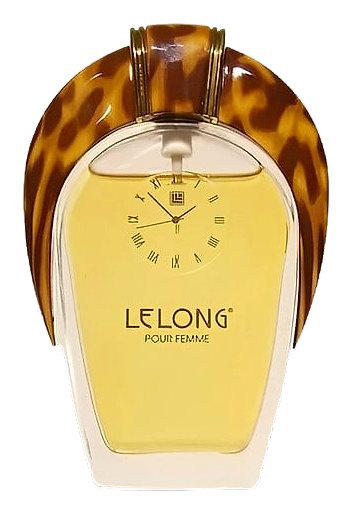
Lucien Lelong was born in Paris on October 11, 1889, and received formal business education at the Hautes Études Commerciales before entering the world of fashion. He opened his first couture house in 1919, establishing himself among the prominent French designers of the interwar period. The year 1924 marked a significant expansion when Lelong established La Société des Parfums Lucien Lelong, recognizing that fragrance represented both an artistic extension of his design work and a commercially viable enterprise. He partnered with perfumer Jean Carles, who created three foundational fragrances simply designated by letters: A, B, and C. This minimalist naming strategy was unusual for the era and suggested a confidence in the compositions themselves rather than marketing language. By 1928, Lelong had opened a Chicago branch, demonstrating aggressive international expansion at a time when most French couture remained Paris-centric. The company also established a New York division during this period, creating a transatlantic presence that few contemporary fragrance houses could match. Lelong's couture clients included distinguished women seeking fashion-forward designs, and his Russian-inspired collections during the late 1930s influenced the aesthetic direction of his fragrances. When Lelong retired in 1948 and his couture house closed in 1949, the perfume business continued independently, demonstrating that the fragrance division had achieved its own commercial viability beyond the fashion label. The house maintained production into the late twentieth century, with notable releases including Lelong Pour Femme and Lelong in 1999, bookending nearly eight decades of continuous production. Lelong approached fragrance as a natural companion to his couture work, believing that a woman should carry her olfactory identity alongside her wardrobe choices. His business philosophy reportedly drew inspiration from American commercial practices, which emphasized wider distribution and accessible pricing compared to the exclusivity-focused model of traditional French luxury. This pragmatic approach allowed Lelong to position his fragrances in both high-end department stores and pharmacies, reaching clients who aspired to the Lelong aesthetic without requiring couture purchases. The decision to create three fragrances designated simply as A, B, and C reflected a confidence in composition over marketing, allowing the wearer to select based on personal preference rather than prescribed personality types or occasions. Lelong's fragrance program also served his couture business by creating scent memories associated with his designs, an early example of what modern marketers call sensory branding. The house prioritized approachability and wearability, avoiding the avant-garde extremes that characterized some contemporary avant-parfumerie experiments. This philosophy of accessible sophistication defined Lelong's fragrance output across multiple decades, appealing to women who wanted French luxury without pretension.