The Story
Why it exists.
The beginning
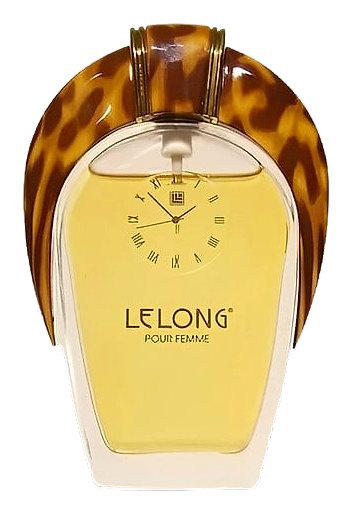
Lelong arrived in 1999, late for a house founded in 1924 but right on time for a fragrance market that was beginning to reconsider classic French compositions. Where other fashion houses had sold names and logos for decades, Lucien Lelong's fragrance line represented something more measured. The brief was simple: a white floral with enough complexity to reward attention. Not a statement fragrance. Not a safe one. Something that would sit quietly on a shelf and pull people back for a second look. The approach to composition valued balance over spectacle. By 1999, that philosophy had settled into something more confident. The opening arrives fresh, almost dewy, before the white florals unfurl into something warmer and more enveloping.
The choice to include both Purple Cattleya Orchid and Sharry Baby Orchid in the heart is unusual enough to deserve attention. Cattleya orchids are named for William Cattley, the English botanist who first cultivated them in the 19th century, blooms that don't appear in many fragrance pyramids. Sharry Baby specifically carries a reputation for a light, sweet-honey scent in its natural form, which translates here as a gentle sweetness woven through the heavier white florals rather than a dominant note. What results is a heart that reads as a single impression, dense, warm, floral.
The evolution
The opening arrives quickly: bergamot, mandarin, the bright green of lilac and magnolia. Less than two minutes and the florals are already climbing over the citrus, not waiting for permission. The Kadota fig adds a subtle green-stem quality that prevents the top from reading as purely clean. The heart takes over within ten minutes. This is where Lelong earns its reputation. Tuberose, jasmine, ylang-ylang, the white florals arrive in force, layered thick enough that you can't quite separate them into individual notes. The orchid notes are the tell: they add a creamy sweetness that reads as honey without declaring itself as honey. The indolic quality is present but controlled, the tuberose smells animalic without being raunchy, sweet without being cloying. If you've ever been pulled in by a white floral that felt like it was breathing, this is that sensation. The drydown arrives somewhere around the four-hour mark. The florals don't disappear, they exhaust, slowly, the way a conversation winds down rather than ends.
Cultural impact
Lelong occupies an unusual position in contemporary perfumery, a classic French house with couture roots that never became a mass-market licensing operation. The 1999 release offered something with real botanical complexity: orchid and tuberose layering that reads as unusual without being alienating. The composition rewards familiarity rather than announcing itself on first encounter. There is a quiet confidence to how it develops on skin, unfolding gradually rather than making an immediate impression.