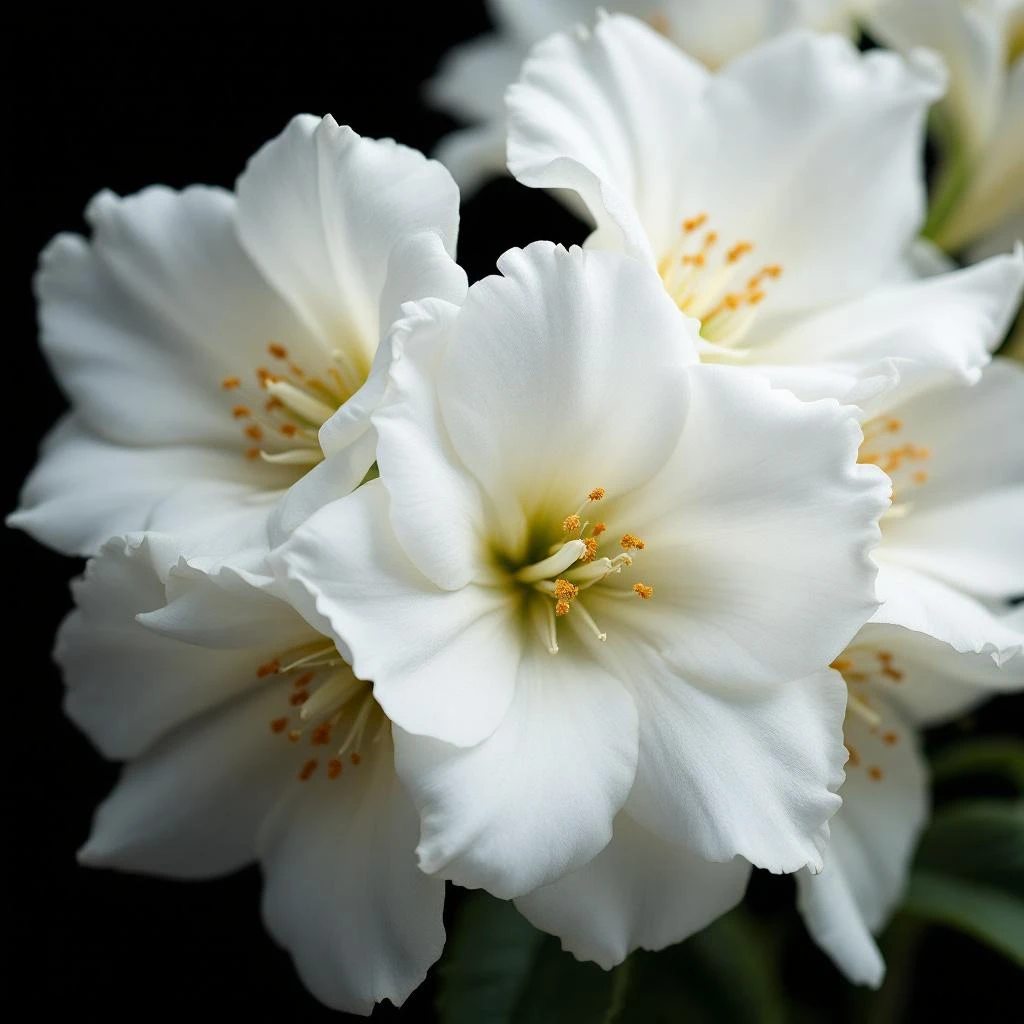
Purple Cattleya Orchid
Native to tropical Americas, Cattleya orchids release their most potent fragrance at dusk, a strategic pollination mechanism. French perfumers pioneered their use in the early 20th century, finding surprising commercial value in these showy blooms.
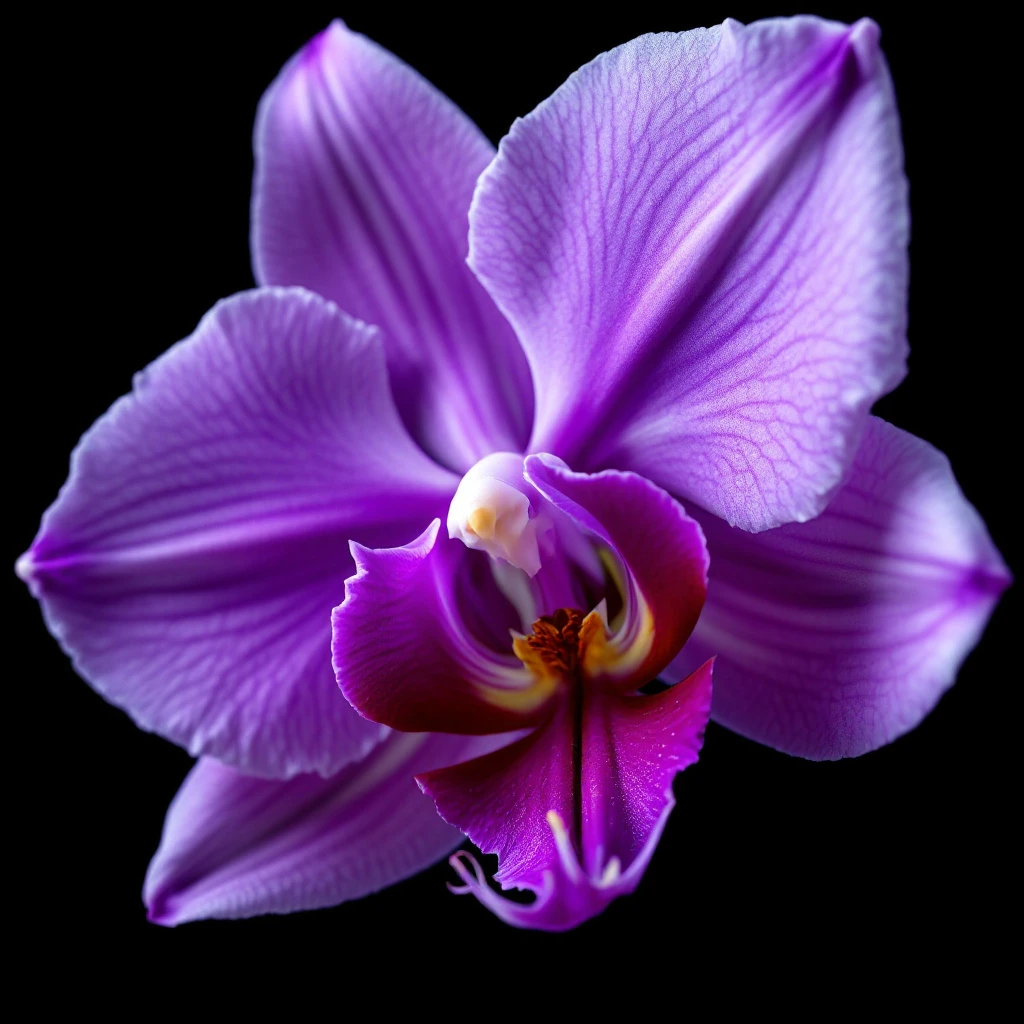
Character
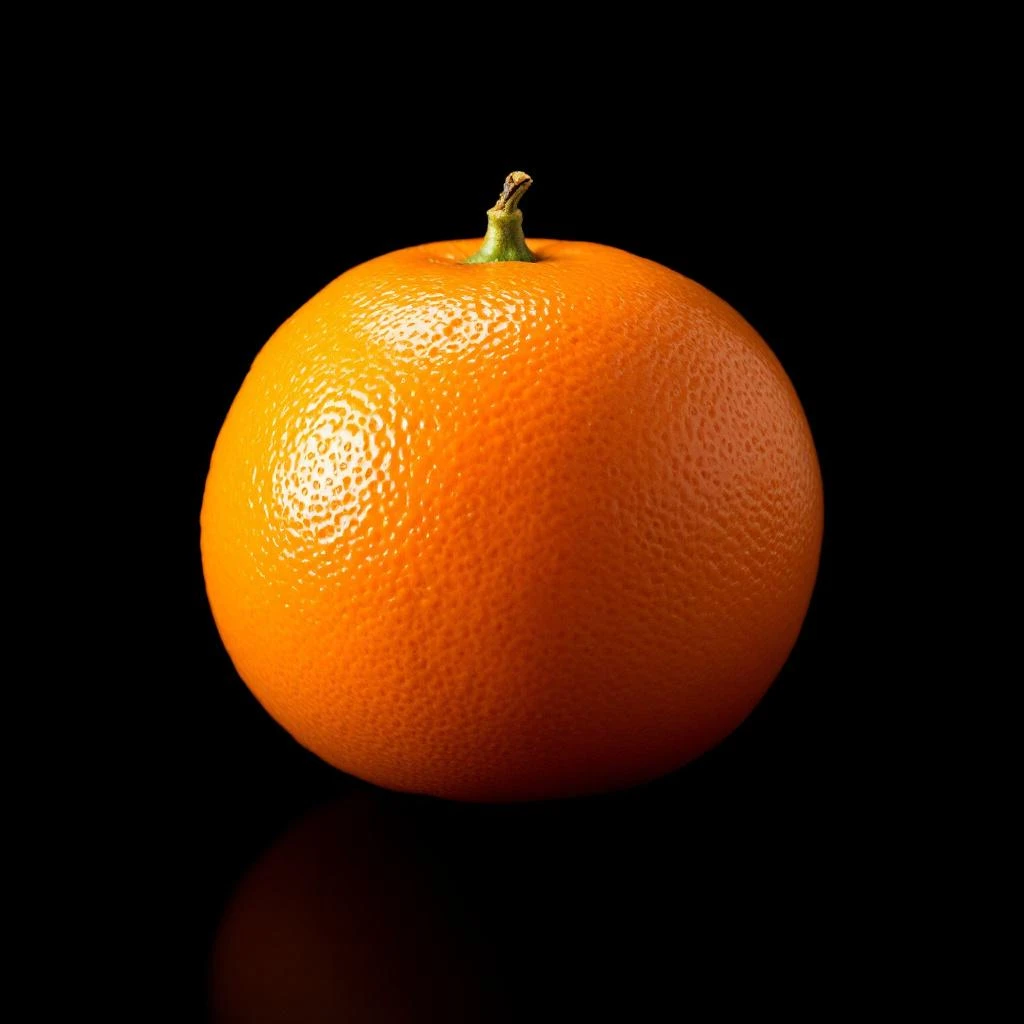
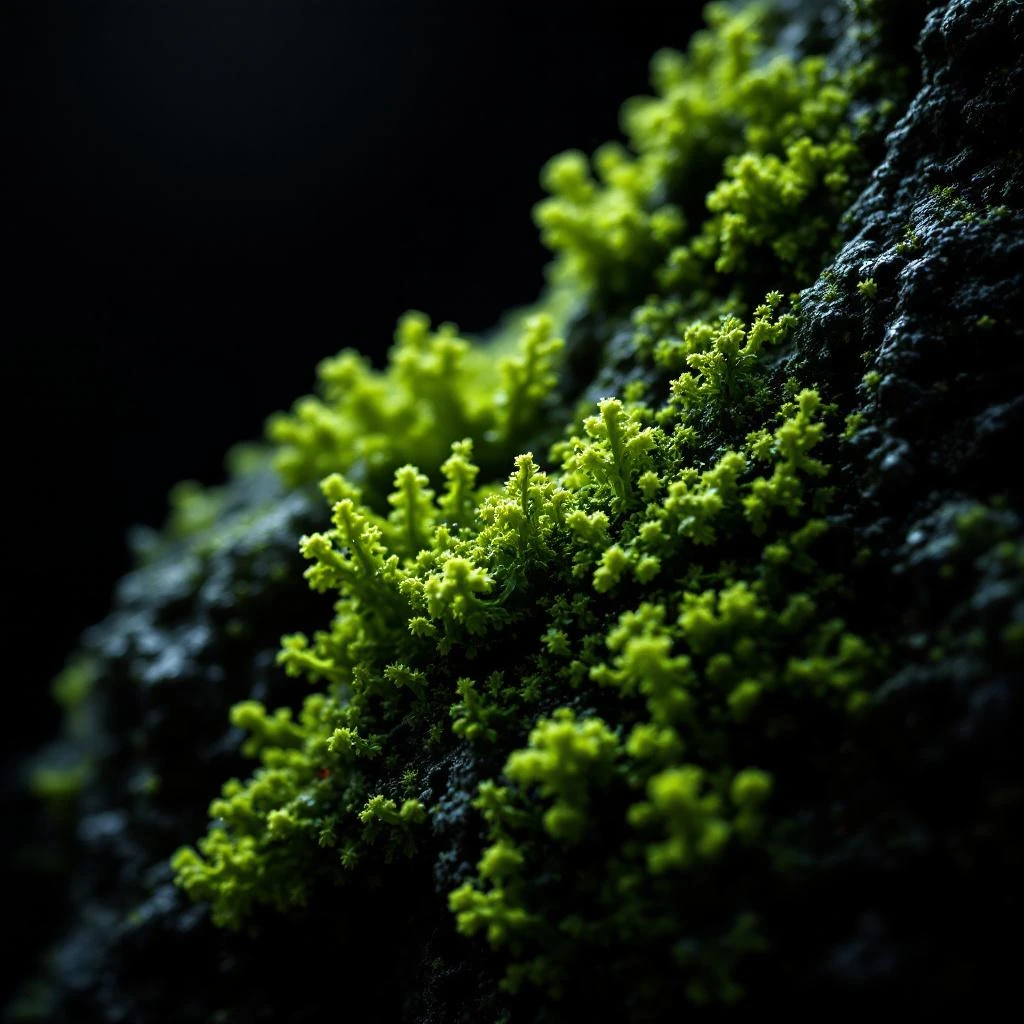
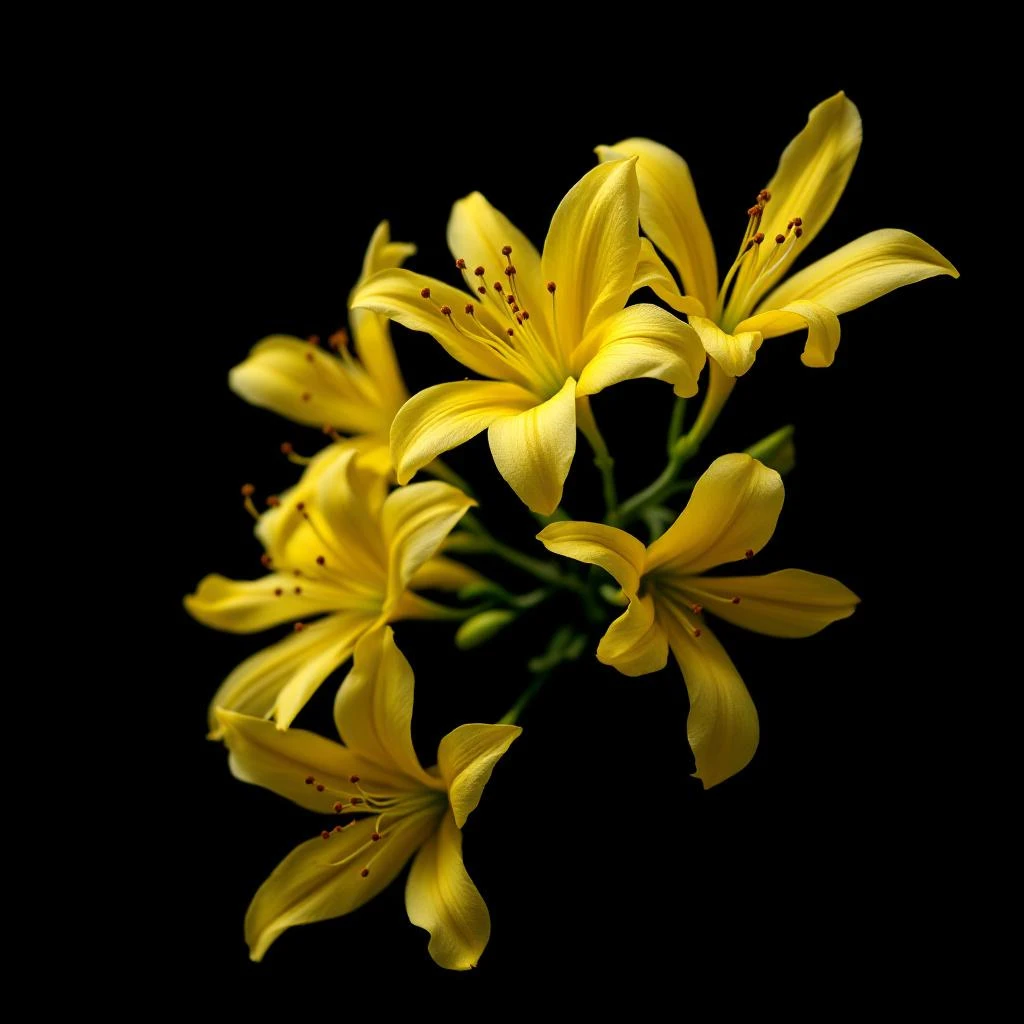
How it smells
Tropical elegance, dusk-released scent.
Orchids evolved fruity-floral signatures millions of years before perfumery existed, making this note a truly ancient innovation.




Origin
Venezuela
The French fragrance industry first recognized Cattleya orchids as commercially viable ingredients by the early 20th century. French perfumers sourced species including Cattleya bowringiana and Cattleya mossiae for study and experimentation, drawn by the blooms' intense, complex scent profiles.
The genus itself emerged into Western botanical awareness in 1818 when William Cattley, an English plant enthusiast, successfully cultivated an unfamiliar flowering specimen sent from Brazil. The botanist John Lindley later named the entire genus in Cattley's honor.
While Cattleya orchids grow natively across Central and South America, from Venezuela's cloud forests to Brazil's Atlantic coast, the purple-flowered varieties have held particular appeal for collectors and perfumers alike. The genus predates human perfumery by millions of years, having evolved its fruity-floral scent signatures as a pollination strategy long before anyone thought to bottle them.
Wears it best
Fragrances featuring Purple Cattleya Orchid


Brands
Brands known for Purple Cattleya Orchid
Good to know
Questions, answered
The essentials on Purple Cattleya Orchid in perfumery: how it smells, where it comes from, and how it behaves on skin.
What does Purple Cattleya Orchid smell like?
Purple Cattleya Orchid offers creamy, exotic floralcy with fruity undertones. Notes range from light and clean to heady and vanillic depending on the specific species and growing conditions.
Is natural Cattleya orchid extract used in perfumes?
Natural orchid absolute is extraordinarily rare. The blooms yield minimal aromatic material, making commercial natural extraction impractical. Most fragrances featuring orchid notes use synthetic aromachemicals.
Where do Cattleya orchids grow naturally?
Cattleya orchids are native to tropical regions of Central and South America. Venezuela, Brazil, and Colombia host the richest diversity of species in their cloud forests and coastal mountains.
Why do Cattleya orchids release fragrance at night?
These orchids evolved to release scent at dusk to attract nocturnal pollinators. Their signature fruity-floral fragrance serves as a biological beacon in the darkness.
When did perfumers start using Cattleya orchids?
French fragrance houses discovered Cattleya's commercial potential in the early 20th century, testing species like bowringiana and mossiae for inclusion in fine fragrances.
What challenges exist in using orchid fragrance materials?
Individual orchid plants vary widely in fragrance intensity, and the delicate blooms produce only trace aromatic compounds. This unpredictability drove the development of reliable synthetic alternatives.
Are different Cattleya species similar in scent?
Cattleya species display considerable scent variation. Some release light, clean floral notes while others offer rich, vanilla-like depth. No two species smell identical.
What family of aromachemicals recreates orchid scent?
Synthetic orchid materials typically combine gamma-decalactone for fruity facets with various floral synthetic compounds to achieve the characteristic creamy, exotic character of Cattleya blooms.



