The Story
Why it exists.
The beginning
In 1999, Lucien Lelong released Pour Femme as a declaration that the house still had something to say. The brand had spent decades bridging haute couture's rarified world and accessible luxury, a couturier who understood that fragrance was wardrobe, not afterthought. Pour Femme arrived with the clock motif running through its packaging: a reminder that anytime you wear it, something special is bound to happen. The 1999 launch celebrated every beautiful moment in the full and passionate life of today's woman, not a fantasy version of her, but the one who lives it.
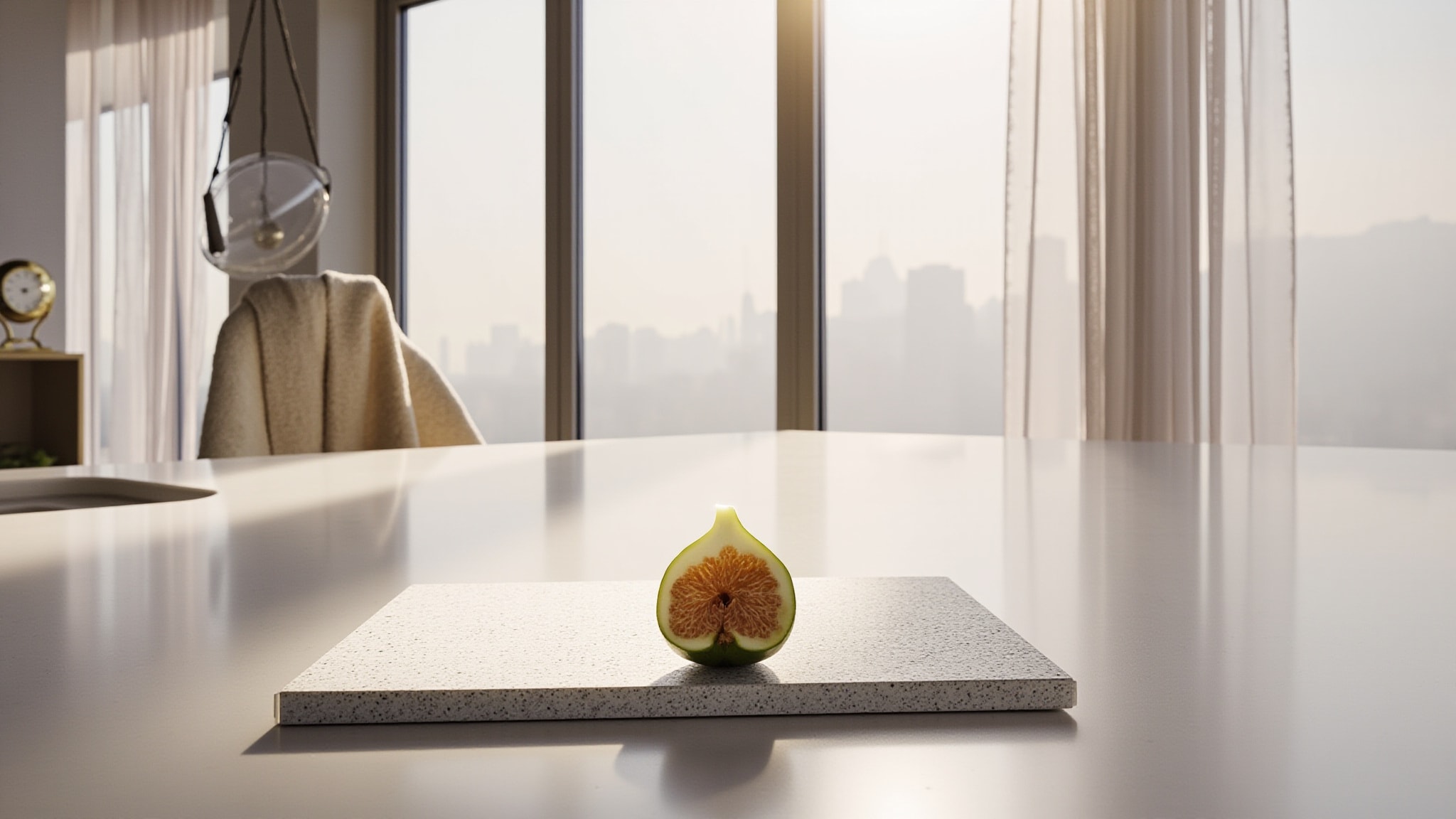
The note structure is what makes this interesting. Most florals open bright and then flatten. Pour Femme opens with a peculiar tension: lilac and magnolia are soft, but Kadota fig brings a green, almost vegetable edge that keeps the top register from going saccharine. Then the orchid heart, purple cattleya and white cattleya alongside sharry baby orchid, layers in a way that feels botanical rather than linear. The May rose and jasmine are present but not dominant. What you're left with is a white floral that smells like a garden, not a perfume bottle.
The evolution
The opening announces itself with citrus brightness, mandarin and bergamot cutting through the lilac and magnolia like light through curtains. Thirty minutes in, the fig note emerges, green and slightly tart, tempering the florals before they can become too soft. The heart phase belongs to the orchids and tuberose, a creamy, almost waxy floral presence that doesn't apologize for its fullness. This is where Pour Femme earns its age. The drydown settles into oakmoss and vetiver, earthy and dry, with sandalwood adding a creamy underside that keeps the whole thing from going austere. Eight to ten hours later, on fabric, you can still find the sandalwood and musk. On skin, it fades closer to the eight-hour mark. The next morning, there's a faint vetiver-and-musk warmth that suggests the fragrance never fully left.
Cultural impact
Pour Femme arrived in 1999 as a counterpoint to the fruity-floral excess of the era, a floral-chypre that trusted its wearer to appreciate oakmoss and orchid over mango and coconut. The reception among those who found it was enthusiastic: wearers described it as the fragrance of someone who walks into a room and doesn't need to announce themselves. The bottle, signed by Marc Rosen, added architectural elegance without ostentation. What makes Pour Femme notable isn't market disruption, it's the quiet confidence of a 1999 release that refuses to chase trends.