Kadota Fig
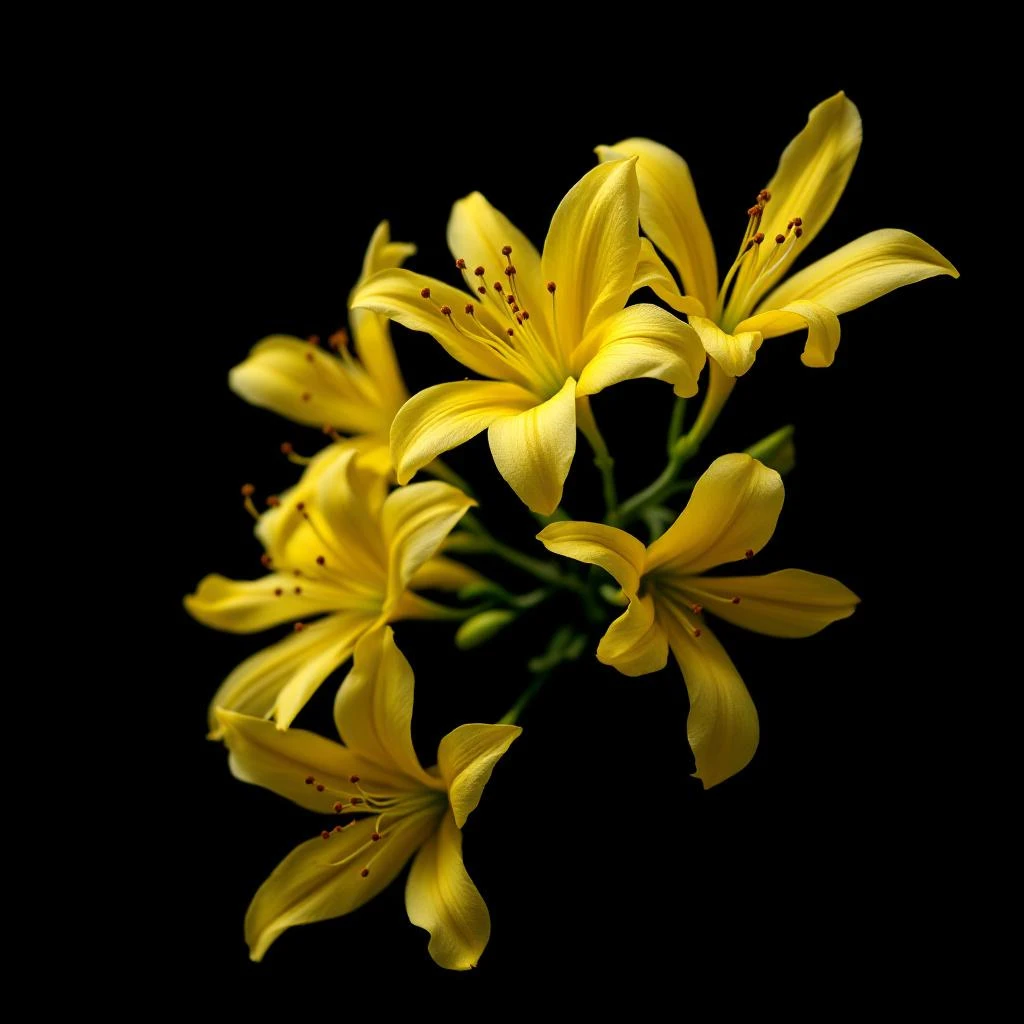
The green, milky soul of the fig tree captured in a bottle. Kadota Fig brings together crushed leaves, sun-warmed bark, and the subtle sweetness of ripe fruit into one of perfumery's most celebrated green accords.
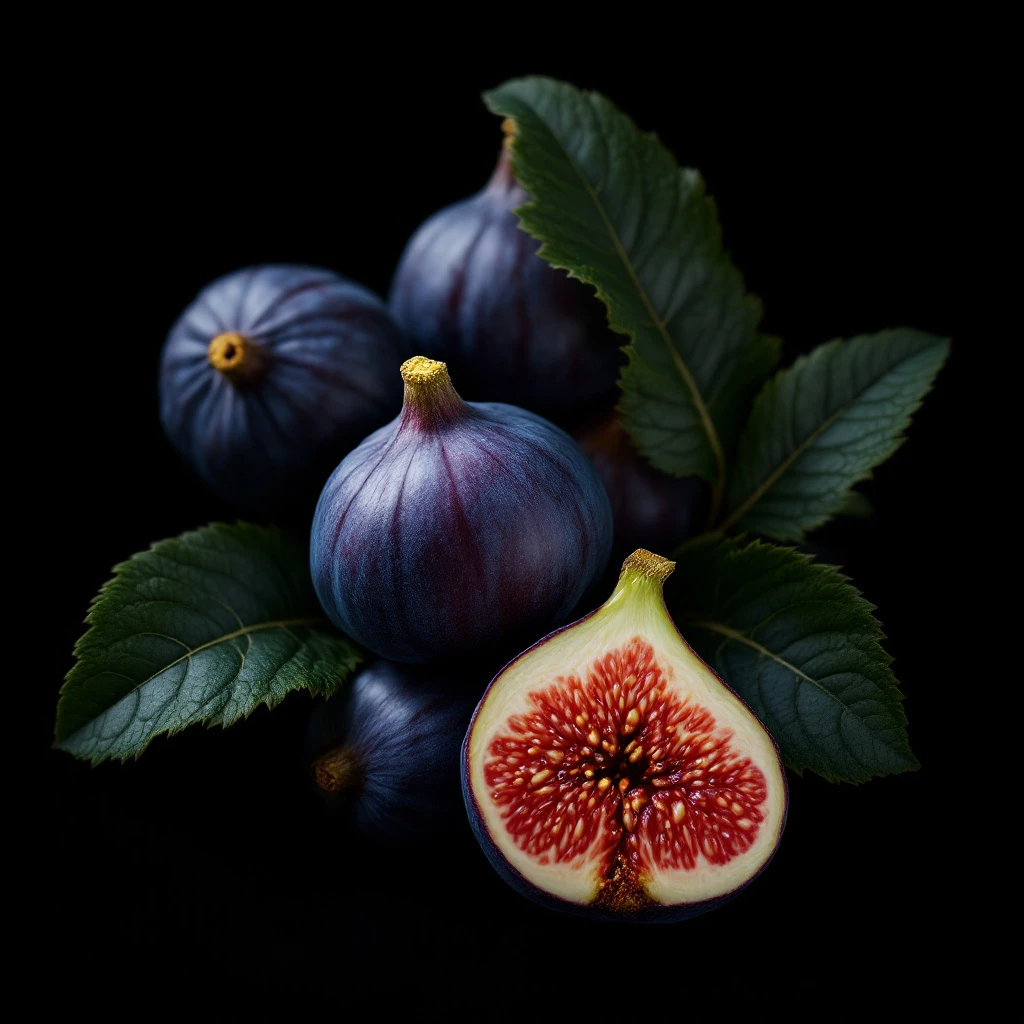
Character
How it smells
Green, milky, and utterly Mediterranean.
The fig fruit itself produces no extractable aroma, so perfumers build the entire note from leaves, wood, and sap.



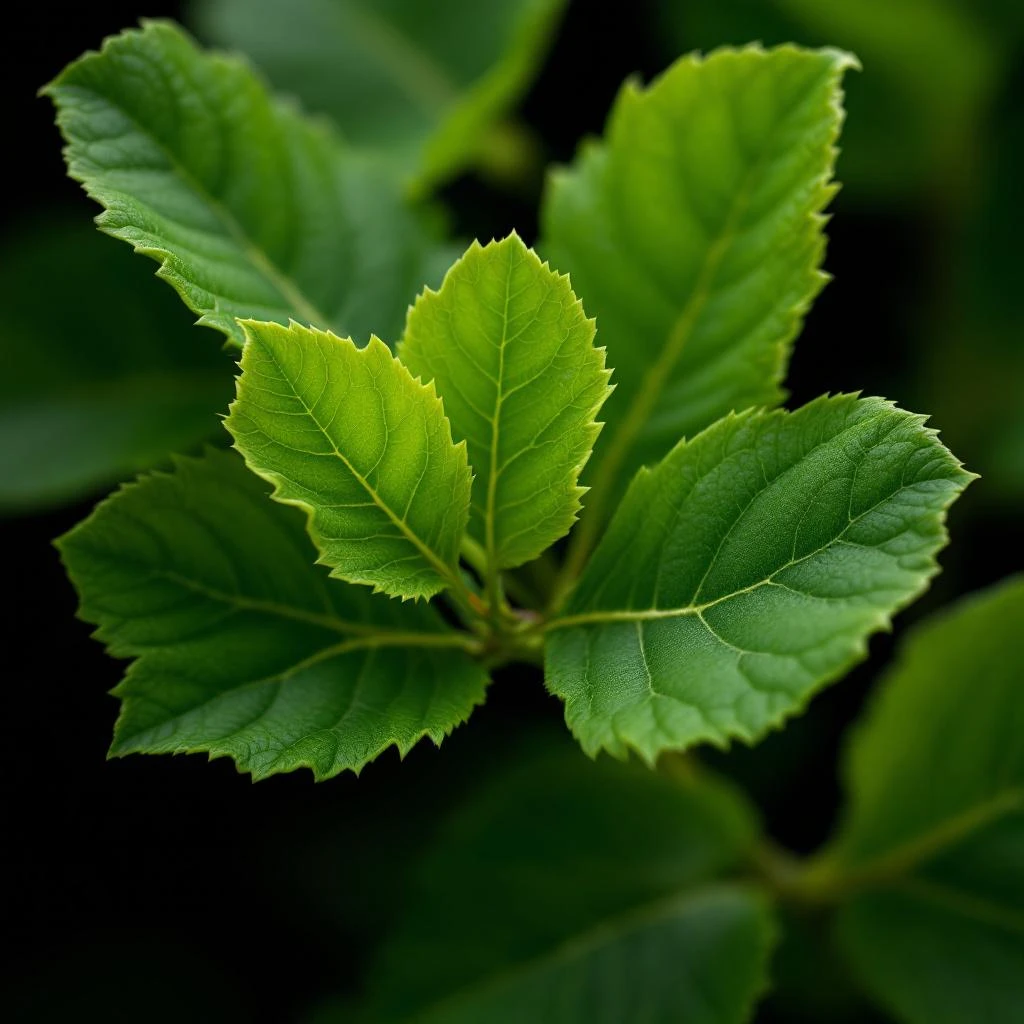


Origin
United States
The fig tree holds one of humanity's oldest relationships with a fragrance plant, cultivated for over 5,000 years in the Mediterranean basin. The Kadota variety specifically emerged in California in the early twentieth century, named for a community in the Central Valley where it became a commercial favorite.
In perfumery, the fig note remained largely unexplored until 1994, when perfumer Olivia Giacobetti created Premier Figuier for L'Artisan Parfumeur. This fragrance shattered convention by building an entire composition around the fig tree's green, milky presence rather than using fig as a background note.
The creation sparked a wave of fig-forward fragrances that continues to influence the industry today. The Kadota variety, known for its sweet fruit and vigorous growth, became a reference point for fig accords in perfumery, representing the Mediterranean heritage of a tree that has shaped both cuisine and fragrance for millennia.
Wears it best
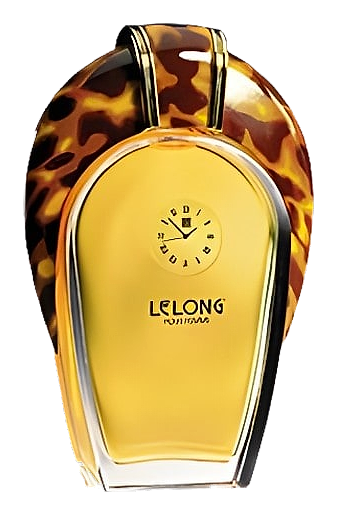
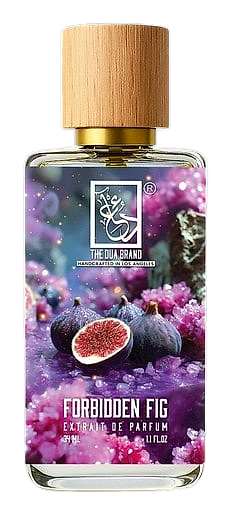
Fragrances featuring Kadota Fig



Brands
Brands known for Kadota Fig
Good to know
Questions, answered
The essentials on Kadota Fig in perfumery: how it smells, where it comes from, and how it behaves on skin.
What does Kadota Fig smell like?
Kadota Fig features a distinctive green, milky character with coconut-like lactones. The note combines crushed leaf freshness, subtle bark bitterness, and a soft sweetness that evokes standing beneath a fig tree.
Is Kadota Fig natural or synthetic?
Most Kadota Fig accords blend natural fig leaf extracts with synthetic molecules. The actual fruit yields no extractable aroma, so perfumers must reconstruct the complete fig experience.
What fragrance families use Kadota Fig?
Kadota Fig appears across green, woody, and floral families. It pairs naturally with vetiver, cedar, and white florals like gardenia and jasmine.
When did fig become a major perfumery note?
The fig note became prominent after 1994 when Olivia Giacobetti created Premier Figuier, marking the first fragrance built entirely around the fig tree's character.
Which parts of the fig tree are used in perfumery?
Perfumers use leaves, young shoots, and wood from Ficus carica. The fruit itself contains no extractable aroma and is not used in fragrance production.
What extraction method creates fig leaf absolute?
Fig leaf absolute traditionally uses sequential solvent extraction, a method refined in France that produces a concentrated, aromatic material with the characteristic green-lactonic quality.
Where does the Kadota fig variety originate?
The Kadota variety was developed and named in California's Central Valley in the early 1900s, though the species Ficus carica traces its roots to the Mediterranean and Middle East.
How does Kadota Fig differ from other fig varieties in perfumery?
Kadota fig contributes a particularly sweet fruit character and vigorous vegetative note. Perfumers often choose it for its balanced combination of green freshness and milky warmth.