
The Story
Why it exists.
The beginning
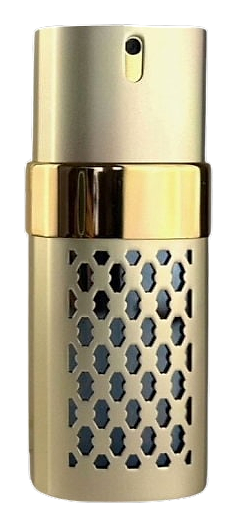
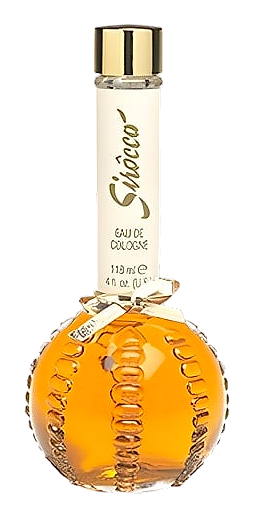
Sirocco takes its name from the hot desert wind that sweeps across the Mediterranean from North Africa, carrying sand toward Europe. Named for that relentless, warm current, the fragrance captures something of its namesake's paradox: it arrives dry and cutting, yet leaves warmth in its wake. Created in 1934 by Lucien Lelong, the scent opens with aldehydes alongside bergamot and cinnamon, with lavender lending a slightly medicinal herbal quality. The coriander provides a green, herbal lift that cuts through the opening, creating an immediate impression of a dry breeze off the Mediterranean. As the fragrance develops, it deepens into powdery intimacy, settling close to the skin in a way that feels both warm and restrained.
What makes Sirocco interesting is its refusal to choose. Oriental fragrances typically commit to warmth, to heaviness, to presence. Sirocco opens with coriander's herbal sharpness, that green, slightly peppery quality that cuts through like cold air. Then the florals arrive, not to overwhelm but to soften, and the musk-sandalwood base anchors everything into something powdery and close. It's a composition that understands restraint, that knows a fragrance can be warm without being heavy, Oriental without being suffocating.
The evolution
The opening is all about coriander. Green, herbal, slightly peppery. It arrives with purpose, establishing itself as a defining characteristic that shapes the fragrance's initial character. Then the jasmine and lily of the valley begin to surface, softening the edges without erasing them entirely. The heart settles into rose and musk, creating a powdery-floral middle that feels both warm and light. This middle phase is where Sirocco earns its Oriental classification, though it remains an Oriental with considerable restraint. The drydown belongs to sandalwood. Creamy, woody, present. It doesn't shout, but it lingers, and the musk underneath keeps everything close to the skin. Long-lasting on most skin types. Moderate sillage. The kind of performance that makes you reconsider what you thought you knew about classic fragrances.
Cultural impact
Sirocco is classified as Oriental yet lighter than that classification typically implies. The powdery-woody character reads as vintage and sophisticated. It's a fragrance that feels earned rather than announced, confident in its composition without needing to demand attention. The restraint in its construction suggests a particular sensibility, one that values nuance over exclamation.