The Story
Why it exists.
The beginning
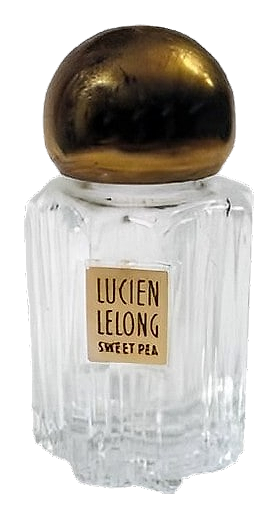
Sweet Pea arrived in 1938, a quiet addition to Lucien Lelong's growing fragrance line. Lelong had built his reputation in couture before turning his attention to scent, and the move from clothing to perfume reflected a designer who understood that a woman's wardrobe and her vanity table spoke the same language. Sweet pea, as a subject, suited that sensibility. It was a flower with a gentle, unforced character, the kind of bloom you might find tumbling over a garden fence rather than arranged in a formal vase. Lelong's team let that quality guide the composition, building a scent that felt approachable and feminine without leaning on the heavier structures that defined much of the era's perfumery.
What makes Sweet Pea interesting is its restraint. The composition centers on a single floral idea and lets the supporting notes serve the bloom rather than compete with it. That kind of focus was unusual at the time, when many fragrances piled on layers of opulence. Building a credible scent around sweet pea presents a particular challenge, since the flower resists easy capture through traditional extraction, so the perfumer had to work with suggestion and impression rather than a direct floral essence.
The evolution
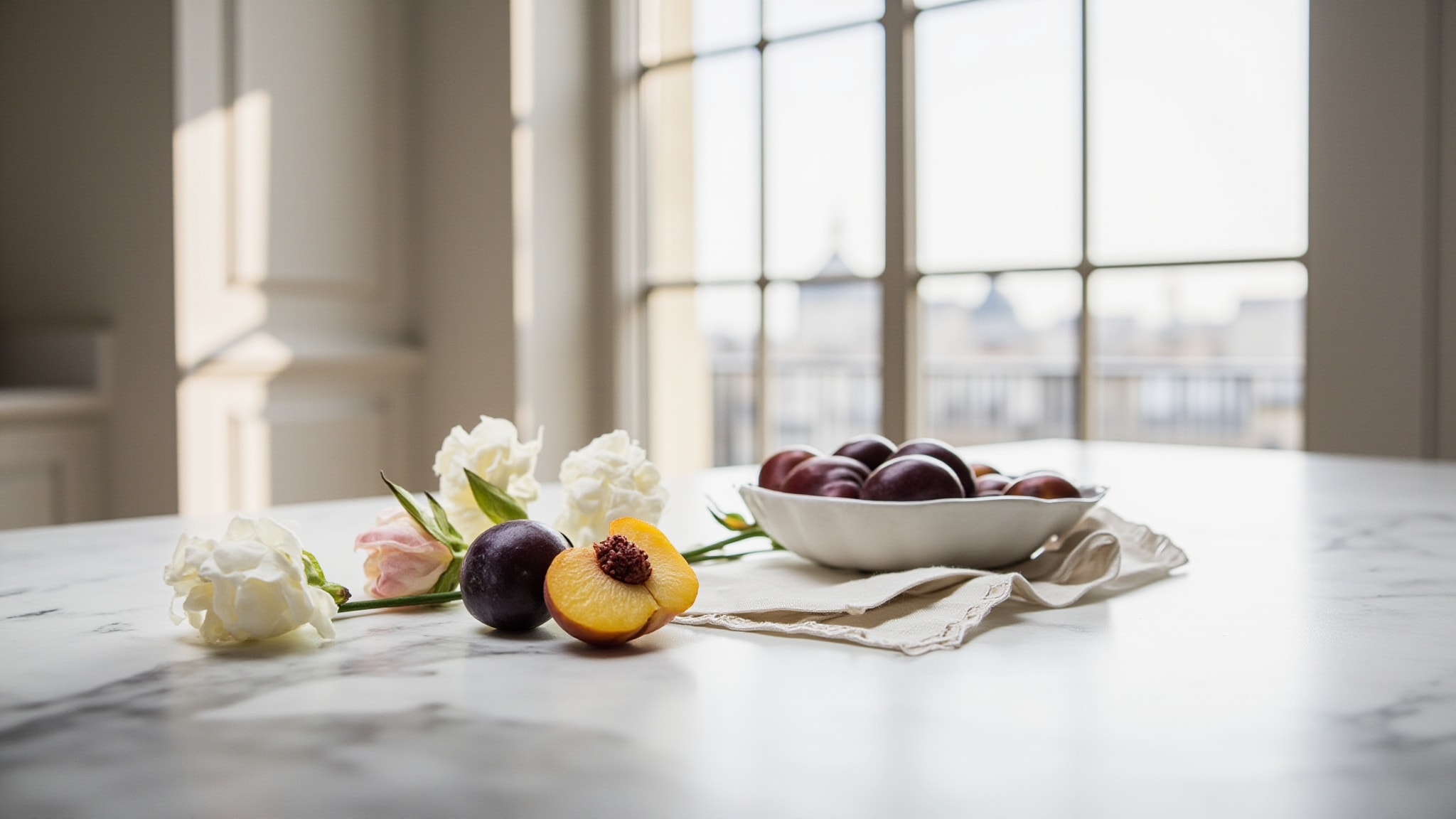
The opening is bright and a touch fizzy, the aldehydes doing what aldehydes do in a well-built floral, lifting everything above the skin. The sparkle settles quickly and gives way to a rounder, warmer impression, fruit-suggestive rather than literally fruity, with a fleshy quality beneath all that shimmer. The heart is where sweet pea lives, that soft, almost watery floral quality that reads more like an impression of a flower than the flower itself. Cushioned by honeyed sweetness and warmed by a trace of something green and faintly hay-like, the composition holds its shape without ever feeling heavy. As the hours move on, the florals recede and the warmer notes take over. The fruit turns golden, almost jammy in its softness. The base carries that vintage powdery warmth, not heavy, not soapy, just the quiet finish of a composition that knows when to stop.
Cultural impact
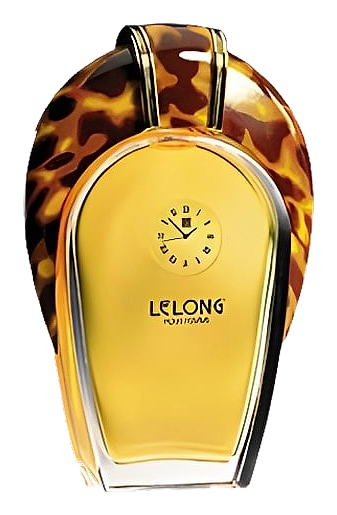
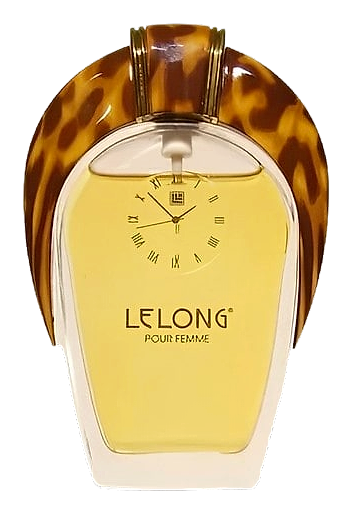
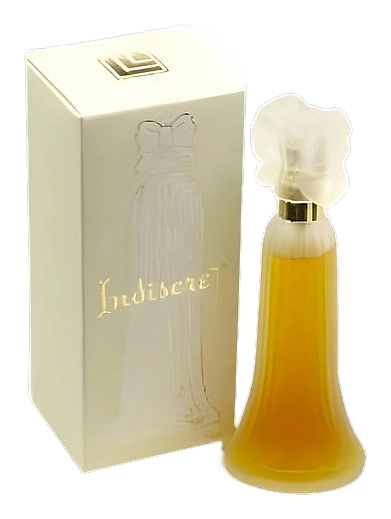
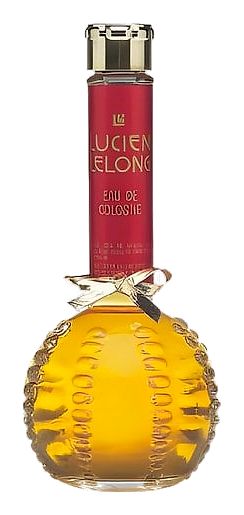
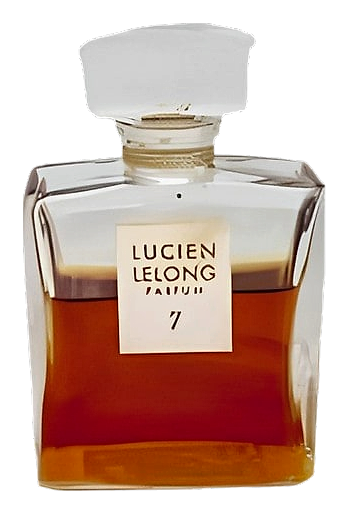
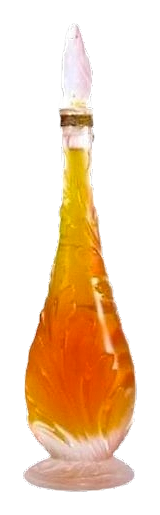
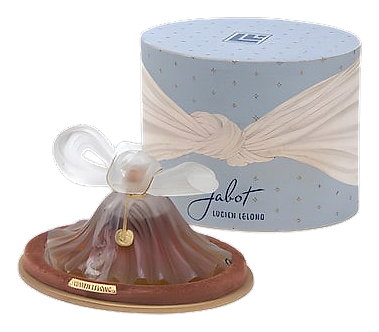
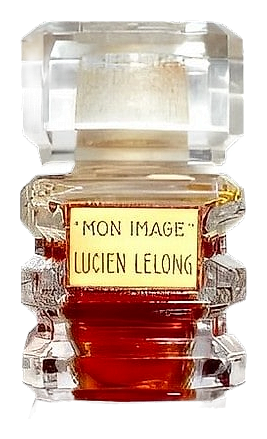
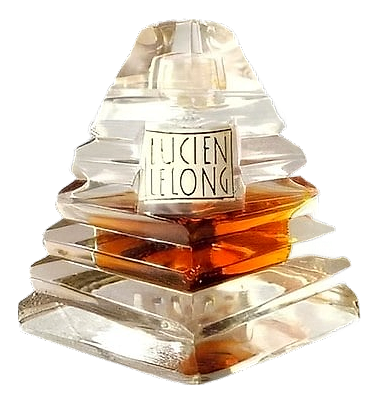
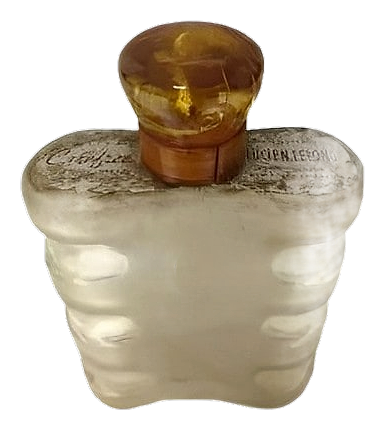
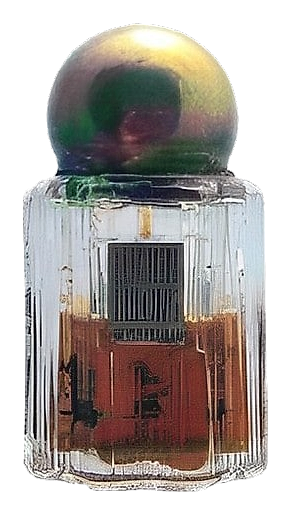
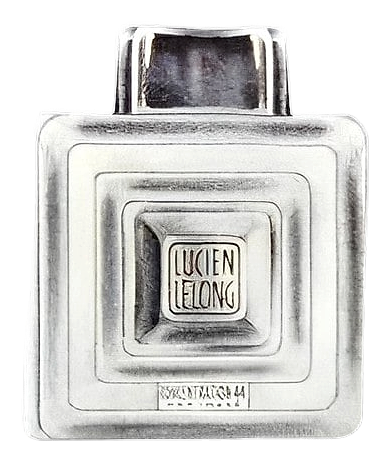
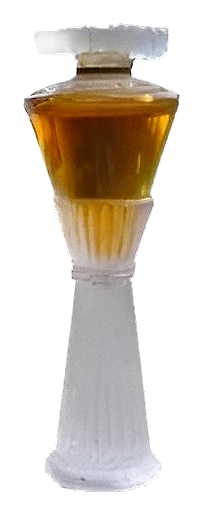
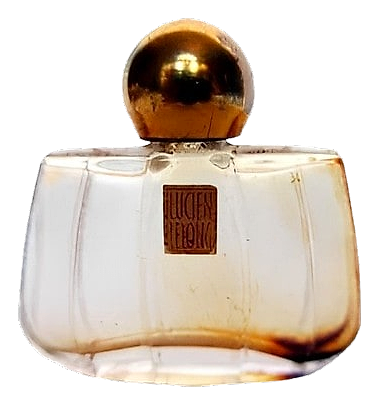
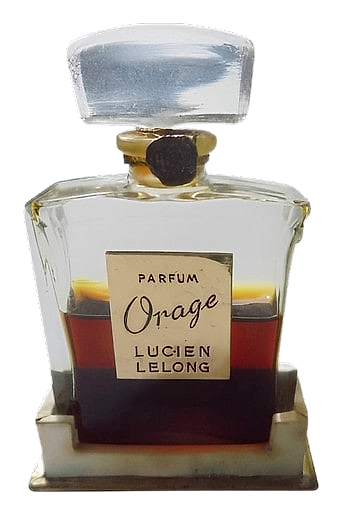
Sweet Pea belongs to a moment in French perfumery when the named single-flower fragrance held a particular appeal. The late 1930s produced a range of florals built around a single botanical idea, and sweet pea, with its soft, unassuming character, fit naturally into that conversation. Longevity on the skin is moderate, and the sillage stays close, making it a personal scent rather than a room-filling one. The bottle and presentation reflect the elegance typical of the house, with clean lines and an understated glamour.