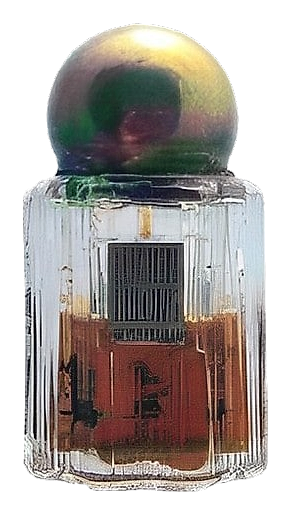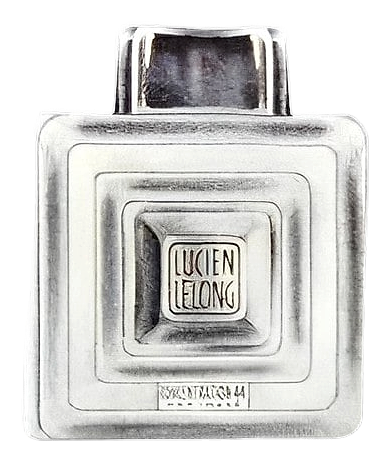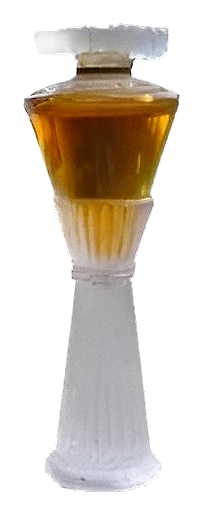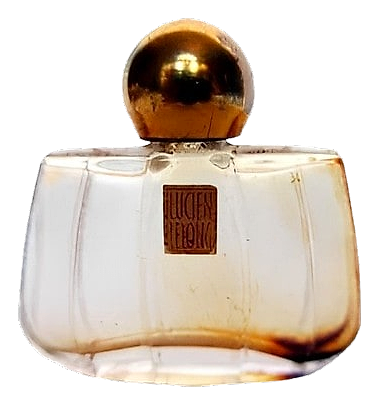
The Story
Why it exists.
The beginning
Joli Bouquet, released in 1935, arrived as part of a designer-driven approach to scent that treated fragrance as an extension of a woman's wardrobe. The name itself, 'pretty bouquet,' signals an instinct for the immediately evocative rather than the abstract: a fragrance that promises its effect in plain language, then sets out to deliver it. From the first spray, the composition reads as deliberately understated, a floral built to be worn rather than performed. There is no theatrical opening, no sharp citrus thrust designed to announce itself across a room; the scent moves with the kind of quiet confidence that belongs to a cologne or a face powder rather than a statement.
The classical floral perfume of the early twentieth century drew on a tradition of layered blooms, where multiple white and pastel flowers were combined to create a single idealized impression rather than a literal reproduction of a garden. Joli Bouquet sits squarely in that lineage, a composition that treats florals as architecture rather than inventory. The fragrance builds its effect through quiet accumulation rather than dramatic contrast, allowing each element to register softly against the next.
The evolution
Joli Bouquet opens with a cool, almost watery brightness, the kind of clean sweetness that reads more like a freshly cut stem than a fully opened bloom. Within the opening half hour, the floral character deepens, lending a green, dewy quality that braids into the initial brightness, and the composition settles into something that smells less like a garden in bloom and more like a florist's back room on a cool morning. There is no sharp citrus bite to cut through the floral sweetness, no heavy base to anchor it prematurely; the composition moves with the patience of a scent that knows it does not need to hurry. As the hours pass, the bouquet softens and rounds, the individual elements becoming harder to separate as a powdery warmth begins to emerge from underneath.
Cultural impact
Joli Bouquet has become a quiet fixture among vintage collectors, the sort of fragrance that surfaces in old perfume cabinets and estate sales rather than on contemporary retail counters. Its relative rarity today suits the character of the scent itself, a composition that was never built to be famous or widely imitated. It was built to be worn close, to live on skin and fabric and memory rather than to fill a room or announce itself from across a bar.