The Story
Why it exists.
The beginning
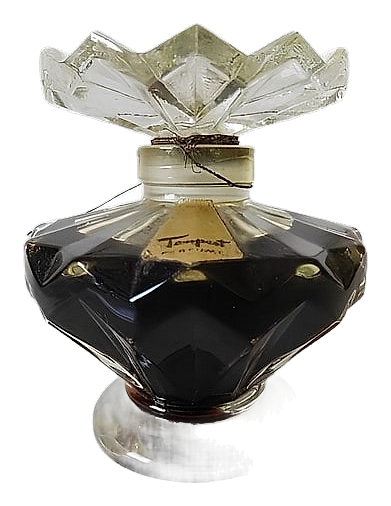
Released in 1942, Tempest arrived as a statement in the French perfumery tradition. The mid-century landscape offered compositions with weight, with richness, with the kind of substance that registers rather than disappears. Tempest answered that brief without apology. Sweet and gourmand-leaning, it leans into the indulgent side of French perfumery, the kind of scent that wraps around its wearer with presence and intention. The name suggests turbulence, but the composition itself is remarkably settled: a woody-oriental built to endure, to warm, to stay close. Born from the same house that gave the world Indiscret, Tempest belongs to a confident French lineage of fragrances designed to feel like a complete statement, not a light suggestion.
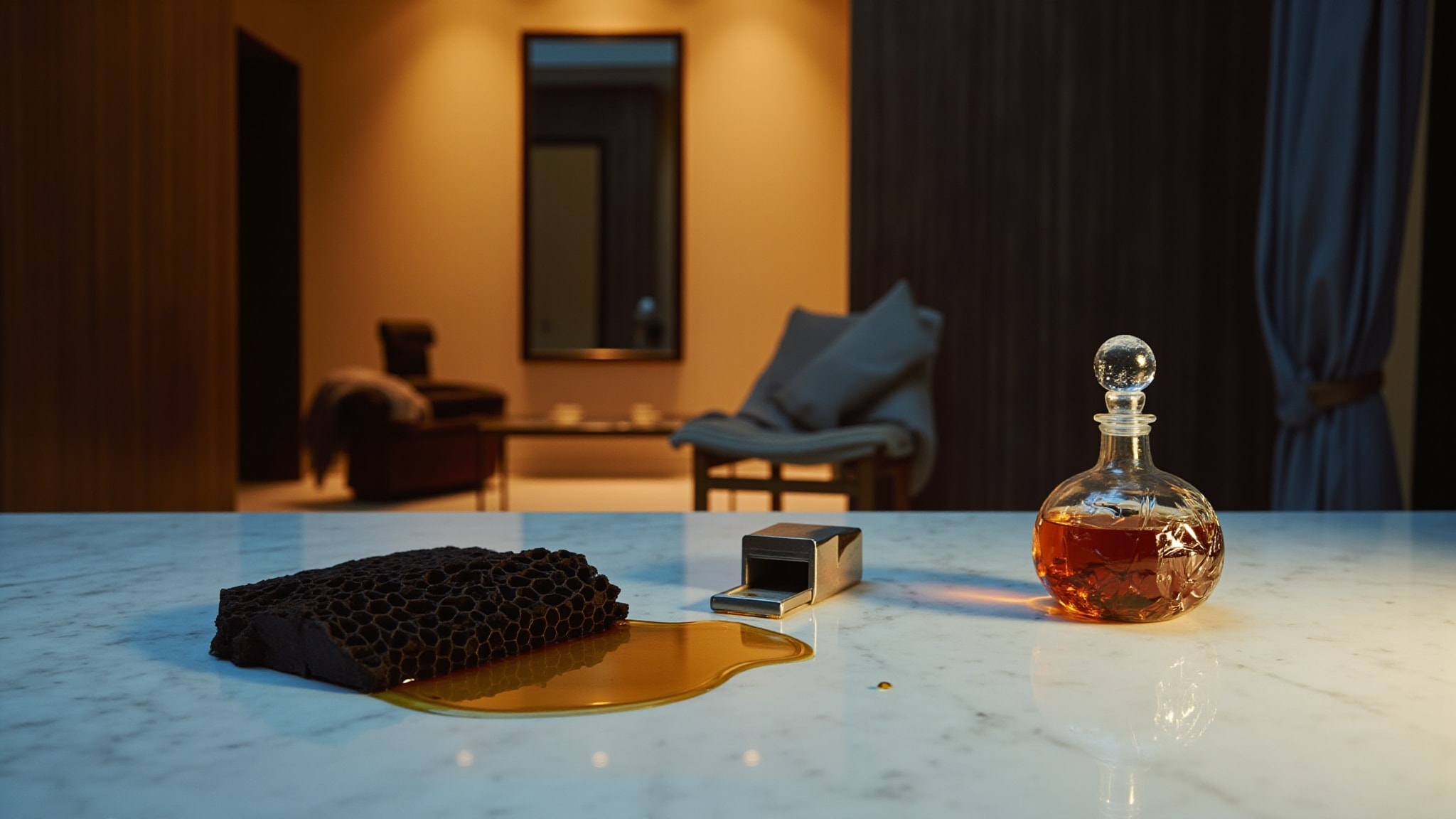
The woody-oriental accord that defines Tempest sits in a specific French tradition. Rich honey, layered spice, and a warm wood base create a composition that feels architectural rather than decorative. Rather than chasing transparency, Tempest builds density from sweet and spiced elements that evolve together rather than competing for attention. The gourmand classification marks it as indulgent, committed to its sweetness without flinching from it. It's the difference between honey as a material and honey as a suggestion.
The evolution
The opening is where Tempest shows its hand. Sweet and warm from the first contact, with a dark honey note that arrives immediately and refuses to be polite about it. There's spice from the start, clove and nutmeg and something that reads as allspice, threading through the honey like heat through dark stone. The first thirty minutes feel dense, almost confectionary, the kind of sweetness that makes you check whether you've applied too much. You haven't. It's just honest about what it is. Around the two-hour mark, the composition begins its slow pivot. The honey pulls back from the foreground, letting the woody base take its rightful place. The spice doesn't fade, it integrates, becoming part of the wood rather than sitting on top of it.
Cultural impact
Tempest occupies a particular place in the record of mid-century French fragrance, a woody-oriental with genuine density and presence. For collectors drawn to the era's richer compositions, it represents the kind of fragrance that prioritized depth and lasting impression. It's a scent for the considered wearer, someone who values composition that announces itself with intention and stays with you through the hours it chooses to remain.