Soft Spice
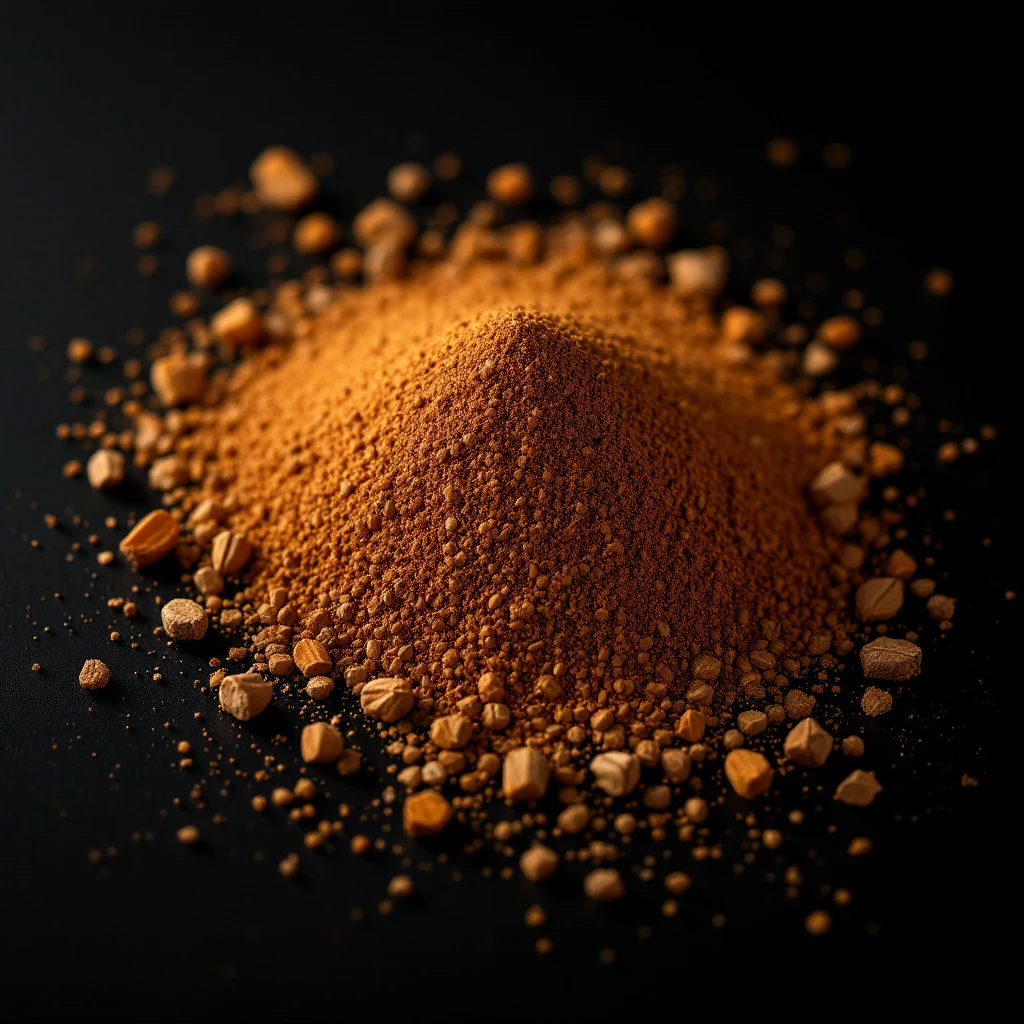
Soft Spice is a perfumery category for warm, rounded spice notes that embrace rather than bite. These gentle heat signatures—think pink pepper, cardamom, and saffron—create an inviting warmth that bridges fresh top notes and deeper base accords.
Character
How it smells
Warmth without the burn. Gentle heat that embraces.
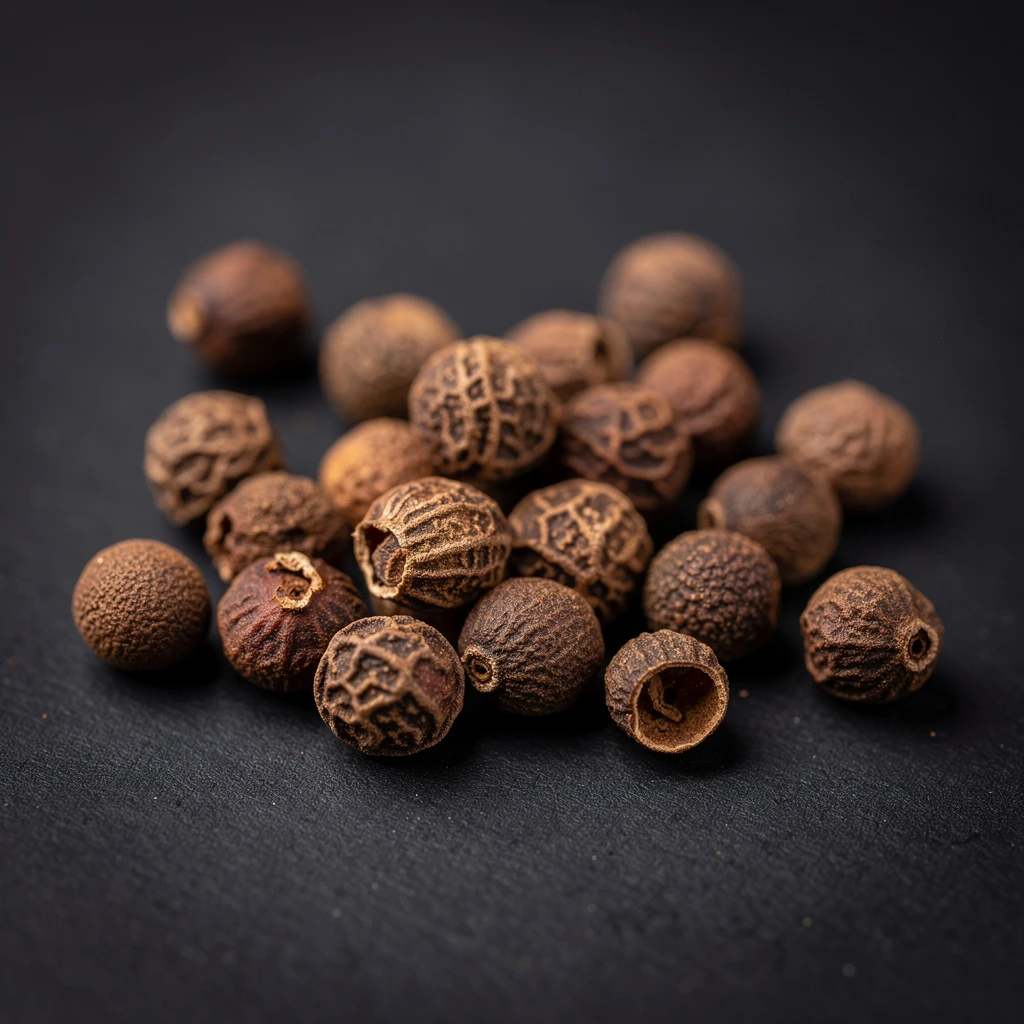
Pink pepper berries grow on the same family as sumac and mango, making them technically a fruit rather than a true peppercorn.




Origin
Guatemala
Spices have perfumed human civilization for over 4,000 years, appearing in ancient Egyptian temples and Mesopotamian trade routes. Soft spices specifically gained prominence in perfumery during the Oriental fragrance revival of the early 20th century, when perfumers sought alternatives to harsh, biting spice notes. The modern appreciation for pink pepper emerged in the 1990s, when IFRA regulations on certain natural materials pushed perfumers toward softer alternatives.
Cardamom's perfumery history stretches back further—it scented the baths of ancient Rome and featured in medieval apothecary blends. Today, soft spices represent a perfumer's bridge between tradition and modern sensibilities, offering warmth that feels contemporary and accessible.
Wears it best
Fragrances featuring Soft Spice
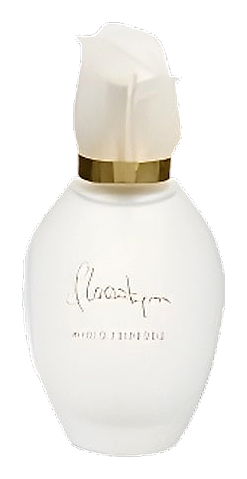
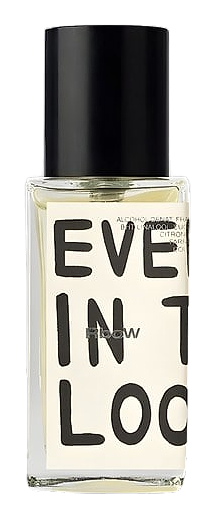
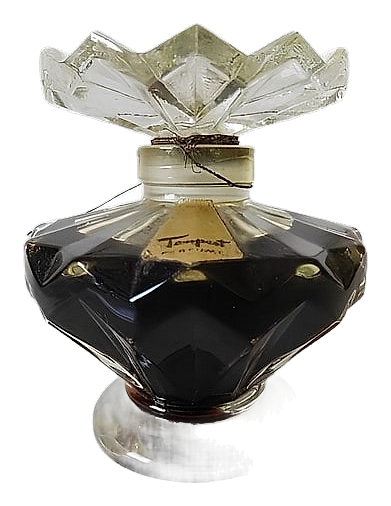
Brands
Brands known for Soft Spice
Good to know
Questions, answered
The essentials on Soft Spice in perfumery: how it smells, where it comes from, and how it behaves on skin.
What makes a spice 'soft' versus sharp in perfumery?
Soft spices have lower levels of irritant compounds like piperine or eugenol. Pink pepper lacks the harsh piperine found in black pepper, creating warmth without the sharp bite that can overwhelm delicate fragrance compositions.
Which ingredients are classified as Soft Spice notes?
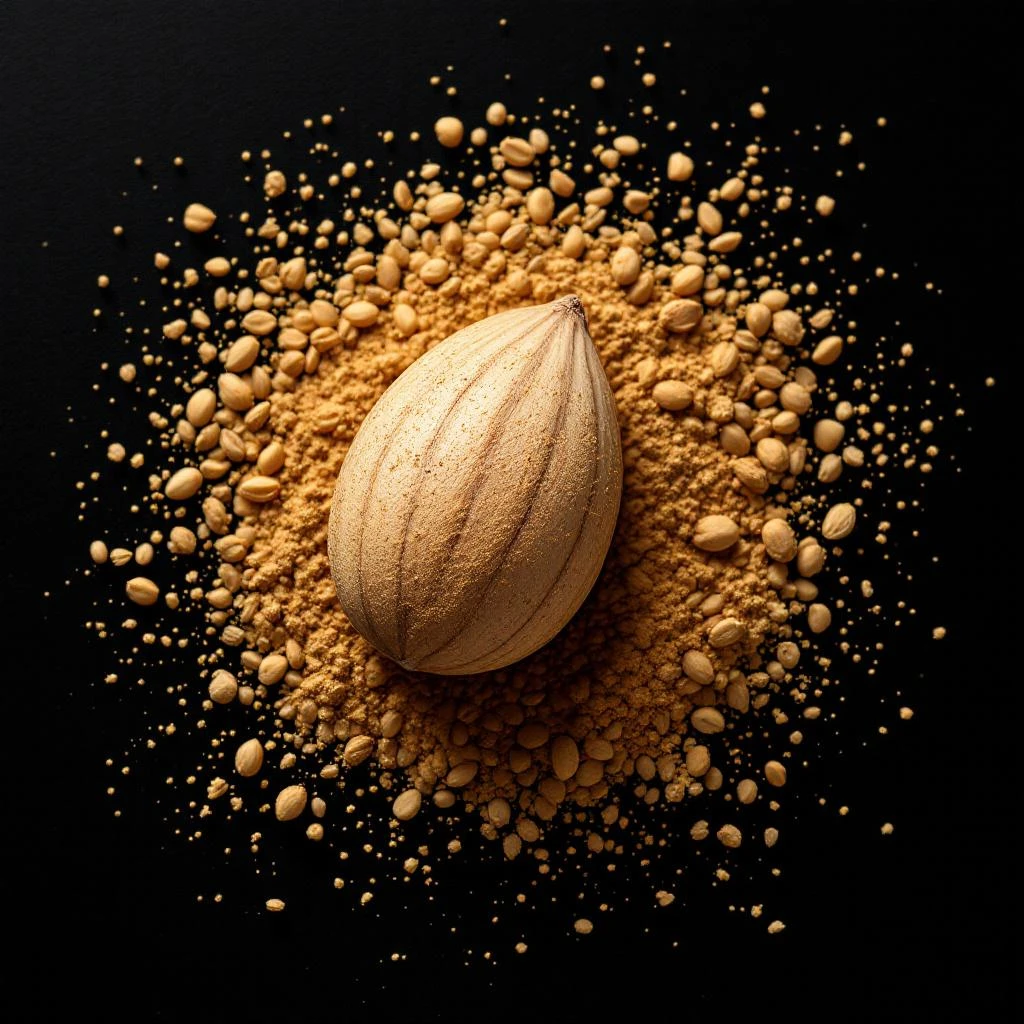
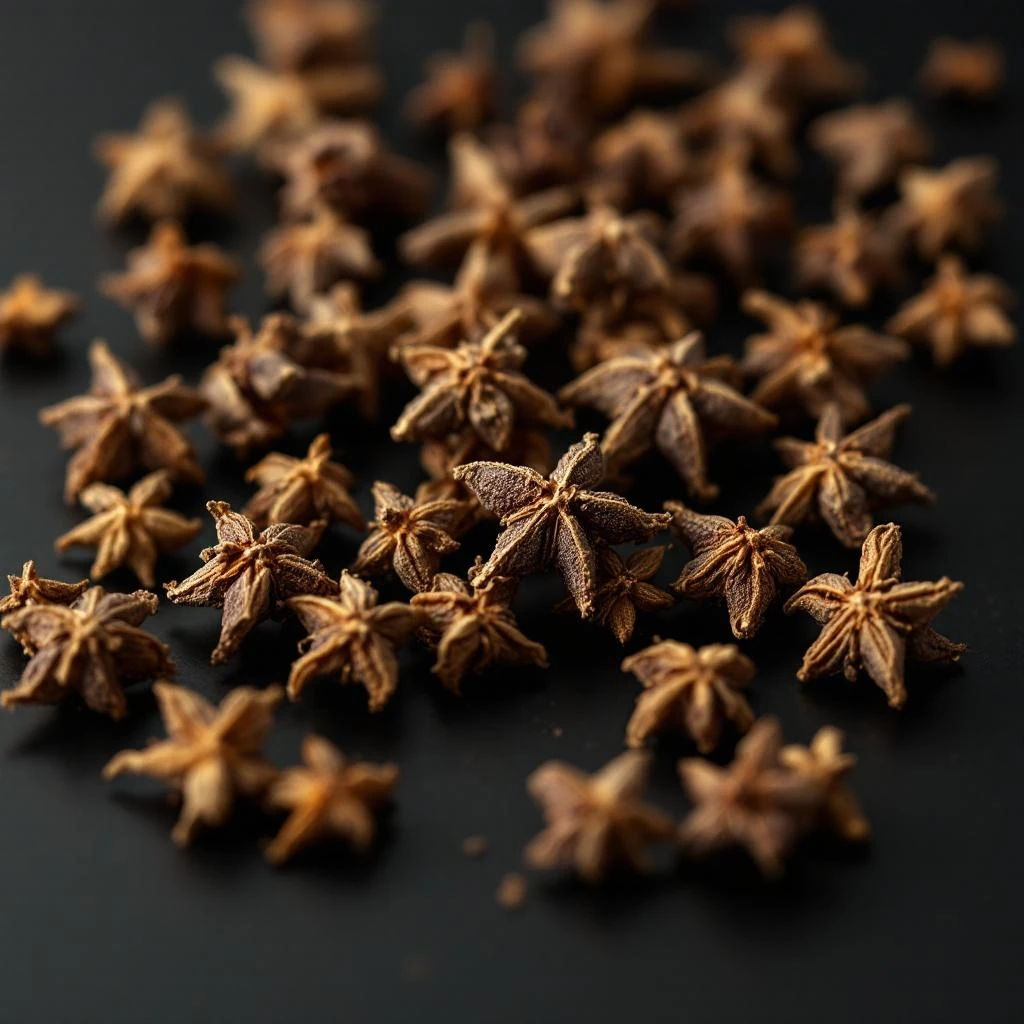
Common soft spices include pink pepper, cardamom, saffron, tonka bean, and sometimes nutmeg at low concentrations. Each offers warmth with varying levels of sweetness and complexity.
Does Soft Spice come from natural or synthetic sources?
Both natural and synthetic soft spice compounds exist. Natural sources include pink pepper and cardamom; synthetics like Calone provide marine-spice effects. Modern perfumers blend both for consistency and creative range.
What fragrance families commonly use Soft Spice notes?
Oriental, woody, and floral fragrances most frequently feature soft spice notes. The warmth bridges fruity or fresh top notes with deeper base accords like sandalwood and amber.
How long do Soft Spice notes last in a fragrance?
This varies by ingredient. Cardamom appears in the heart phase and lasts 2-4 hours. Pink pepper functions as a top note, typically 30 minutes to 2 hours. Saffron can persist into the dry-down.
Are Soft Spice notes suitable for sensitive skin?
Soft spices like pink pepper are generally gentler than their sharp counterparts. IFRA standards regulate most natural soft spice extracts, making them appropriate for formulated products at recommended concentrations.
What scent families pair well with Soft Spice notes?
Soft spices complement citrus, florals, woods, and marine notes. The warmth enhances floral bouquets while adding complexity to fresh aquatic or clean wood fragrances.
Why did perfumers develop Soft Spice as a category?
Regulatory changes and skin sensitivity concerns in the 1990s prompted perfumers to find alternatives to traditional sharp spices. The soft spice category emerged from this search for warm, approachable aromatic profiles.