Warm Wood
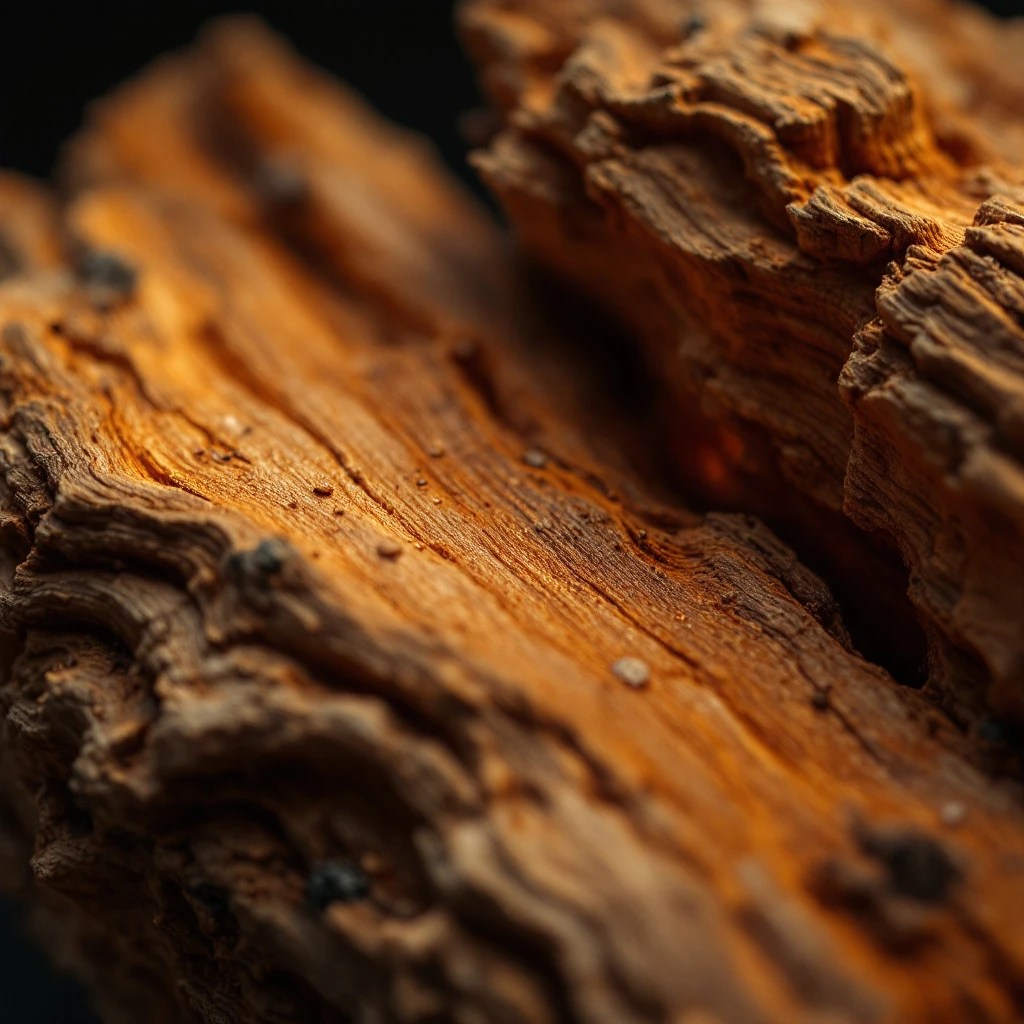
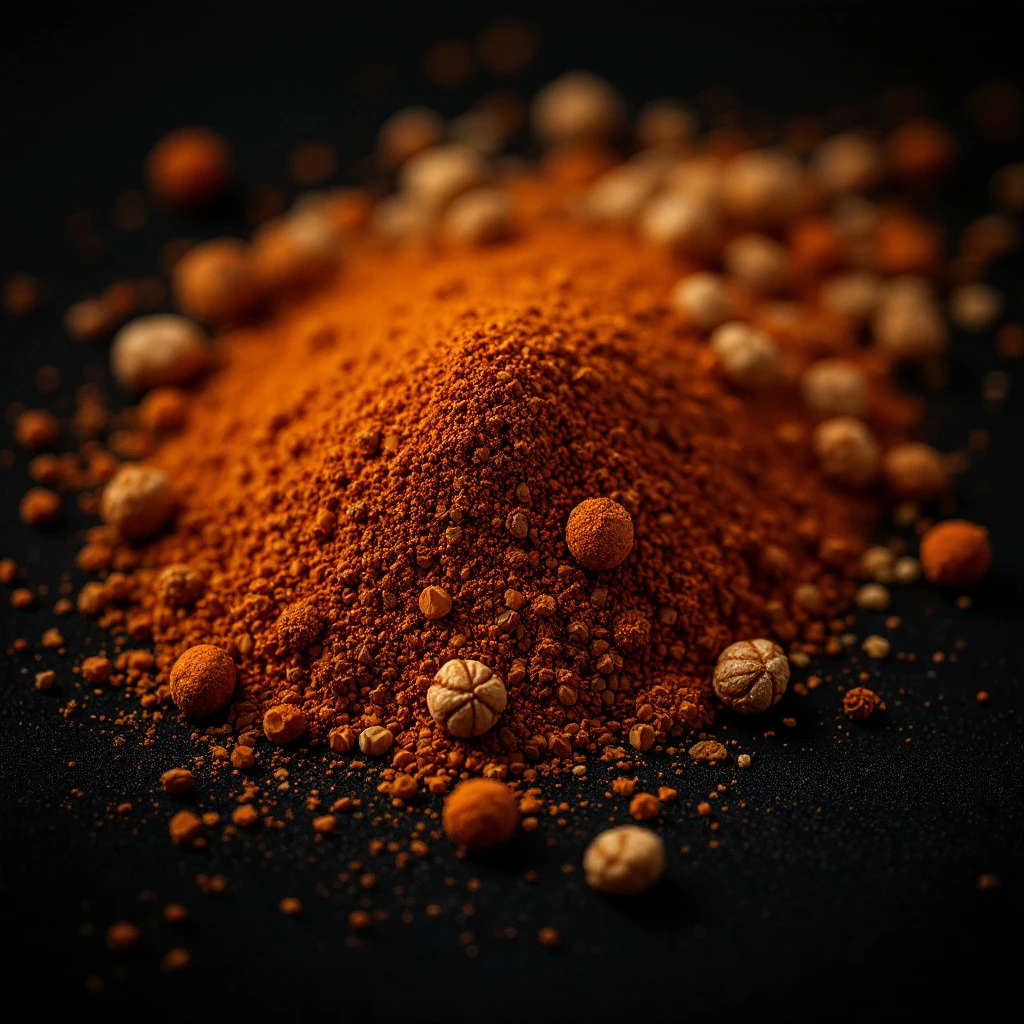
Warm Wood defines the base of modern perfumery: rich, resinous, grounding notes extracted from heartwoods like sandalwood, cedar, and guaiac. These materials anchor volatile top notes, giving fragrance its lasting depth.
Character
How it smells
The backbone of every lasting scent.
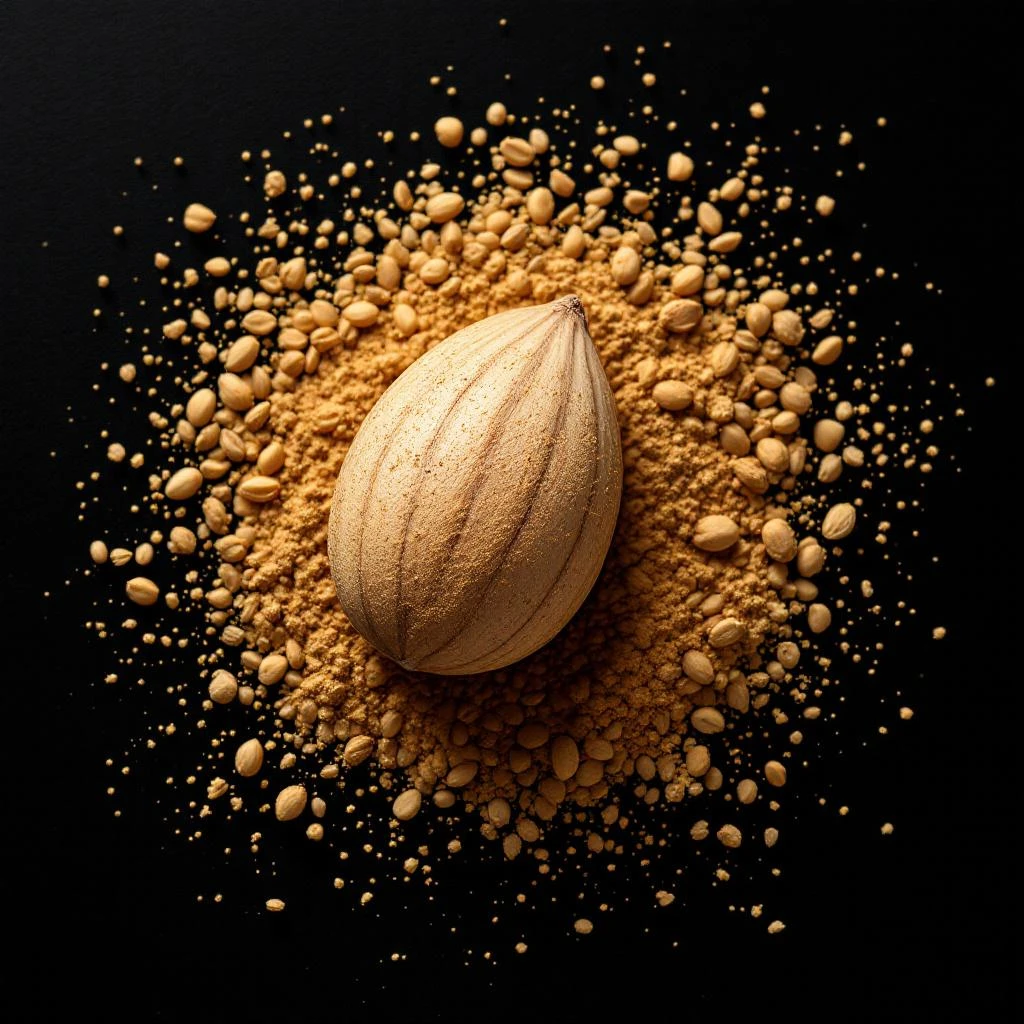
Coumarin, the sweet compound found in tonka bean and warm wood accords, became one of the first aroma chemicals synthesized commercially in 1868, reshaping perfumery forever.




Origin
India
Warm wood ingredients trace back to the earliest recorded fragrance traditions. Around 4000 BCE, Mesopotamians burned cedar and cypress resins as incense, the first documented use of aromatic wood. Ancient Egyptians imported these resins from Lebanon, incorporating them into kyphi, a sacred incense blend burned at temple rituals after sunset.
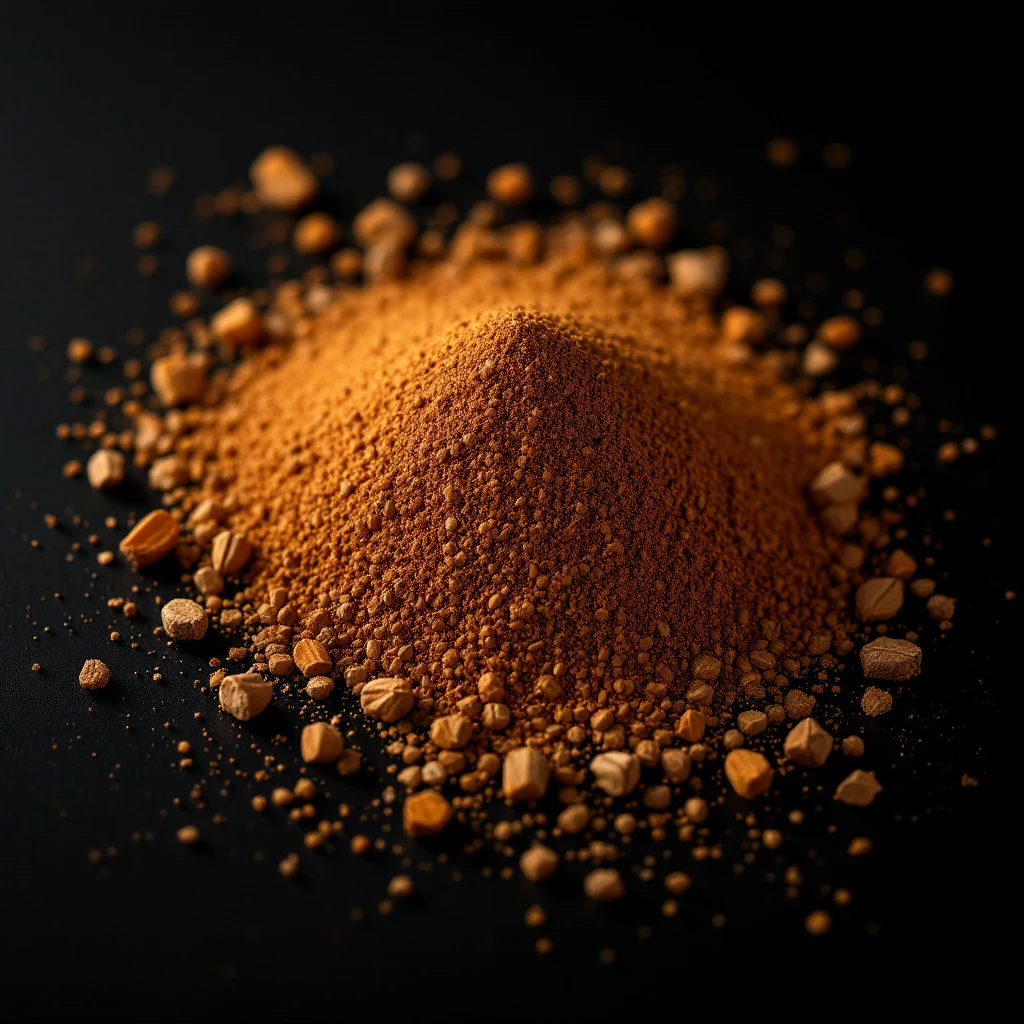
Sandalwood reached Egypt via Indian trade routes by the 2nd century CE, valued for its ability to retain scent when blended into oils and unguents. In India, sandalwood held both spiritual and commercial weight for over 4,000 years, carved into ritual objects and distilled into attar. The Indian Sandalwood industry peaked under Mysore state control in the early 20th century.
Meanwhile, in 1868, coumarin became the first synthetic warm wood molecule produced at scale, extracted originally from tonka beans but soon synthesized by William Henry Perkin. This breakthrough gave perfumers access to warm, sweet notes without depleting forests. Today, warm woods anchor the base of roughly 70 percent of fine fragrances.
Wears it best
Fragrances featuring Warm Wood
Brands
Brands known for Warm Wood
Good to know
Questions, answered
The essentials on Warm Wood in perfumery: how it smells, where it comes from, and how it behaves on skin.
What does Warm Wood smell like in perfume?
Warm Wood in perfumery refers to base notes with rich, dry, resinous character. Sandalwood smells creamy and milky, guaiacwood carries a smoky violet quality, and cedar offers a dry pencil-shaving sharpness. Together they ground lighter ingredients and extend wear time on skin.
Which woods are classified as Warm Wood notes?
The most common Warm Wood materials are Indian sandalwood, Texas cedarwood, guaiacwood, and cashmere wood synthetics. Each contributes a distinct texture: sandalwood adds creaminess, cedar adds dryness, and guaiacwood brings a tea-like smokiness.
Why are wood notes placed at the base of a fragrance?
Wood molecules are large and heavy, meaning they evaporate slowly. Perfumers place them at the base layer so the scent unfolds gradually, with wood notes lingering 6 to 10 hours after the top and heart notes have faded.
Is Warm Wood natural or synthetic?
Both. Traditional Warm Wood materials come from steam-distilled heartwoods, but shortages of Indian sandalwood since the 1990s have pushed perfumers toward synthetic alternatives like Iso E Super and Cedramber that mimic warm wood character sustainably.
What is the difference between Warm Wood and dry wood notes?
Warm Wood notes typically contain sweet, balsamic, or creamy undertones from sandalwood or guaiacwood. Dry wood notes, like cedar or vetiver, lean sharper and smokier. Both serve as base notes, but Warm Wood feels more enveloping and smooth on skin.
When was wood first used in perfume?
Wood resins were burned as incense in Mesopotamia around 4000 BCE, making them among the earliest documented fragrance ingredients. Egyptian temples later imported cedarwood from Lebanon for ritual use by 1500 BCE.
Why is Indian sandalwood so expensive?
Indian sandalwood trees require 15 to 30 years to mature before heartwood oil content peaks. Combined with strict government harvest quotas and decades of overexploitation, supply remains tight, keeping prices well above most other woody ingredients.
Can Warm Wood notes cause skin sensitivity?
Some wood extracts, especially oxidized sandalwood or guaiacwood oil, can irritate sensitive skin when applied at high concentrations. IFRA regulates these materials, and most commercial fragrances dilute them well below irritation thresholds for safe daily use.



