
The Story
Why it exists.
The beginning
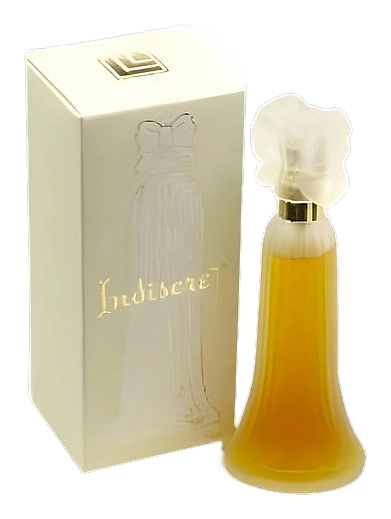
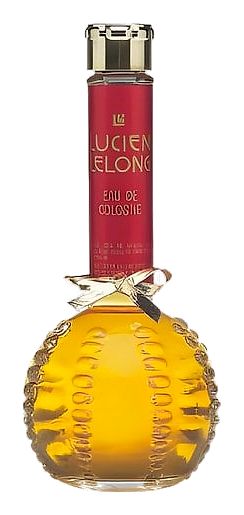
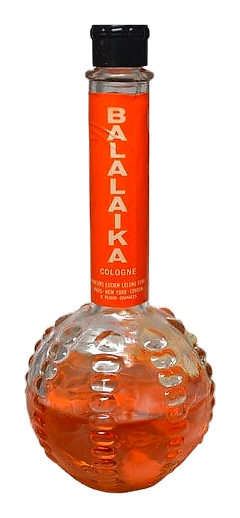
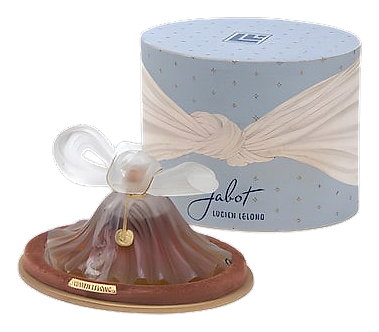
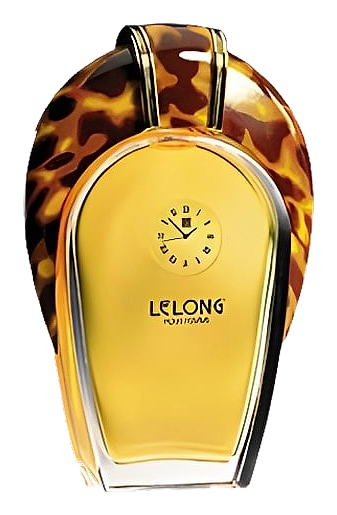
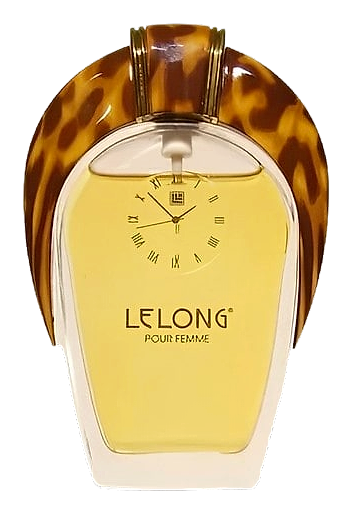
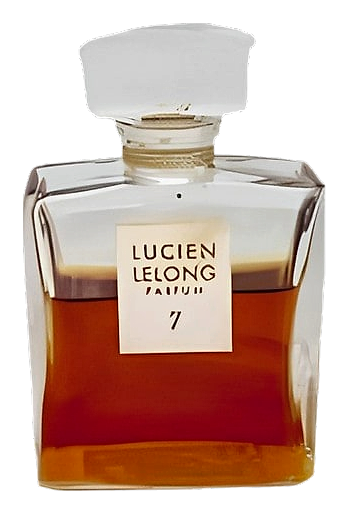
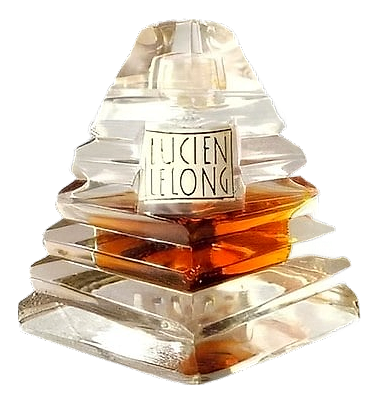
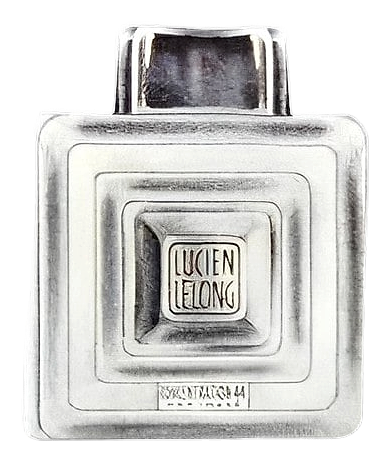
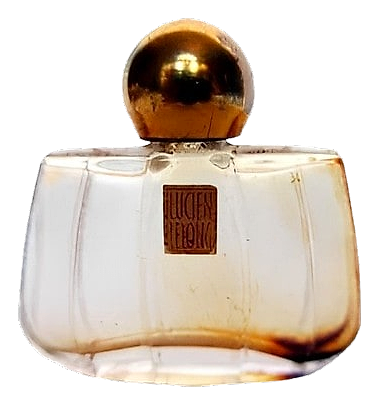
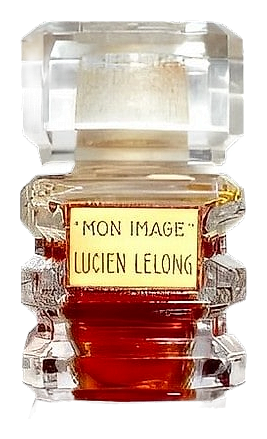
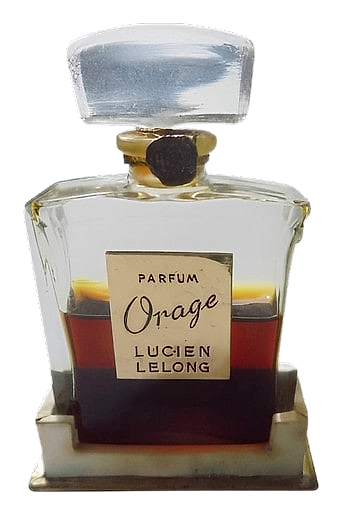
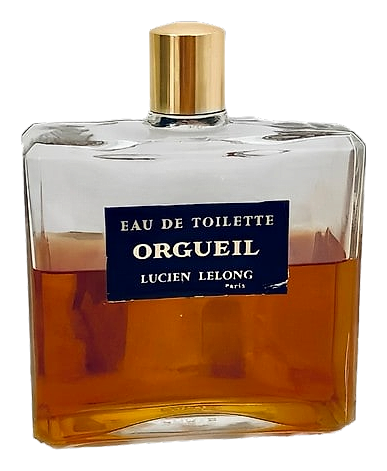
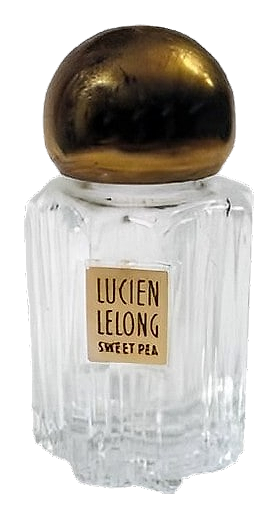
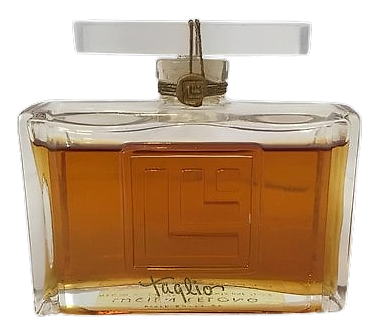
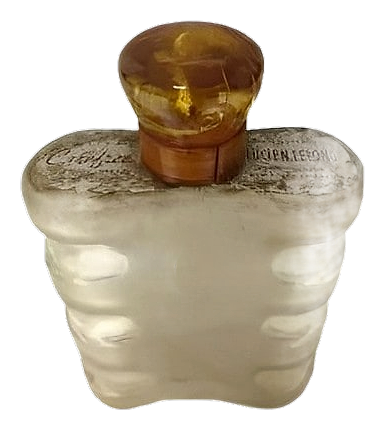
Carefree arrived in 1939, released by Lucien Lelong, a fashion figure who had moved into fragrance as part of a broader couture vision shared by many Parisian houses of the period. It joined a catalog that included Indiscret and Opening Night, but Carefree occupied different ground: a lighter, more relaxed affair that pointed toward something airy and casual while still carrying the kind of finish expected from a couturier's perfume. It's labeled unisex, a choice that set it apart from many launches of its era. That framing alone says something about intent.
The fougère family is one of perfumery's oldest structures, built on a lavender-herb spine with a clean shaving-soap backbone of oakmoss and tonka. What makes Carefree interesting is the era it landed in. 1939 sat at the edge of a decade that would soon reshape everything, including the kinds of scents people reached for. The fougères of the late 1930s carried an uncomplicated elegance that reads as both modern and oddly distant now, a register that feels lighter than what came after.
The evolution
On skin, Carefree announces itself with a bright herbal lift, the kind of opening that reads as clean without crossing into clinical coldness. The early minutes are the lightest the fragrance gets: herbaceous, airy, almost bracing in that traditional cologne way, with a sparkle up top that feels intentional rather than incidental. As the first hour passes, the aromatic character deepens slightly, lending texture without weight, the herbs warming from bright to rounded without losing their lift. The base settles in with a soft, quiet closeness, the kind of skin-level presence that rewards patience. Nothing about this is meant to project across a room. The sillage stays close, personal, evolving within arm's reach. On fabric the next morning, the trace lingers faintly, a green-herbal echo of the day before, more memory than statement.
Cultural impact
Carefree occupies a particular corner of late-1930s fragrance history. Its unisex positioning was not the norm at the time of its release, and that choice has given it a quiet staying power among collectors and fragrance historians who document the period. Vintage examples occasionally surface in collector circles and reference materials. The fragrance's lighter register, free from the heavier barbershop conventions that would come to dominate later decades, gives it a forward-leaning quality that still reads as approachable rather than performative.