
The Story
Why it exists.
The beginning
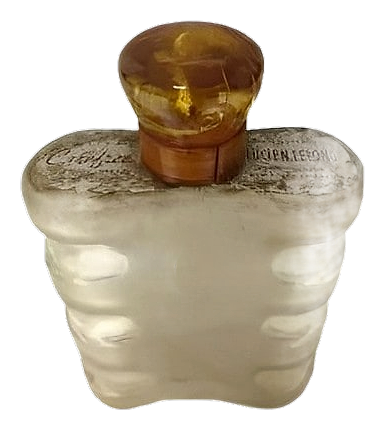
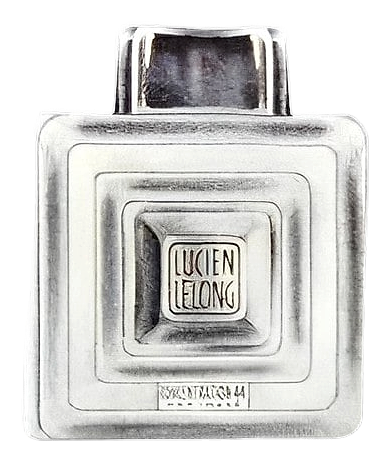
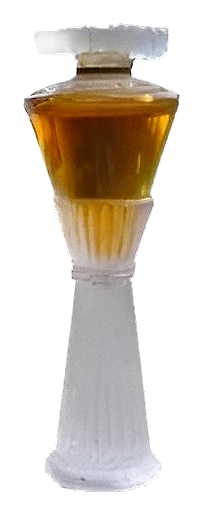
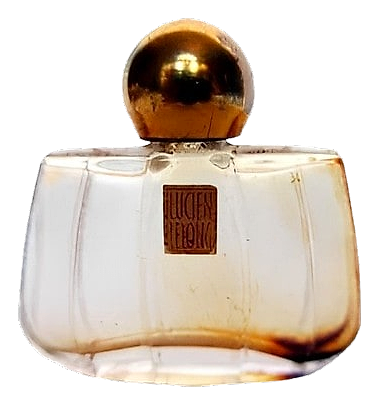
Cachet arrived in 1948 as part of Lucien Lelong's vast perfume portfolio, a release from a house whose name has long carried the weight of prestige. Its very title suggests a seal of approval, a mark of distinction captured in fragrance form. The source notes credit unknown perfumer(s) with its composition, leaving the creation itself wrapped in a certain professional anonymity that only adds to its mystique. What remains clear is the intent: a composition that speaks softly rather than loudly, built for the woman who understood that true confidence rarely needs to announce itself. The name Cachet carries that same idea, capturing something intangible yet unmistakable, a quality that separates a pleasant scent from one that lingers in memory.
The strength of a Lucien Lelong composition lies in its sense of understatement, and Cachet makes that philosophy immediately apparent. The fragrance positions powdery softness and warm amber at the heart of its structure rather than chasing louder statements. That structural choice, placing gentleness at the center instead of pushing it to the periphery, gives the composition its particular gravity. The powder and amber work in conversation with one another, each softening the other into something that wears close rather than projects wide.
The evolution
Cachet opens with a soft veil of powder that feels almost like the memory of a perfume rather than a fresh application, an immediate sense of something already familiar. Within the first moments, the opening settles gracefully, allowing the composition to find its footing. The floral heart emerges gradually, understated rather than heady, cushioned by a creamy warmth that prevents it from ever feeling sharp. As the fragrance moves into its middle phase, jasmine takes center stage, supported by the subtle spice of cardamom that adds just enough dimension to keep the blend from feeling flat. Around the two-hour mark, the base deepens considerably, and the warm woods make their presence felt, giving Cachet its lasting signature. The drydown is where this fragrance earns its name. Powdery warmth lingers close to the skin, never projecting widely, never demanding attention.
Cultural impact
Cachet belongs to a generation of French fragrances that prioritized poise over provocation, a release whose gentle character set it apart from more assertive contemporaries. That positioning made it the kind of scent worn close rather than broadcast widely, a private pleasure as much as a public accessory. Today it sits in vintage collections as a reference point for soft, floral compositions, carrying the particular cachet of a house whose fragrances have only grown more intriguing with the passage of time.