Genet
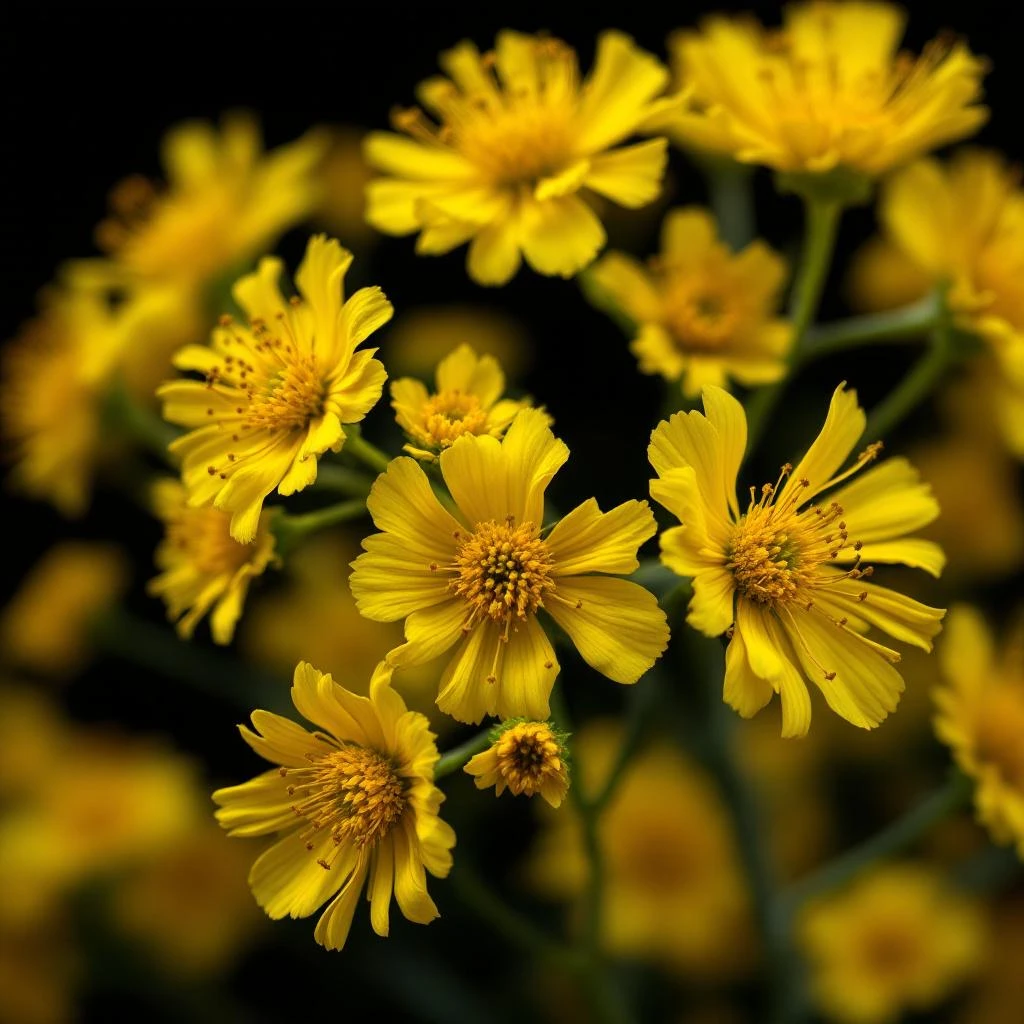
Genet absolute, extracted from the yellow flowers of Spartium junceum, ranks among the rarest and most coveted naturals in perfumery. Its warm, honeyed sweetness and complex floral warmth act as a naturaliser, softening synthetic edges while adding rich, sun-drenched depth. This treasured ingredient remains a signature of artisanal Grasse perfumery.
Character
How it smells
A Mediterranean bloom, captured in gold.
Spanish broom flowers contain toxic alkaloids yet produce one of perfumery's most coveted floral absolutes.








Origin
France
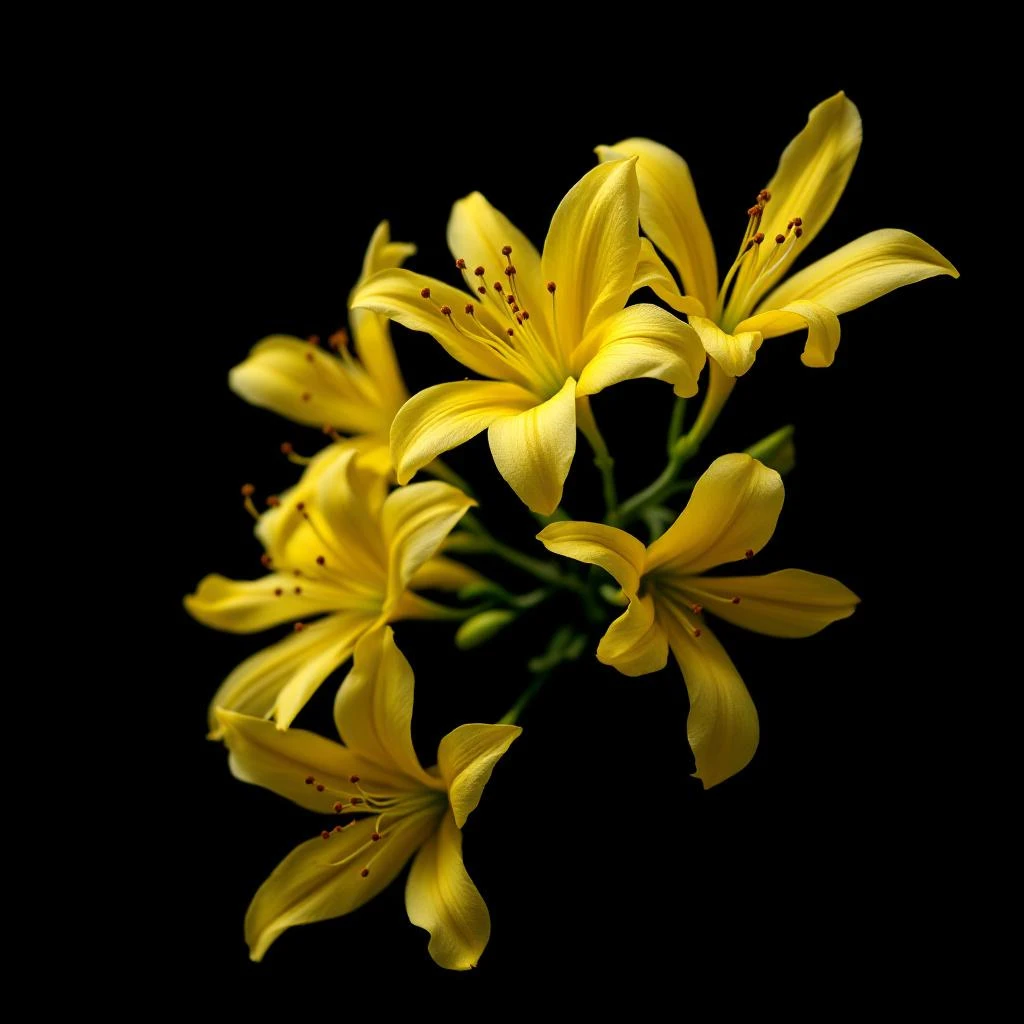
The broom bush has deep roots in Mediterranean folk tradition, where it symbolised rebirth and protection across Southern Europe. Its golden-yellow blooms have been celebrated in poetry and ceremony for centuries, long before perfumers recognised their aromatic potential.
In the ateliers of Grasse during the 19th and early 20th centuries, broom flowers were processed using enfleurage, the painstaking cold-fat method where fresh blooms were pressed into scented fats to transfer their fragrance. This labour-intensive technique produced small quantities of extraordinary material reserved for the finest perfumes.
As modern solvent extraction developed, the industry shifted toward more scalable methods while preserving the unique character of genet absolute. Today, the ingredient endures as a bridge between historical perfumery craft and contemporary natural aromatics, cherished by perfumers seeking authentic botanical complexity.
Wears it best
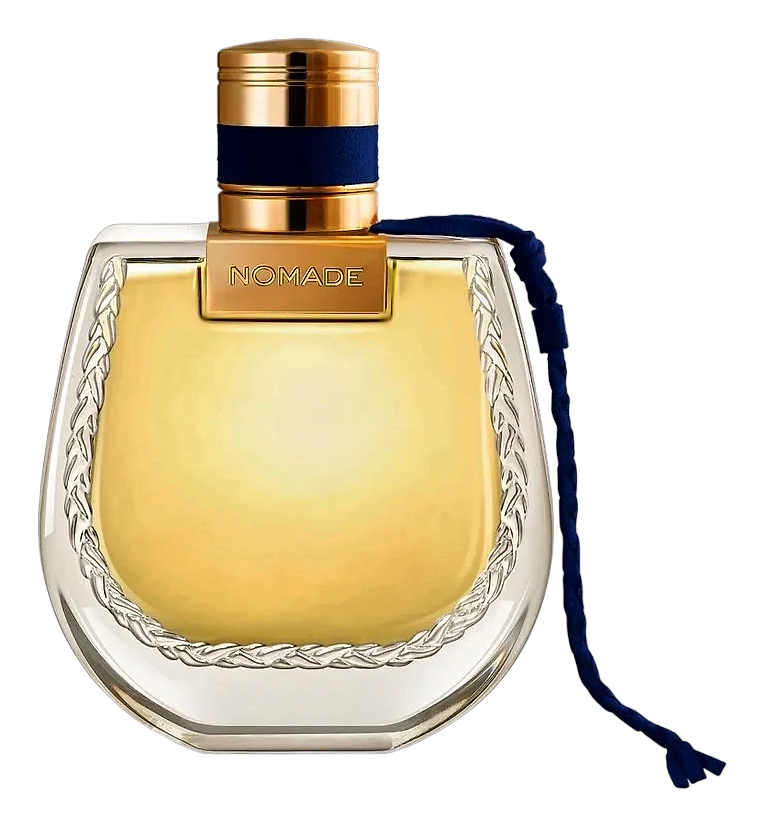
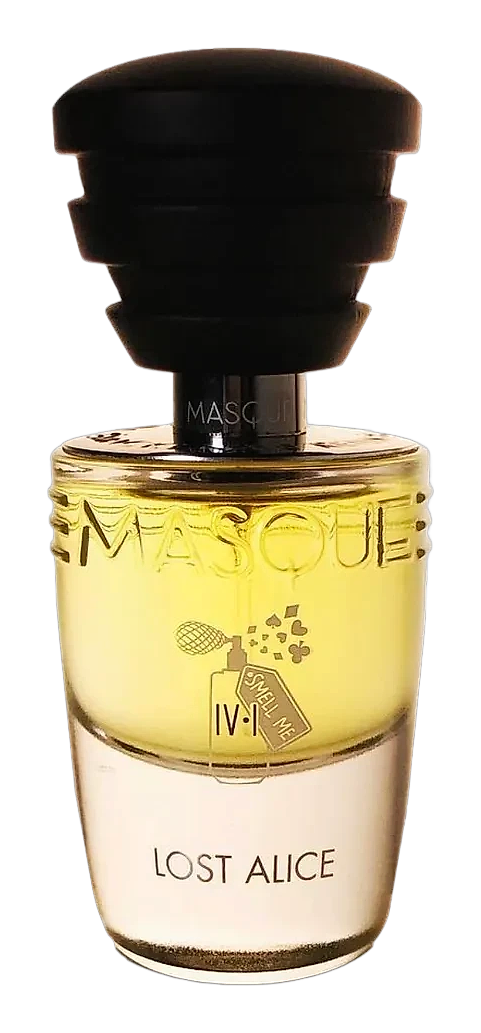
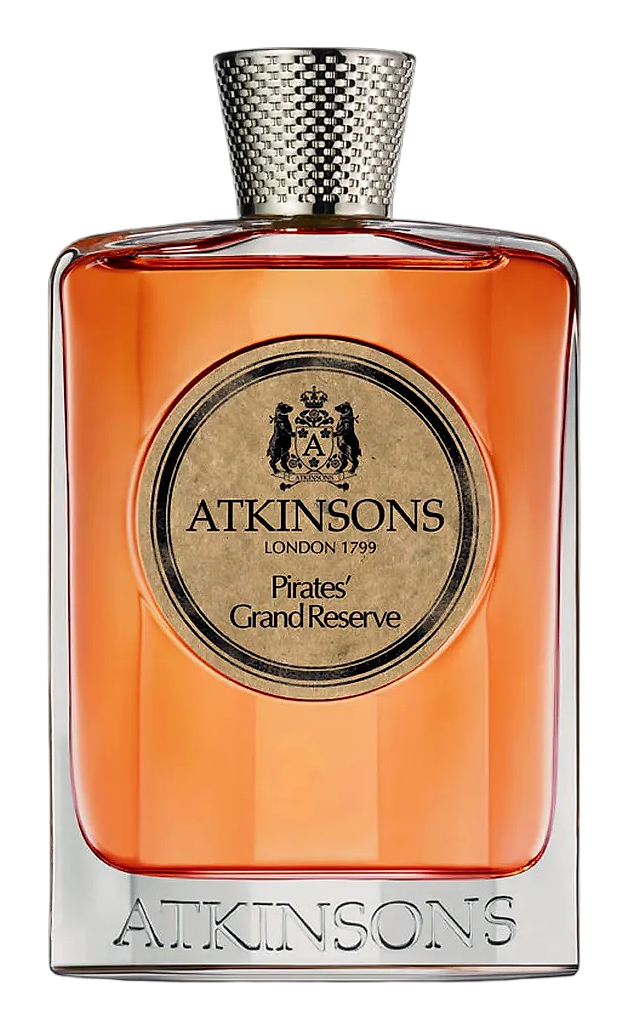
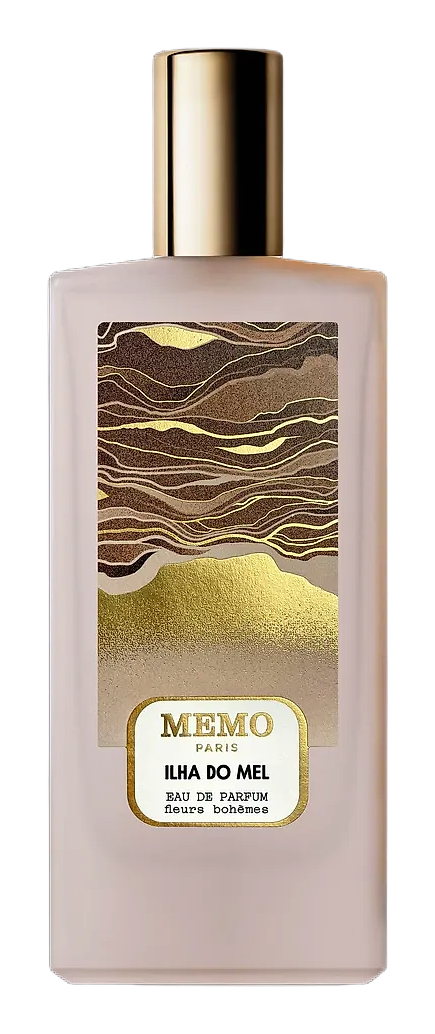
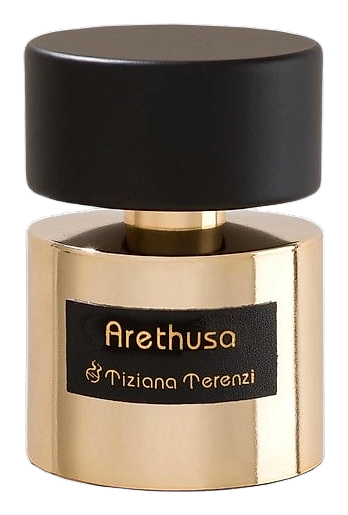
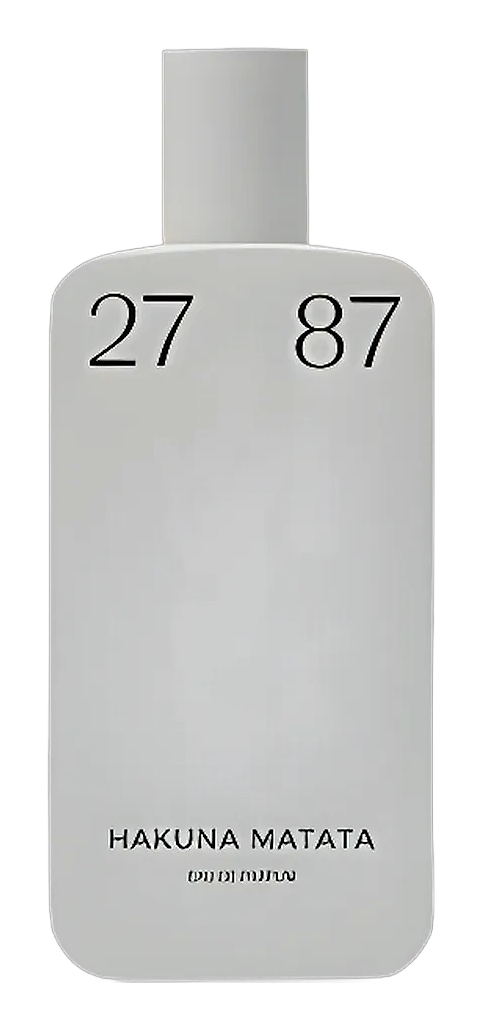
Fragrances featuring Genet

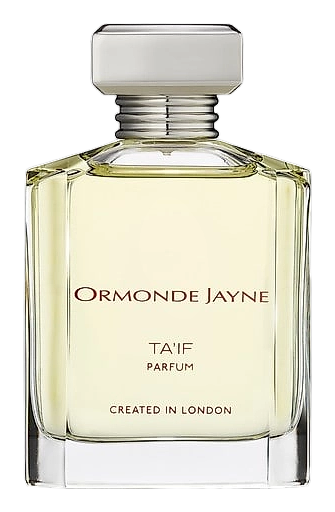
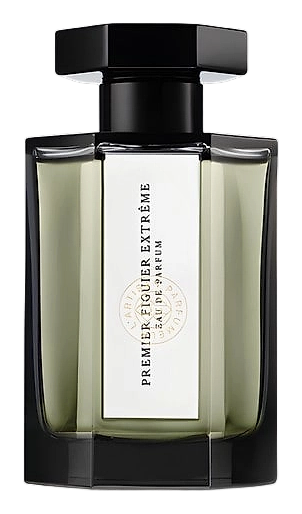
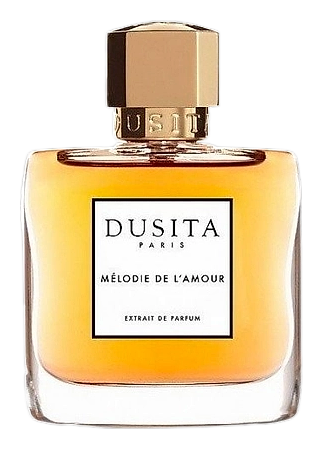
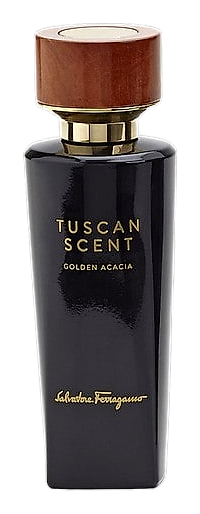
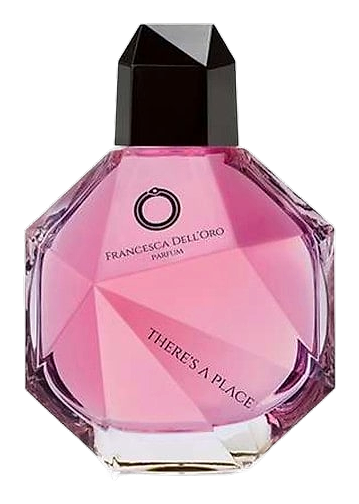
Brands
Brands known for Genet
Good to know
Questions, answered
The essentials on Genet in perfumery: how it smells, where it comes from, and how it behaves on skin.
What does Genet smell like in perfume?
Genet smells warm, honeyed, and intensely floral with sweet coumarin and hay-like facets. It also carries subtle animalic undertones and a powdery drydown that gives fragrances a sun-baked Mediterranean character.
Why is Genet used in perfumery?
Genet is prized as a naturaliser, softening synthetic edges while adding warmth and complexity. Its rare, multi-faceted scent enriches fragrance compositions, creating depth that few ingredients can replicate.
Is Genet in perfume natural or synthetic?
Genet is a rare natural ingredient extracted from Spanish broom flowers. Due to its scarcity, synthetic substitutes exist, but authentic genet absolute remains one of the most coveted naturals in perfumery.
What famous perfumes contain Genet?
While specific formulations remain proprietary, genet has appeared in historic and contemporary fragrances from Grasse houses and niche perfumers. Its use is documented across multiple perfume families seeking authentic botanical warmth.
Is Genet a top note, heart note, or base note?
Genet functions primarily as a heart note, revealing its warm, sweet character in the mid-palette. Its depth also allows it to contribute to drydown, providing lasting floral warmth.
What notes pair well with Genet in perfume?
Genet pairs naturally with other Mediterranean florals such as jasmine and rose, as well as warm woods, resins, and animalic notes. Its honeyed quality complements vanilla and tonka while adding complexity to woody bases.
How is Genet extracted?
Genet absolute is obtained through solvent extraction of Spartium junceum flowers harvested in Southern France and Italy. Historical enfleurage methods have been largely replaced by modern extraction, though the ingredient remains rare due to limited seasonal harvest.
Is Genet used in men's or women's fragrances?
Genet appears in both men's and women's fragrances, though it has traditionally been more associated with feminine florals. Its warm, naturalising quality makes it versatile across fragrance families including chypres and orientals.