The Story
Why it exists.
The beginning
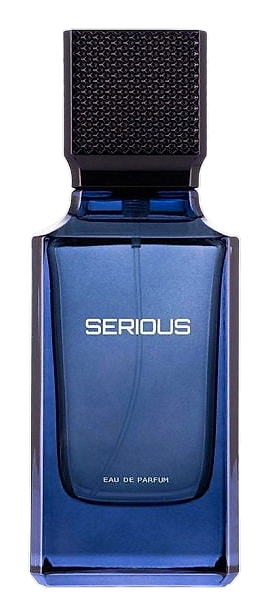
The composition reads as an exercise in restraint, a fragrance that seems almost unwilling to raise its voice. Al Majed Oud, a perfumery operation with roots in raw agarwood trade, allowed the formula to strip things back to a sparse architecture. One green-fresh-woody spine, held together by a narrow set of materials and nothing ornamental in sight. The result comes across less like a Middle Eastern composition and more like a Parisian edit of one, where oud barely registers as a ghost and tea does the heaviest lifting. It's an austere, quiet read that treats space and air as ingredients in their own right, letting each component breathe rather than layering them into a dense hush.
Petitgrain leads, but not as the sparkling citrus you'd expect. Here it reads twiggy, slightly bitter, almost pharmaceutical, like the sharp green smell of a twig snapped between fingers. The tea note at the heart sits cool and unsweetened, a dark steeped brew rather than anything warm or comforting. There's nothing cozy or rounded about it, just a clear, tannic bitterness that anchors the composition and gives it its dry center. Then a proprietary wood molecule in the base, one that reads as clean and mineral rather than earthy or raw, with a faint peppery edge that catches you off guard.
The evolution
The opening belongs entirely to petitgrain. Sharp, green, almost mentholated, the way a frozen orange peel smells before the juice thaws. It's bracing, a little austere, the olfactory equivalent of cold tap water. The tea materializes gradually, not warm and steamy but cool-brewed, tannic, and dark in character. The petitgrain doesn't leave; it gets absorbed into the tea's bitterness, and for a long stretch the fragrance reads as a single mineral-green accord, wood and leaf without the forest. A clean wood molecule surfaces later in the wear, adding a dry, slightly peppery warmth underneath. Eventually the sillage tightens to a close radius, the wood goes creamy, and what's left on skin smells faintly of cooled tea leaves left in a ceramic cup overnight. It stays that way for hours, quiet and wood-dry, never getting sweet, never getting heavy.
Cultural impact
The clean, woody, tea-forward character places Serious in a recognizable category of contemporary perfumery where green tea, soft woods, and mineral accords define the aesthetic. What distinguishes it is how it handles those familiar materials without leaning on the established reference points. The dry, mineral character and the tea-wood structure stand comfortably alongside well-regarded niche compositions, yet the execution feels distinctly its own. The accessibility shifts who gets to engage with this kind of restrained, tea-driven scent, opening up a territory that has often felt curated for a narrow audience.