
The Story
Why it exists.
The beginning
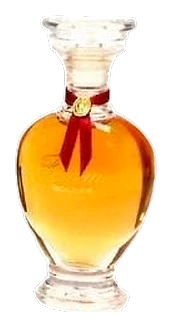
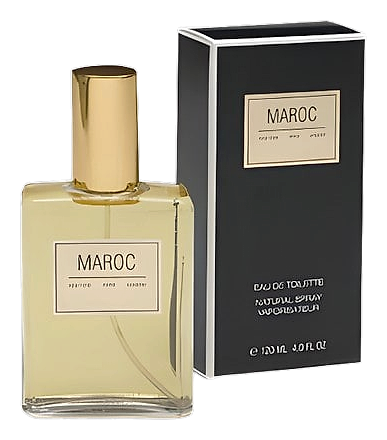
Maroc launched in 1987 under the Ultima II label, last marketed by Revlon Inc. The composition sits in the spicy-chypre register, leaning on a rich rose-orris-geranium heart over a classic oakmoss-patchouli base. Long Lost Perfume has since resurrected the formula, bringing it back into circulation for those who remember it or missed it the first time around. The original name, Maroc, suggests an orientalist romanticism common to the era, a scent pitched at someone who wanted their perfume to travel somewhere on the skin. The accord structure itself tells much of the story: aldehydes and bergamot open the door, coriander and cardamom add cool spice, and then the florals unfurl into something dense and almost architectural before the mossy base locks everything down.
What makes Maroc worth resurrecting is its particular balance of floral abundance and herbal austerity. The heart layers rose, ylang-ylang, jasmine, gardenia, orris, and lily of the valley into something that reads lush without crossing into the syrupy territory that buried many 80s florals. The geranium and coriander in the upper structure pull against that sweetness, adding a leafy, almost medicinal coolness. It's a chypre dressed as a floral, and that contradiction is where the composition finds its nerve.
The evolution
The opening minutes are bright and almost aggressive: aldehydes lift the bergamot into something fizzy, and the coriander-cardamom pairing adds a cool, almost metallic edge to the geranium. The rose announces itself early but doesn't dominate, working alongside ylang-ylang and orris to create a dense floral cushion as the composition develops. As the hours pass, the white florals fade and the chypre architecture takes over. Oakmoss and patchouli settle into the base while sandalwood and vetiver ground everything with a dry, earthy warmth. The musk that arrives in the final stages gives the drydown a soft, skin-like intimacy. In the late hours, what's left is moss, sandalwood, and a trace of warm rose, close to the skin but still distinct.
Cultural impact
Maroc landed in 1987 under the Ultima II label, a designation that places it within a specific lineage of mass-prestige fragrance releases. Its aldehyde-rose-orris structure reflects a confidence in oakmoss levels and dense florals that characterized compositions of its era. Collectors prize original bottles as artifacts worth hunting in vintage form, the kind of time-capsule release that gains mystique once it disappears from counters. The Ultima II association gives it context: a label that produced several cult favorites now sought after precisely because they're no longer in production.