The Story
Why it exists.
The beginning
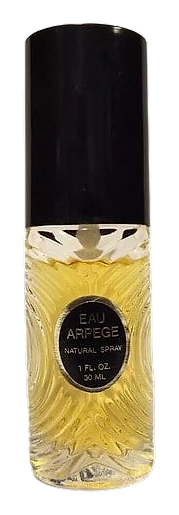
Lanvin launched Arpège in 1927, and the world took notice fast. By that point Jeanne Lanvin had already spent decades building a couture house whose name carried weight in fashion, and Arpège was the composition meant to crown all of it. She wanted a signature scent, something with the same gravity as her couture. Not a trend piece, but something that would hold its line year after year. The name itself, Arpège, points toward movement, toward one element giving way to the next in deliberate sequence. The opening comes in cool and effervescent, aldehydes lifting the whole thing with a fizzy, almost metallic sparkle, the kind of brightness that makes you tilt your wrist closer just to figure it out.
Fraysse built the scent around two structural pillars: aldehydes, which give that cool, fizzy, almost metallic sparkle at the top, and a full floral heart beneath. Rose. Jasmine. Honeysuckle. Lily of the valley. Iris. The aldehydes were the modernist move, synthetic molecules that lifted the whole arrangement into something brighter, cleaner, more electric than a bouquet alone could deliver. You feel it the moment it hits skin, almost like a struck chord, then the florals roll in underneath, dense and rounded, each one taking a turn at the front before settling back into the mix.
The evolution
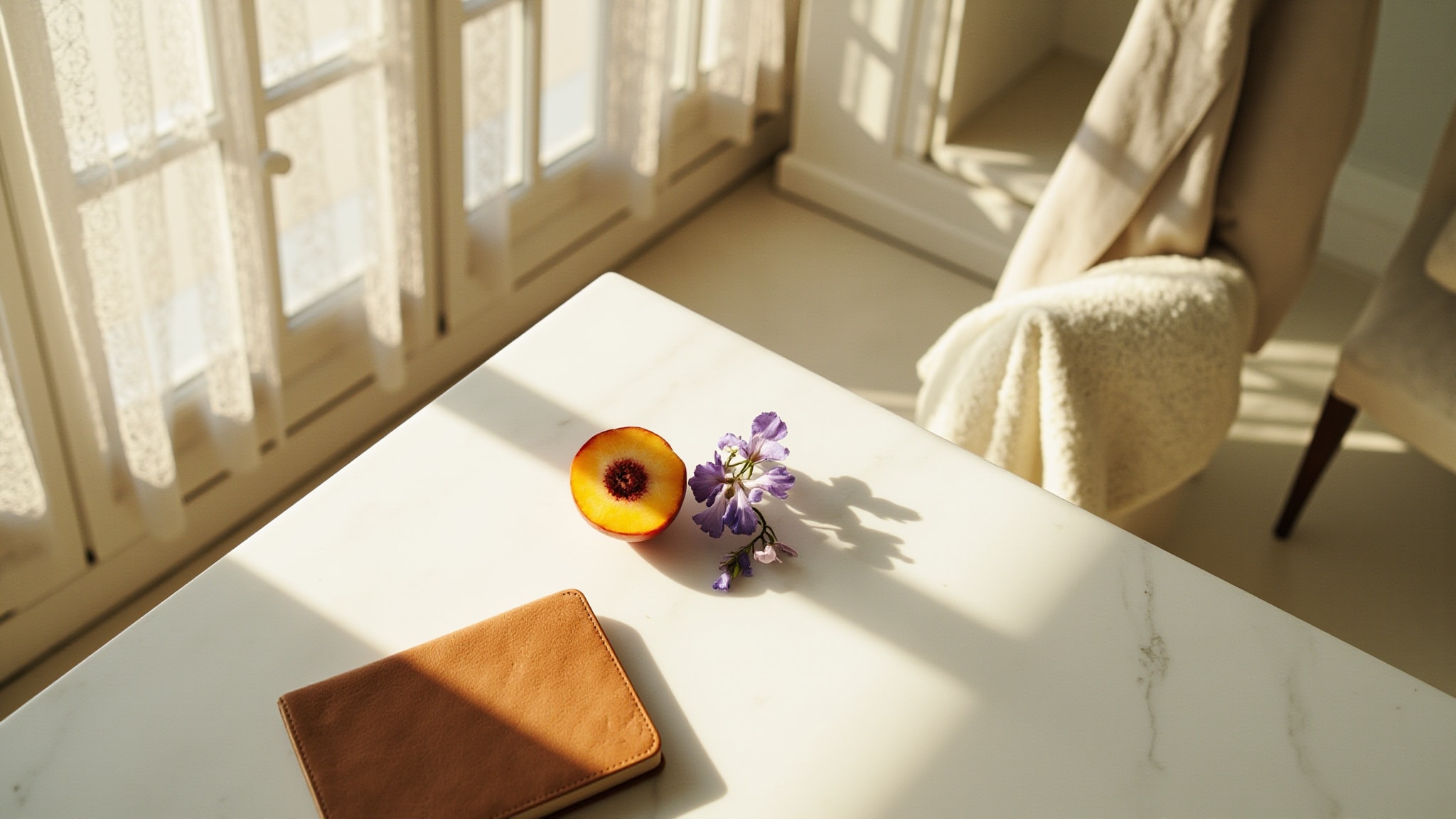
The aldehydes hit first and hit loud. Cold, carbonated, almost mentholated in their brightness. Bergamot and neroli arrive right behind, softening the edge but not dulling it. Peach sits underneath, giving the whole opening a skin-like warmth that keeps the aldehydes from reading as purely abstract. Fifteen minutes in, the florals take over. Lily of the valley, jasmine, ylang-ylang, iris. The powder starts here, gentle, soapy, distinctly French. Two hours in, the scent has settled into something quieter. Sandalwood and vetiver arrive underneath, grounding the bouquet. Benzoin and vanilla add a low amber glow. By hour four, the aldehydes are gone and what's left is a soft, warm, slightly sweet drydown. Musk and ambergris hold everything in place. The next morning, a trace of vanilla and sandalwood on the scarf, like the scent of someone who was here recently and left something behind.
Cultural impact
Eau Arpege holds a distinctive place in the canon of twentieth-century French perfumery, arriving in 1927 with a structure that felt unlike anything on the market at the time. The aldehyde top, that cool, fizzy, almost metallic sparkle, was a relatively new vocabulary in fine fragrance, and pairing it with such an abundant floral heart was an audacious move. You smell it immediately on first spray, that lifted, electric brightness, before the bouquet unfolds underneath, rose and jasmine at the center, surrounded by honeysuckle, lily of the valley, and iris.