The Story
Why it exists.
The beginning
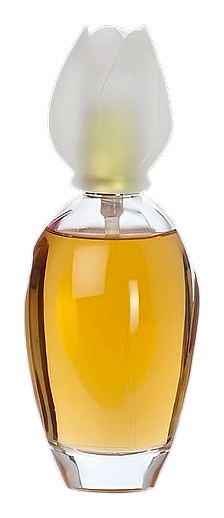
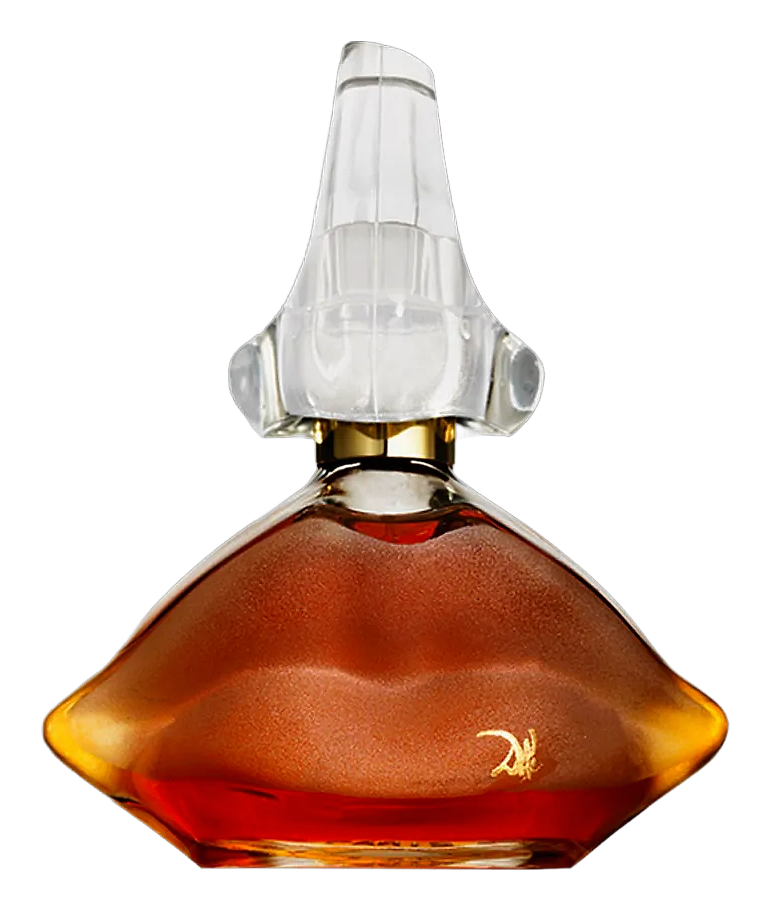
Catalyst Parfum arrived in 1993 as part of the brand's expansion into more pronounced fragrance territory. The original Halston fragrance had established a certain aesthetic in the early 1970s, aldehydic and smoky, a portrait of restraint. By the early 1990s, the brand was exploring different facets of American glamour, and Catalyst became the louder one. A chypre-floral composition built on white flowers and mossy woods, it dropped the cigarette-smoke intimacy of the original and replaced it with projection and presence. The parfum concentration intensified everything: more tuberose, more gardenia, more of that unmistakable Halston insistence that beauty should not whisper. The juice carries a density that announces itself on skin, a bouquet that refuses to behave like a whisper of scent.
What makes Catalyst interesting is the tension between its floral heart and its chypre architecture. The middle is a dense bouquet: tuberose, gardenia, jasmine, narcissus, orange blossom, and rose all competing for attention, yet they don't collapse into muddiness. That's because the base pulls them into shape with oakmoss, sandalwood, and amber, giving the florals a mossy gravity that keeps them from floating away. The interplay creates a composition that feels both rooted and radiant, grounded by earthy depth while soaring with white floral sweetness.
The evolution
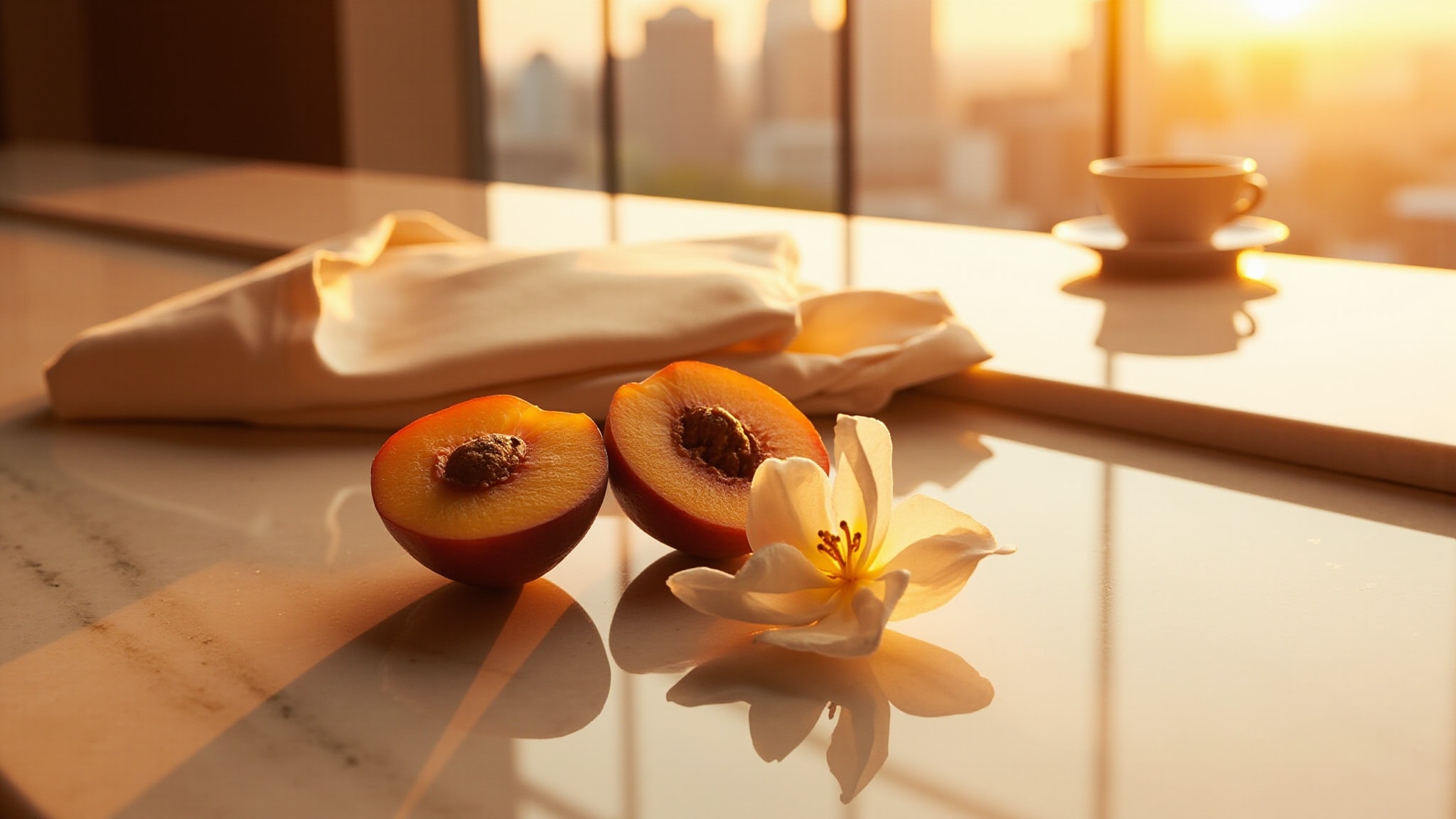
The first thirty minutes are peach and bergamot doing their best work, bright enough to cut through the heavier florals waiting underneath. Gardenia softens the entry. Then the heart opens, and everything arrives at once: tuberose brings its indolic warmth, jasmine adds a green sting, narcissus lends its animalic edge, and rose rounds the whole thing out. For the next three or four hours, the composition sits at full volume, a white floral accord that holds the air around you. Eventually the oakmoss and sandalwood take over, pulling the sweetness down into something warmer and drier. The drydown lasts well into the next morning, a soft amber-skin warmth with traces of the florals still clinging to clothes and hair. The opening accord has a candied quality, peach lending a syrupy sweetness that bergamot sharpens with citrus zest.
Cultural impact
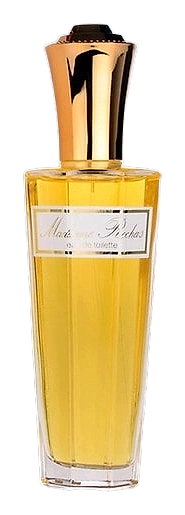
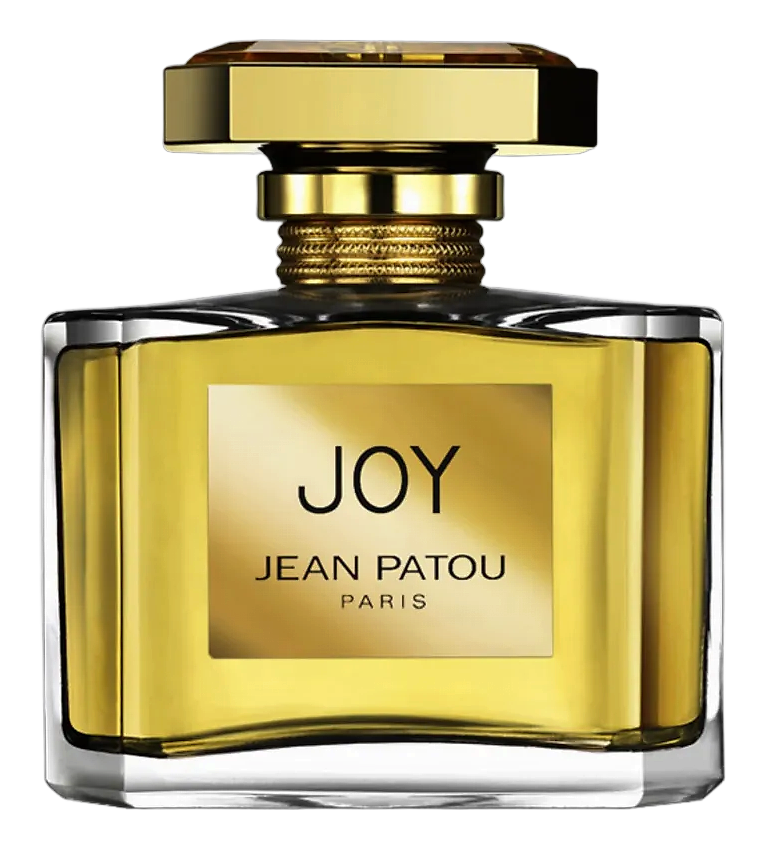
Catalyst sits in a specific corner of 1990s perfumery. It's often mentioned alongside Fracas and Joy as part of the white-floral canon that defined a certain kind of confident femininity, though it carries chypre weight and mossy depth that sets it apart from purely opulent florals. The parfum concentration in particular has a small but devoted following among wearers who want projection without modern synthetics. The composition draws from a tradition of white floral perfumery that runs back decades, yet it filters those references through a 1990s lens.