

Heritage
A house, in its own words
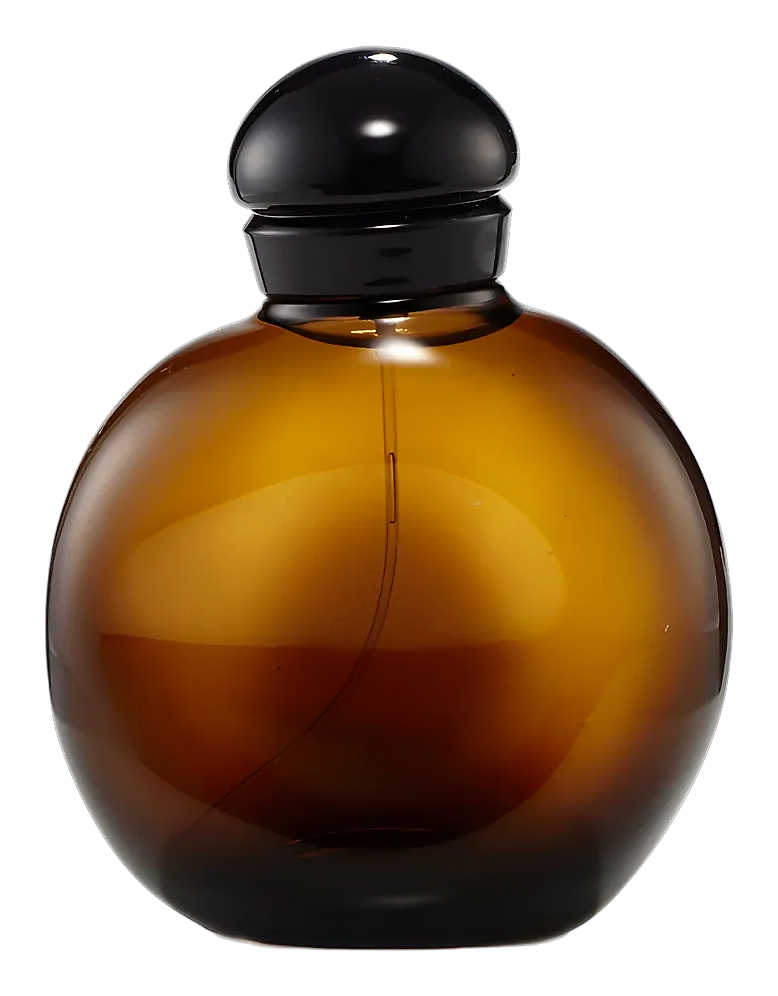
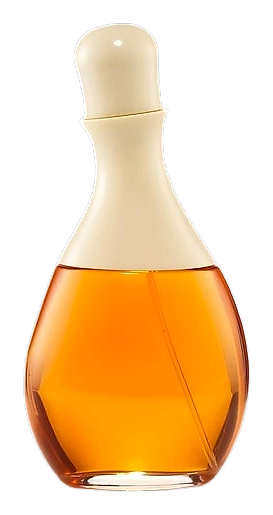
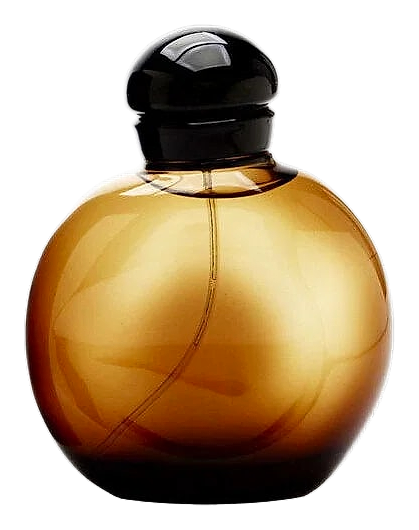
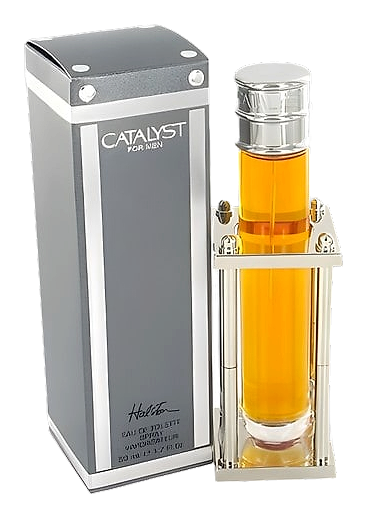
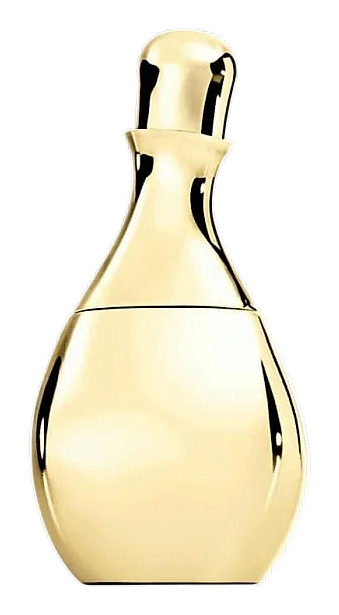
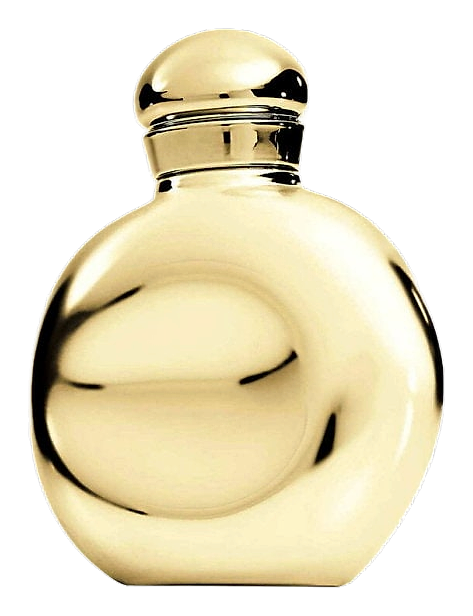
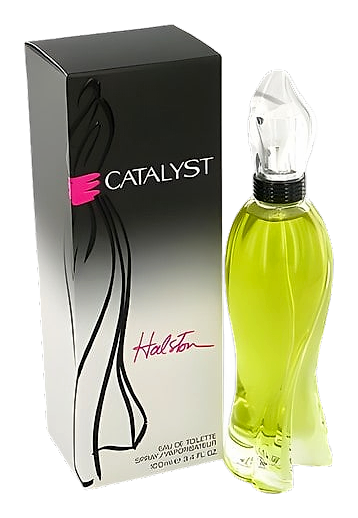
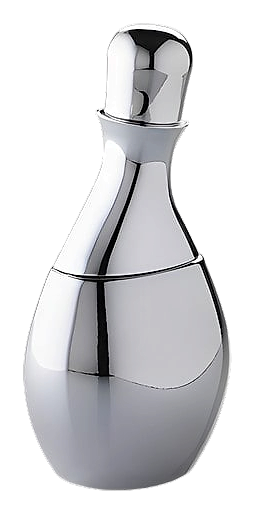
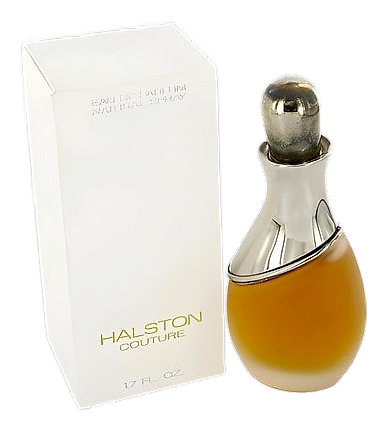
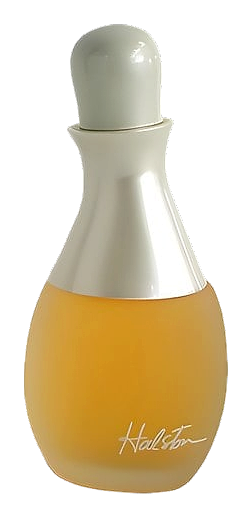
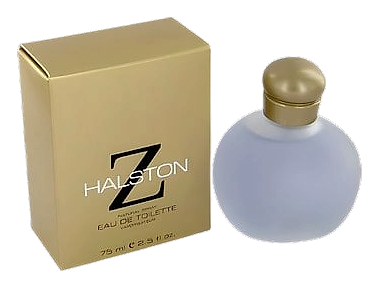
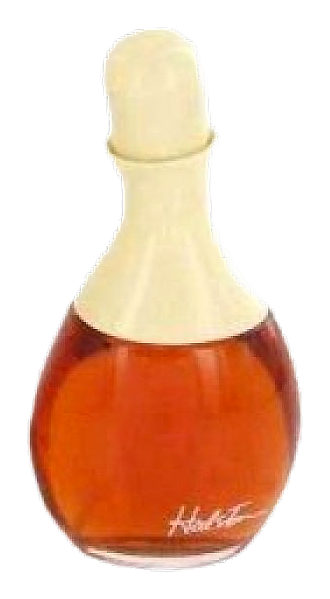
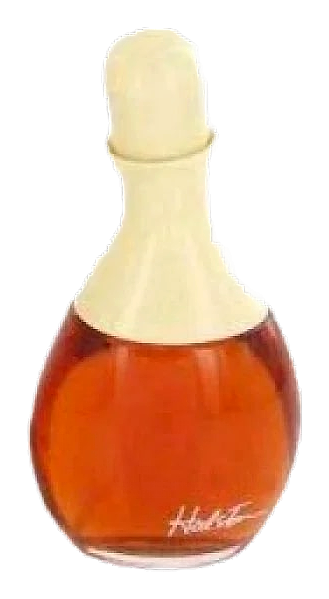
Roy Halston Frowick was born in Des Moines, Iowa, and began designing hats and altering clothes for his mother and sister as a child. A small newspaper article about his hat designs convinced him to open his first shop in 1957. He moved to New York that same year, working for several milliners before eventually becoming head hat designer at Bergdorf Goodman. By the early 1960s, his creations were being worn by Hollywood royalty including Lauren Hutton, Elizabeth Taylor, and Lauren Bacall. Halston expanded into clothing in 1966, introducing what would become his signature fabrics: jersey, cashmere, and ultrasuede. He reinvented the jumpsuit, shirtdress, and caftan, and by the 1970s had become synonymous with the glamour of the decade. Newsweek dubbed him "the premier fashion designer in America." His circle included Andy Warhol, Bianca Jagger, Liza Minnelli, and Anjelica Huston. His model troupe, the Halstonettes, became famous in their own right. After being acquired by Norton Simon Inc in 1973, Halston pursued his first major brand extension: a signature perfume. The fragrance launched in 1975 and achieved extraordinary commercial success, becoming the second top-selling perfume in history after Chanel No. 5, with $85 million in sales within two years. The brand established its own fragrance company in 1976 and continued releasing flankers and new scents throughout the 1980s and 1990s. Halston died in 1990, but his brand has persisted under various owners, including Revlon, which acquired the company around 2001. Halston's philosophy was rooted in democratic luxury. He believed beautiful clothing and premium design should not be confined to the wealthy, and he actively pursued licensing agreements that brought his aesthetic to a wider audience. His ethos was one of simplicity, elegance, and ease, with an emphasis on quality materials used in unexpected ways. In fragrance, this translated to a signature scent that felt intimate and personal rather than aloof. The original Halston perfume captured a specific emotional territory: restrained desire, the warmth of skin, the cool of cigarette smoke curling through a crowded room. Bernard Chant, the perfumer behind the scent, described it as having an almost physical closeness, something that smelled like the person rather than perfume on the person. This intimacy became the house's olfactory signature across its fragrance line, which continued to emphasize warm, enveloping chypres and woody Orientals rather than bright, shouty florals. The house also stood for bold collaboration. Halston's partnership with Elsa Peretti produced one of the most recognizable bottles in fragrance history, a decision that prioritized artistry over convention. The tear-drop glass flacon, stripped of visual branding beyond a simple ribbon, made the object itself the statement.