Vincent Marcello
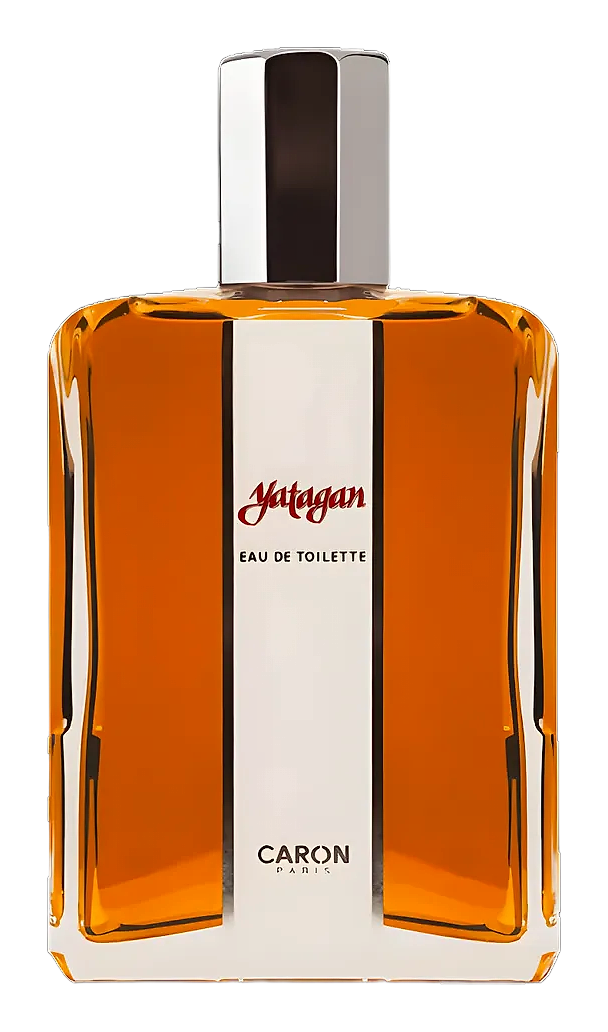
Vincent Marcello arrived in the fragrance world with the quiet confidence of someone who understood raw materials the way a chef understands produce. Trained in the classical French tradition, he spent his formative years mastering the technical rigor required of any serious perfumer before bringing his own vision to bear on some of the most compelling scents of the 1970s. His work for Estée Lauder, the Private Collection in 1973, announced a talent unafraid of complexity, layering sophistication with an edge that felt entirely his own. From there, he moved seamlessly between houses, crafting Halston Z-14 that same era and then Yatagan for Caron in 1978, each fragrance marked by the same restless intelligence and willingness to push against convention. Then, as suddenly as he appeared, Marcello stepped away from the industry entirely. No farewell, no explanation—just silence where a career should have continued. That absence has only deepened his mystique.
The hits
Notable creations




The signature
How Vincent composes
His approach leaned heavily into aromatic complexity with green, herbal notes anchoring his work. Basil, galbanum, mint, and lavender appeared regularly alongside warmer materials like patchouli, coriander, and cinnamon, creating fragrances that felt both structured and unpredictable. He frequently combined these with florals like gardenia and jasmine, always with an undercurrent of something earthy and honest. Oakmoss provided the foundation, lending his creations a grounded quality that kept even his most adventurous formulas feeling real.
Philosophy
What drives Vincent
Marcello believed that fragrance should confront as much as it seduces. He embraced contrast obsessively, pairing nature's rawness with refined sophistication to create compositions that demanded attention rather than merely pleasing it. For him, every great scent needed tension at its core, something unexpected holding the beauty together.
The houses
Maisons Vincent composes for
In the same league