
The Story
Why it exists.
The beginning
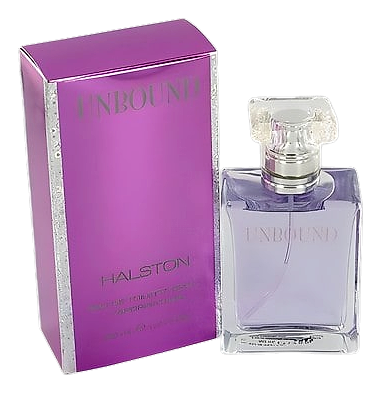
Patricia Bilodeau built Unbound around a specific tension: what happens between the first impression and the lasting memory. Bergamot and Lily of the Valley arrive crisp and dewy, a clean beginning that doesn't announce itself. Then the carnation and tuberose take over, and everything shifts. The 2001 release came at a moment when feminine fragrances were trading restraint for impact, and Unbound found its position in that conversation: accessible enough for daily wear, bold enough to make an impression that outlasted the first hour.
The pyramid is tight, five notes total, nothing extraneous. Bergamot and Lily of the Valley handle the opening with minimal interference from each other, the citrus staying bright while the green-floral adds dewiness without weight. Carnation bridges the gap with its peculiar warmth, neither fully floral nor fully spice, and tuberose takes over as the heart's dominant voice. Amber and cedar in the base aren't loud materials; they work by staying close, wrapping the earlier notes in warmth that reads as skin, not sillage. The structure is efficient by design, democratic luxury, Halston's ethos, applied to composition architecture.
The evolution
The opening hits clean: bergamot brightness, Lily of the Valley's quiet green, no contest between them. About twenty minutes in, the carnation starts its warm intrusion, a slight spiced undertone that most people miss until it's already blending into what comes next. The tuberose doesn't arrive so much as arrive and assert itself. This is where Unbound makes its first impression. On some skin, it's lush and almost creamy. On others, it leans heady, almost indolic. Either way, it's the moment that defines the wear. The amber and cedar take over around the two-hour mark, cooling everything down into something warm and intimate. By hour four, you're mostly getting cedar and skin, with just a trace of what came before. On fabric, it lasts longer. On skin, it stays close.
Cultural impact
Unbound by Halston arrived in 2001 during a period of significant transition in the American fashion and beauty industry. Halston, the brand founded on minimalist 1970s glamour, had struggled to maintain relevance through the 1980s and 1990s. Unbound represented a deliberate pivot toward a younger consumer, one who valued accessibility over exclusivity. The 2001 release came at a time when mass-market fragrances were beginning to challenge the dominance of luxury scents, and Unbound positioned itself squarely in that emerging space. The white-floral trend of the early 2000s was in full swing, with consumers gravitating toward tuberose, gardenia, and lily compositions.