
The Story
Why it exists.
The beginning
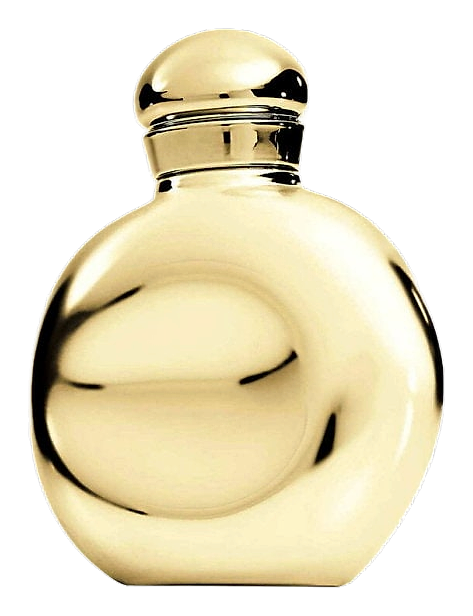
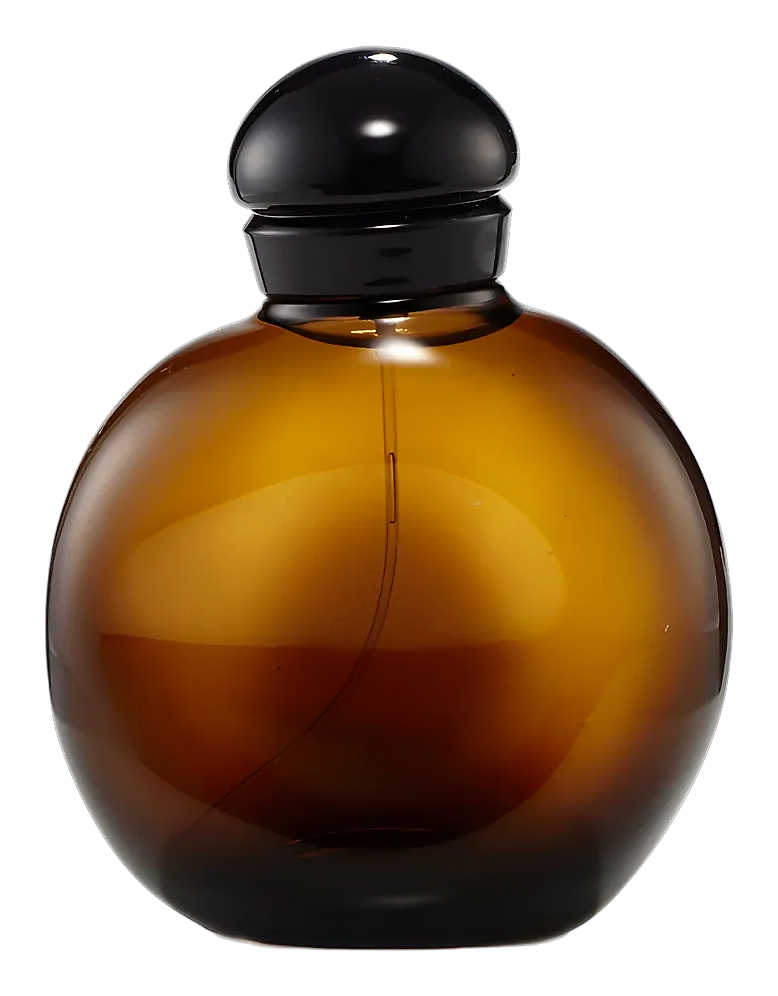
Carlos Benaïm didn't discover Halston in 2009, he already knew the house. Back in 1975, he was the junior perfumer working alongside Bernard Chant on Halston's debut fragrance, one of the best-selling scents of its era. When the house called decades later to modernize Halston Man, Benaïm wasn't starting fresh. He was coming home. His brief: follow the basic idea, but add ingredients that didn't exist in 1975. The result is a modern reverse, honoring the original architecture while building something distinctly contemporary, launched under Elizabeth Arden's license in 2009.
The twist is in the structure. Classic Halston was built on chypre, aldehydic warmth, mossy woods, the warmth of skin and cigarette smoke. Benaïm reversed that formula, keeping the lavender-patchouli-musky framework but rebuilding the foundation with 2009 materials. The artemisia and passion fruit don't just open the scent, they reposition it, moving from the intimacy of the original into something with more air, more distance. Less Studio 54 fog, more Studio 54 entrance.
The evolution
The top notes arrive quick and bright, citrus, passion fruit, artemisia, with the herbal note providing immediate structure. There's a coolness here that reads as confident rather than cold. Within twenty minutes, the heart takes over: lavender, mint, and cardamom in an aromatic middle that shifts the temperature warmer, more intimate. The mint keeps it clear-headed, awake, not aggressive. The base settles slowly, patchouli and labdanum creating an earthy, resinous anchor that lasts for hours on most skin types. The musk stays close, skin-warm rather than room-filling, and the patchouli lingers longest, the last note to leave, eventually fading to a faint trace that reads as memory rather than presence.
Cultural impact
Discontinued now, Halston Man has found a second life among collectors who seek out what the mainstream moved past. The fragrance occupies an interesting position: it carries the DNA of one of perfumery's most celebrated fougères while offering something quieter and more modern than the original. Wearers tend to be people who know their fragrances, who recognize the lavender-patchouli-musky architecture and appreciate what Benaïm did with it.