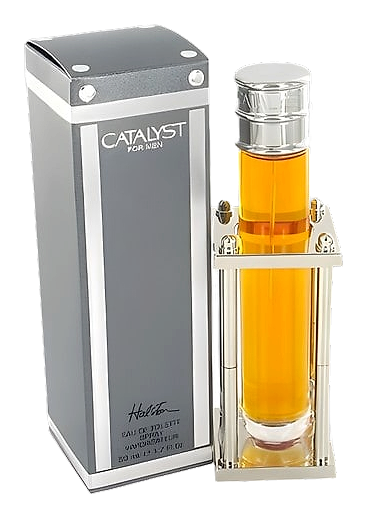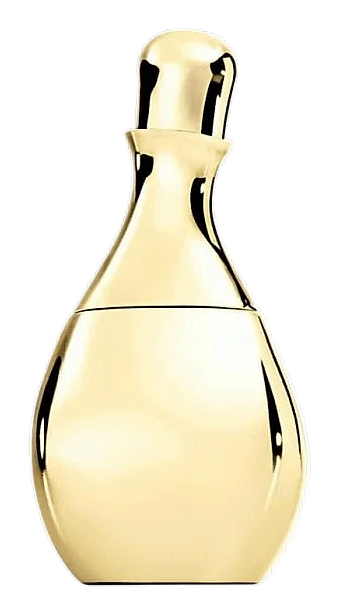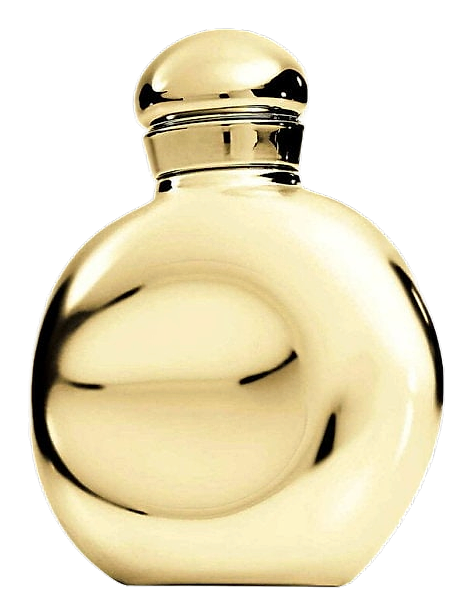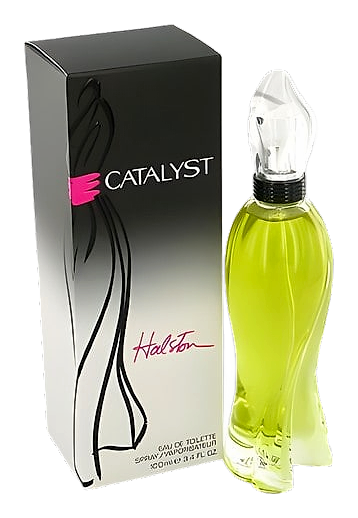

The Story
Why it exists.
The beginning
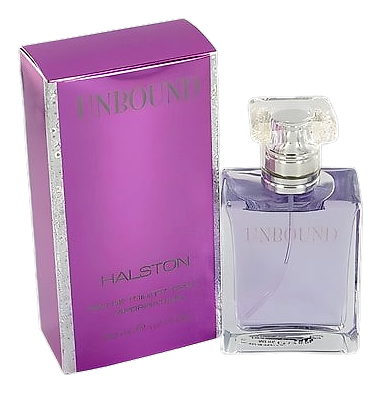
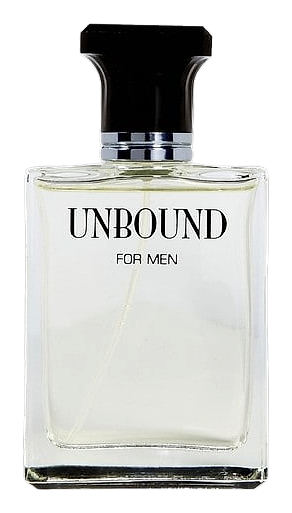
The name is the brief. Unbound. In 2002, men's fragrance was still working through the loud decade that preceded it, aggressive orientals, powerhouse ambers, the idea that strength meant volume. The house tasked a perfumer with something different: a male scent that moved freely, that didn't perform masculinity so much as simply have it. The result leaned into green freshness and powdery violet instead of the expected intensity. Not shouting. Present.
What makes Unbound for Men structurally interesting is where it places its tension. The opening is aggressively green, tomato leaf and palm leaf giving it a crushed-garden quality that reads fresh without citrus sharpness. The heart introduces white violet, which is unusual in men's fragrance; violet carries a powdery, almost textile character that bridges the green opening into something warmer. Sage and birch add an aromatic fougère backbone without going full men's-clubhouse. The base is where it earns its restraint: musk and sandalwood keep things intimate, oakmoss adds depth without heaviness, and tonka bean rounds the edges into something softly warm.
The evolution
The opening arrives crisp and vegetal. Tomato leaf dominates initially, green and slightly bitter, with blackcurrant adding a fruity undertone that keeps it from feeling too garden-y. Within 15 minutes, the green note softens and the violet begins to assert itself, the powdery floral quality creates an unexpected shift, as if the scent remembered it was supposed to smell like a person, not a plant. The heart unfolds over the next 2-3 hours: sage and cardamom introduce a warm spice that builds gradually, never loud, just present. The birch adds a faint fougère quality, grounding the violet with an aromatic complexity. Then the base takes over. Musk and sandalwood arrive quietly, oakmoss adding a mossy depth that gives the drydown weight without projection. The tonka bean sweetens the finish just slightly.
Cultural impact
Unbound for Men arrived during a period when men's fragrance was still dominated by bold, assertive compositions. It carved a different path: green, powdery, and quietly confident. The scent offers an alternative to the extremes, neither shouting nor disappearing. Its use of violet in this context brings something unexpected to the masculine olfactory landscape. The fragrance occupies a timeless middle ground, the kind of scent that remains wearable years after trends have cycled through, appealing to those who prefer presence over projection.
The House
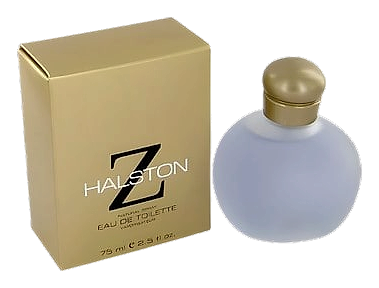
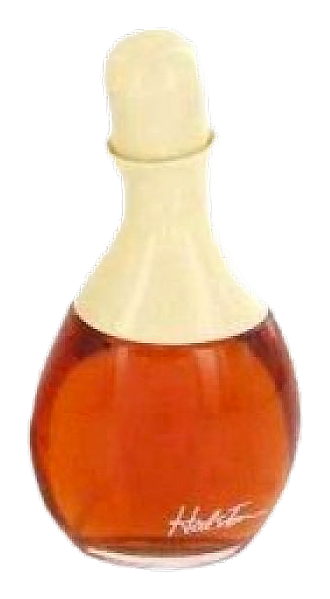
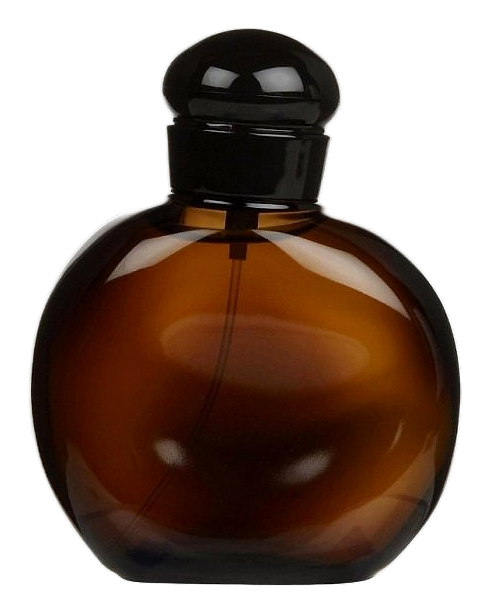
HalstonHalston defined American glamour in the 1970s, and its debut fragrance sealed that legacy into a bottle. Created by designer Roy Halston Frowick and launched in 1975, the scent became one of the best-selling perfumes in history within two years of its release. More than a fragrance, it was an attitude, a mood, a whiff of Studio 54 smoke and cashmere wrapped into aldehydic warmth. Today, the house continues to influence both fashion and fragrance, standing for accessible luxury that never compromises on sophistication.
The Creator
MichaelPaul's style reflects his unconventional background. He favors compositions that reveal themselves gradually, matching the patient build of a magic trick.