
The Story
Why it exists.
The beginning
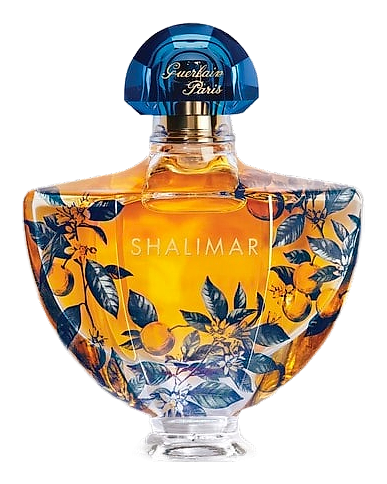
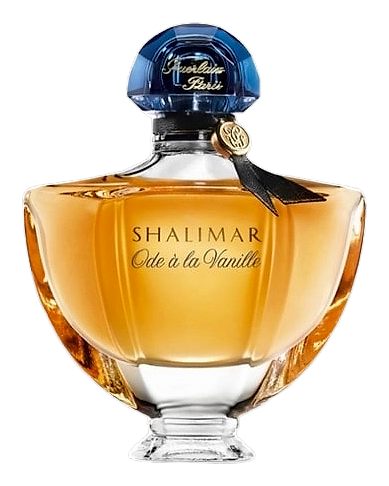
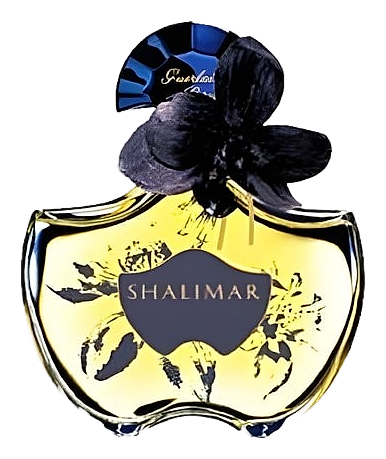
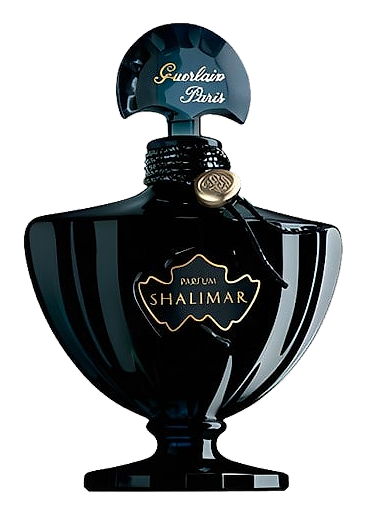
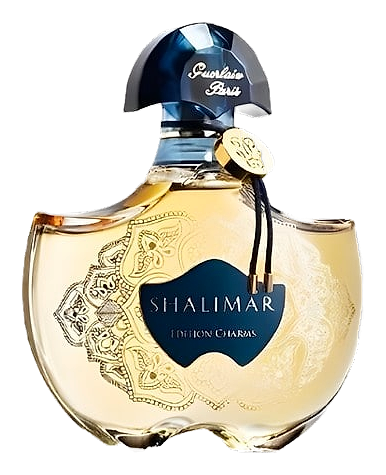
Jacques Guerlain composed Shalimar Édition Charms in 2010 as a collector's celebration of the house's most iconic creation. Rather than a flanker or reinterpretation, this was positioned as a direct homage, a limited bottle preserving what made the 1925 original worth collecting in the first place. The Édition Charms name signals something curated, deliberate. A fragrance for someone who already knows why Shalimar matters.
The note structure pulls no punches. Cedar and citrus open clean, signaling this is still a Guerlain, structured, classical, French. The heart layers jasmine against vetiver and iris, a powdery-floral combination that connects this edition to the original's era. But it's the base where Guerlain earns their reputation. Opoponax, sweet myrrh, sometimes called labdanum's warmer cousin, paired with civet creates an animalic warmth that most contemporary houses eliminate entirely. This isn't accidental. The house kept it.
The evolution
The opening arrives crisp and deliberate. Lemon, bergamot, a flicker of mandarin, nothing waits. Within fifteen minutes, cedar settles and the citruses recede, leaving room for jasmine and rose to emerge, dusted with iris powder. An hour in, the vanilla appears, not loud, but certain. Patchouli and sandalwood build underneath. By hour three, the leather and incense surface, warm and resinous. The civet is the tell. It doesn't announce itself. It lingers, animalic and close, for hours after everything else softens. On fabric, this fragrance can be detected the next morning. On skin, it's intimate, present for whoever leans in.
Cultural impact
Shalimar Édition Charms arrived in 2010 as a collector's celebration, not a repositioning or a market play. For fragrance collectors, it represents a direct line to the original 1925 vision, composed by the house's most celebrated nose. The civet and opoponax in the base mark it as a fragrance made without compromise, the kind of structure that defines what Guerlain means when they invoke their heritage.
The House
GuerlainGuerlain stands as one of the oldest and most revered perfume houses in the world, founded in Paris in 1828 by Pierre-François-Pascal Guerlain. What began as a boutique on rue de Rivoli quickly became the preferred destination for Parisian society, attracting dandies and elegant women who sought custom-crafted fragrances. The house's influence grew to such heights that Guerlain earned the title of Official Perfumer to Napoleon III after presenting Eau de Cologne Impériale to Empress Eugénie as a wedding gift in 1853. This royal patronage marked the beginning of Guerlain's enduring association with European aristocracy, as the house went on to create fragrances for Queen Victoria and Queen Isabella II of Spain. Today, under the creative direction of Thierry Wasser, the fifth-generation perfumer, Guerlain continues to shape the landscape of fine fragrance with a portfolio spanning over 1,100 olfactory creations. The house remains headquartered at its legendary Champs-Élysées mansion, a historic monument that anchors Guerlain's position at the intersection of heritage and contemporary luxury.
The Creator
Jacques GuerlainJacques was among the first perfumers to work seriously with synthetic ingredients alongside naturals, publishing on essential oils with chemist Justin Dupont and experimenting with perfuming ink. His technical approach was precise: volume measurements for liquids, careful wei…