
The Story
Why it exists.
The beginning
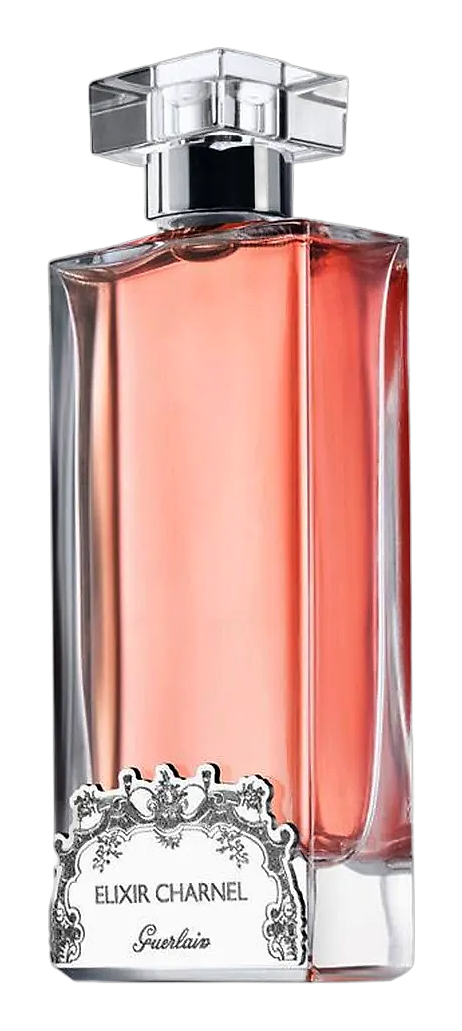
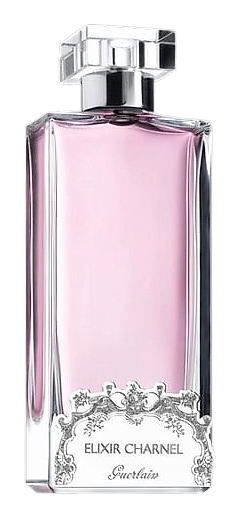
The Elixir Charnel collection arrived in 2008, a series of concentrated extraits that explored sensuality through an olfactory lens. Charnel here doesn't mean morbid, it means of the body, the flesh, the intimate. Christine Nagel and Sylvaine Delacourte built Oriental Brulant as an argument: that warmth and sweetness can carry the weight of a classic house without apology. The name itself, Brulant, French for burning or scorching, promises heat. What it delivers is something more complex: a gentle fire, the kind that warms without destroying.
The note structure is where this fragrance earns its Guerlain credentials. The Guerlinade, the house's signature accord, threads through the base, giving familiar materials a specificity that copy-paste perfumery can't replicate. Styrax adds a balsamic depth with a slight animalic edge, the kind of resin that smells like something ancient and warm. The almond doesn't read as marzipan or play-dough, it's almond milk, warm, slightly nutty, balanced by a vanilla that remembers it came from a pod, not a bottle. That's the difference between a fragrance that smells sweet and one that smells edible.
The evolution
The opening arrives bright, tangerine, a quick citrus flash that disappears within minutes. Then the almond cream arrives and stays. The heart is where this fragrance lives longest, a warm spiced sweetness that feels almost edible without tipping into confection. Eight to ten hours on most skin. The drydown is where the Guerlain signature announces itself: vanilla and tonka bean settle close, skin-warm, intimate. The sillage is moderate, it won't fill a room, but it'll follow you into one. What lingers most is the styrax, a resinous warmth that stays present even the next morning, on fabric, on skin, refusing to fully leave.
Cultural impact
The Elixir Charnel series represented Guerlain's concentrated take on sensuality in fragrance. Oriental Brulant became the standout for those who wanted warmth without sacrificing refinement. It's been called a tender fist in the eye, soft on the surface, with presence underneath.