The Story
Why it exists.
The beginning
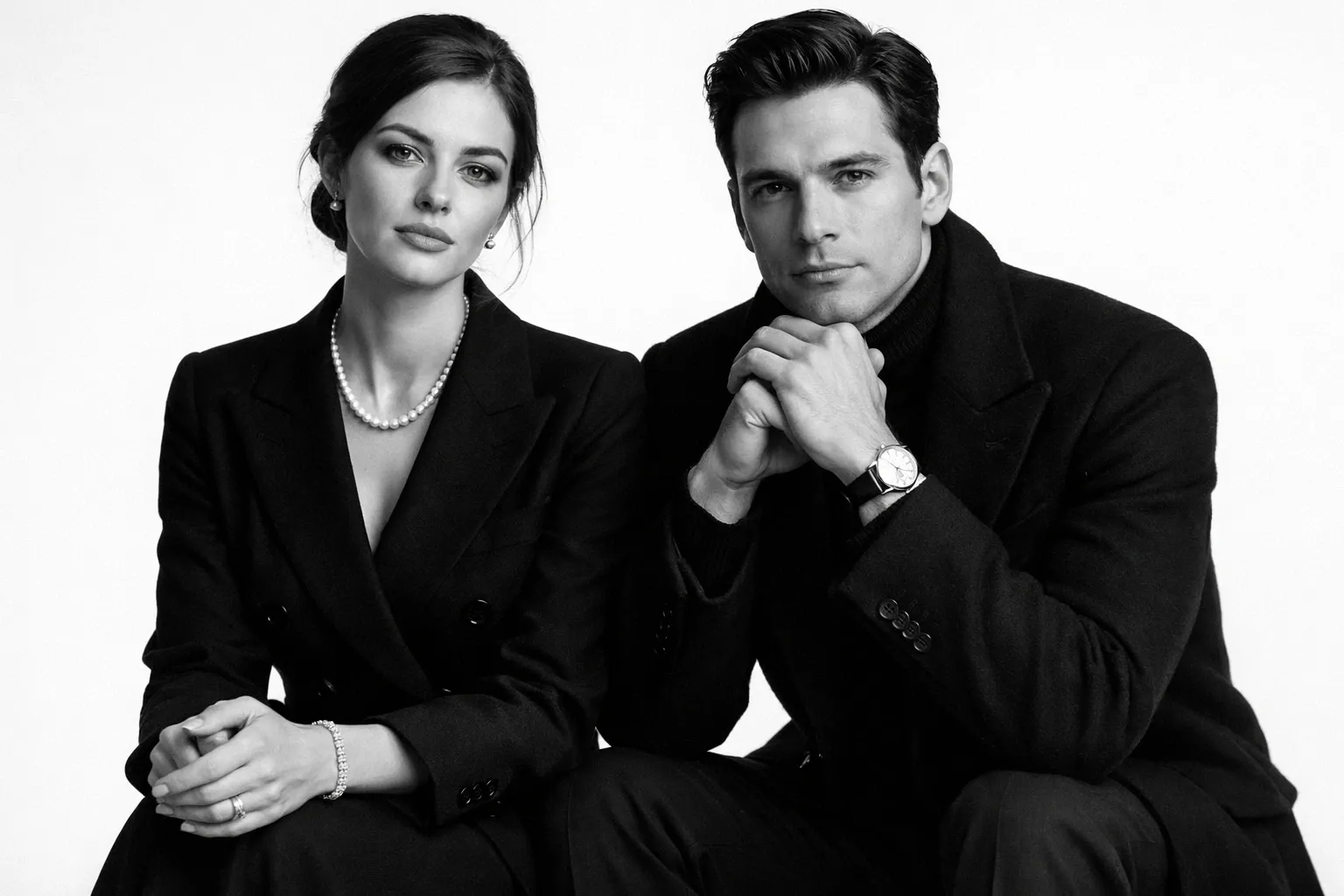
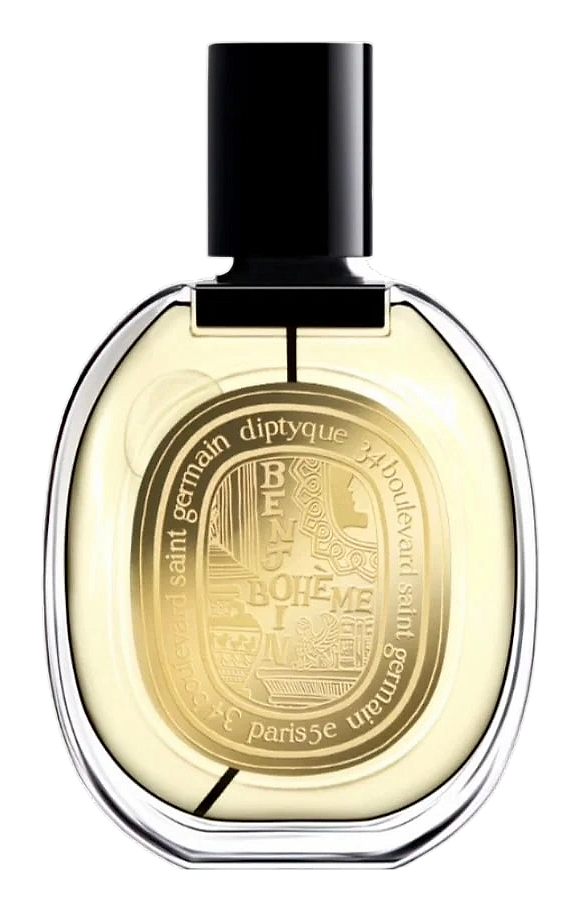
An olfactory portrait of a dandy perfumed with benzoin and spices, this was Diptyque's brief for Benjoin Bohème, released in 2015 under the hand of perfumer Olivier Pescheux. The brief was specific: a character study in resin and refinement. Not a season, not a place, a person. Someone who understood that scent is a form of autobiography, written in benzoin and sandalwood rather than ink. Pescheux translated this into a fragrance that behaves like memory itself: warm at the opening, intimate at the drydown, present long after the conversation has ended.
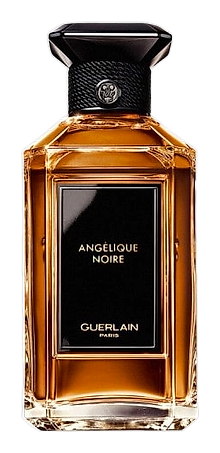
What makes Benjoin Bohème distinctive is the benzoin. Not as a supporting note or a base-layer afterthought, but as the compositional spine, the material that holds everything else in place. Laotian benzoin brings a sweet, vanillic warmth that borders on powdery, softened further by Peru balsam and the dry herbal whisper of cistus. But angelica arrives like a cool breath through an open window, green, slightly medicinal, unexpected in an amber-forward composition. Without it, this would be a straightforward oriental. With it, there's a tension: warmth that almost becomes cool, sweetness that teeters on the edge of something more austere.
The evolution
The opening arrives warm and immediate, benzoin's sweet balsamic richness fills the space closest to the skin within minutes. There's no sharp transition, no citrus top note to herald the arrival. The fragrance simply opens like a door into a warm room. Within the first hour, the angelica surfaces, a cool, green thread that cuts across the sweetness like a breeze through a window left open. It doesn't fight the benzoin; it contextualizes it. The sandalwood arrives around the 90-minute mark, creamy and soft, carrying the composition into its heart phase. This is where the fragrance feels most like its name: the bohemian dandy, dressed in warm layers, comfortable in their own skin. The drydown is where Benjoin Bohème earns its reputation. Lasting 8 to 10 hours on most skin types, it settles into a quiet intimacy, a warm, powdery residue that clings to wool and cotton, occasionally resurfacing as a brief whisper of benzoin and patchouli. On fabric, the longevity extends even further, sometimes detectable the following day.
Cultural impact
Benjoin Bohème occupies a specific niche in the Diptyque catalog: for the wearer who wants warmth without weight, presence without projection. The fragrance's moderate sillage has drawn both admiration and frustration, admiration from those who appreciate its intimate nature, frustration from those who expect more from a benzoin-forward composition at this price point. What no one disputes is the quality of the blending. The community consistently rates the scent itself highly, with particular praise for how seamlessly the angelica weaves through the balsamic warmth. It's the kind of fragrance that divides people on first spray and converts them by the drydown.