
The Story
Why it exists.
The beginning
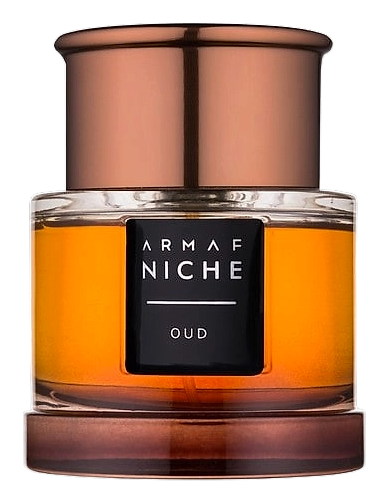
Armaf entered the fragrance market as a challenger brand, positioned to offer concentrated perfumes at a fraction of the cost of established houses. By the early 2010s, oud had saturated niche perfumery to the point of cliché, most interpretations fell into one of two categories: traditional Arabian formulas or Western palatability plays. Armaf took neither route. Instead, the brand treated oud wood as a raw material and surrounded it with contemporary notes like bergamot, sage, and black pepper, creating a bridge between cultural tradition and modern taste. The Niche Oud collection became Armaf's statement that quality and accessibility could coexist.
The note structure is deliberate: aromatic spices lead because they create immediate recognition and presence, the woody heart grounds that initial impact in something structured and dry, and the warm base extends the experience into lasting territory. This philosophy shapes the fragrance from first spray to final hours. The cedar-pepper combination in the heart provides the drydown with its leather and patchouli character, a textured foundation that emerges as the spices settle. Meanwhile, the powdery iris balances the warmth of amber and vanilla, preventing the base from becoming purely sweet.
The evolution
The opening phase announces itself immediately: caraway's warm anise character mingles with sage's herby depth while bergamot adds citrus brightness that cuts through the spice. This aromatic-citrus introduction is designed for impact, something that announces presence without requiring patience. Within fifteen minutes, black pepper and cedarwood arrive in the heart, asserting dry woody weight with cracked spice precision. Iris softens the transition, adding powdery floral elegance that prevents the heart from becoming blunt. The drydown shifts into amber and vanilla warmth, patchouli providing resinous depth beneath leather's textured presence. The progression is logical, each phase building on the last, with nothing jarring or out of place. The real achievement here is how the earthy, resinous oud foundation supports the aromatic and citrus elements rather than competing with them.
Cultural impact
Oud had become both a status symbol and a cliché in niche perfumery by the early 2010s. The note's rise had brought it into the mainstream, but with that popularity came a certain fatigue. Wearers grew wary of heavy, animalic concentrations that announced themselves before the wearer was ready. In this landscape, a fragrance that treated oud with restraint rather than bombast offered something different, a way to engage with the note without the weight of tradition or the expectation of intensity. This approach found an audience among wearers who wanted sophistication without specificity.