
The Story
Why it exists.
The beginning
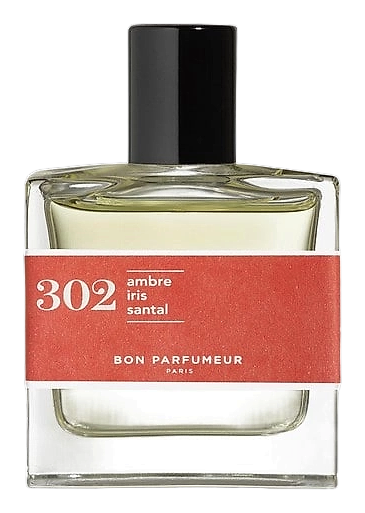
The name says it all: a sleepless night, a late jazz set, a sax holding one note until the room goes quiet. Bon Parfumeur's numbered system strips away the usual perfume mythology, no origin stories rooted in distant continents, no exaggerated ingredient claims. Just a three-digit code, a note list, and a composition that needs no explanation. 302 exists because sometimes the best fragrances start with a feeling rather than a concept. The brief was simple: amber, iris, sandalwood. The result is something that smells like the end of a night that didn't want to end.
What makes 302 interesting isn't any single note, it's how Sidonie Lancesseur arranged them. Amber and sandalwood are familiar, comfortable materials. Incense and vanilla turn them warmer, stranger, more intimate. The iris doesn't shout for attention; it provides the powdery bridge between the cozy heart and the wood base. Red berries in the top are the real surprise, a fleeting brightness that pulls you in before the incense takes over. It's this contrast between fruity opening and smoky heart that gives 302 its character. Not quite what you expected. Exactly what you needed.
The evolution
It starts brighter than expected. Geranium and red berries arrive together, tart, clean, slightly sweet. The raspberry note in particular catches attention in those first minutes. Then the incense slides in. It doesn't announce itself; it simply takes over, smoke threading through the composition until the berries are a memory. Vanilla keeps the smoke warm rather than harsh. Iris adds a powdery softness that prevents anything from going too dark. By the second hour, the drydown has arrived. Amber and sandalwood anchor everything, with sandalwood staying close to the skin, intimate rather than projecting. Musk adds depth without sweetness. The incense hangs on longest, a ghost of smoke that persists past everything else. Morning after, it's still there on fabric. The payoff for the patient.
Cultural impact
The amber-rich fragrance wave emerged from nostalgia for 1970s perfumery but adapted for modern tastes, using cleaner formulations that appeal to consumers seeking warmth without heaviness. Bon Parfumeur represents the indie fragrance movement that challenged the dominance of traditional luxury houses by offering transparent formulas at reasonable prices. This democratization of perfumery shifted how consumers approach fragrance selection, moving from brand prestige to ingredient quality and personal resonance.