
The Story
Why it exists.
The beginning
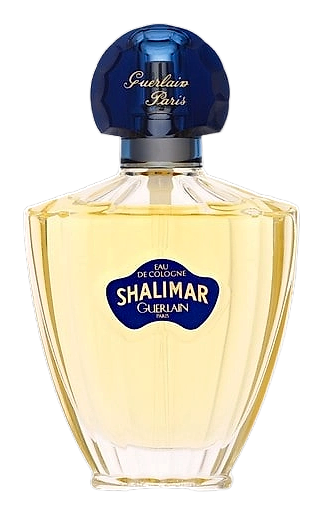
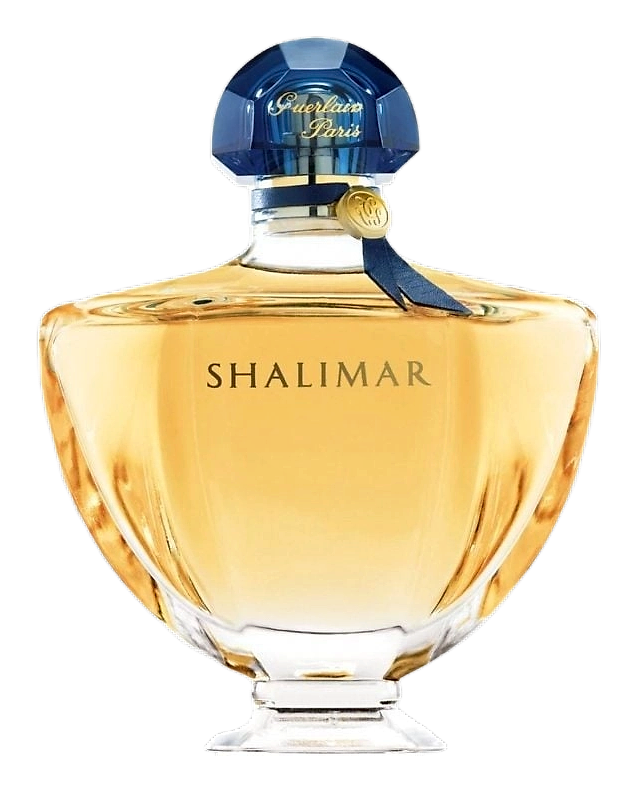
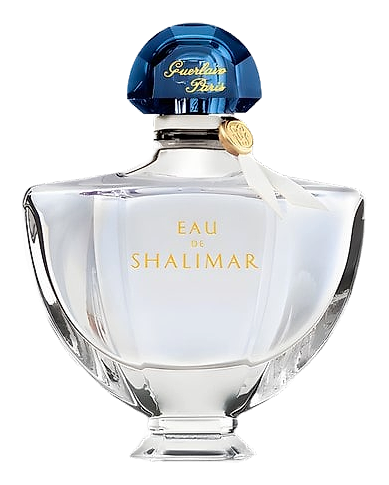
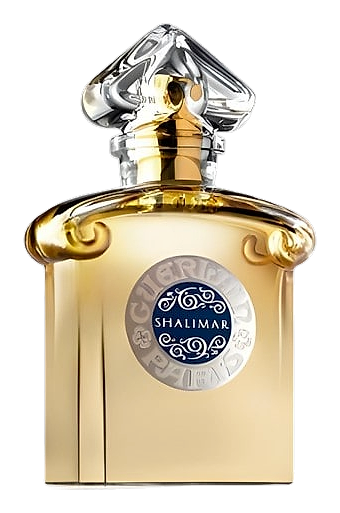
The name Shalimar comes from the Persian gardens that Mughal Emperor Shah Jahan built for his wife Mumtaz Mahal, gardens of love, the purest kind of pleasure, a story that ends in the Taj Mahal. Jacques Guerlain borrowed that legend in 1925 and created one of the most enduring fragrances in history. For Guerlain's 180th anniversary in 2008, the house revisited the saga with a limited edition dressed in matt gold and transparent golden belts, opulent, special, and impossible to miss.
The yellow gold flacon matters. Guerlain chose it deliberately, the color of the original Shalimar's warmth, the color of anniversaries worth marking. The composition doubles down on what made the original legendary: bergamot and cedar at the top, iris and jasmine in the heart, vanilla and leather anchoring everything that follows. The civet and opoponax add an animalic depth that keeps the drydown from being merely sweet. Together these elements create a warm, enveloping presence that speaks to the fragrance's heritage and the care that went into its reimagining.
The evolution
The opening offers bright citrus oils that lift the cedar, a Mandarins-and-Lemon sparkle that stands out. The iris arrives with its powdery, slightly rooty character, the scent of violet pastilles dissolved in warm air. Jasmine brings a creamy softness to the heart, while rose adds quiet depth that keeps things balanced. Vanilla absolute meets leather in the base, while incense breathes through the composition. Civet lingers, adding an animalic dimension that grounds the sweeter elements and prevents the fragrance from becoming one-dimensional. The drydown unfolds gradually, revealing layer after layer of warmth and complexity.
Cultural impact
Shalimar has long held a special place among oriental fragrances. The 2008 Yellow Gold edition occupies a specific place: among collectors who understand Guerlain's history, and among fragrance lovers who want the legend in a more opulent bottle. It arrived as a celebration of an anniversary, which means wearing it carries a certain weight, and a certain occasion. The deeper gold presentation and refined composition make it a worthy addition to any collection focused on the house's defining works.
The House
GuerlainGuerlain stands as one of the oldest and most revered perfume houses in the world, founded in Paris in 1828 by Pierre-François-Pascal Guerlain. What began as a boutique on rue de Rivoli quickly became the preferred destination for Parisian society, attracting dandies and elegant women who sought custom-crafted fragrances. The house's influence grew to such heights that Guerlain earned the title of Official Perfumer to Napoleon III after presenting Eau de Cologne Impériale to Empress Eugénie as a wedding gift in 1853. This royal patronage marked the beginning of Guerlain's enduring association with European aristocracy, as the house went on to create fragrances for Queen Victoria and Queen Isabella II of Spain. Today, under the creative direction of Thierry Wasser, the fifth-generation perfumer, Guerlain continues to shape the landscape of fine fragrance with a portfolio spanning over 1,100 olfactory creations. The house remains headquartered at its legendary Champs-Élysées mansion, a historic monument that anchors Guerlain's position at the intersection of heritage and contemporary luxury.
The Creator
Jacques GuerlainJacques was among the first perfumers to work seriously with synthetic ingredients alongside naturals, publishing on essential oils with chemist Justin Dupont and experimenting with perfuming ink. His technical approach was precise: volume measurements for liquids, careful wei…