The Story
Why it exists.
The beginning
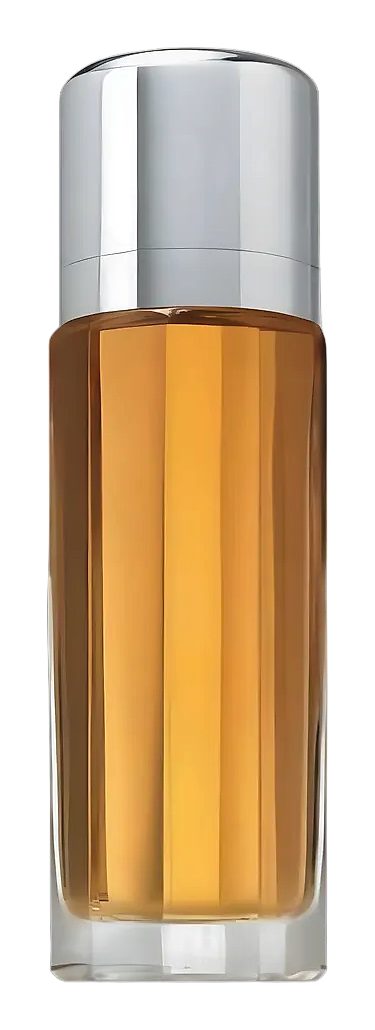
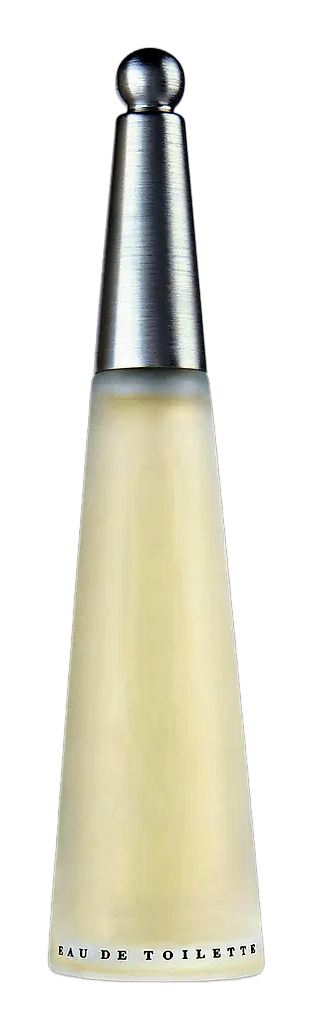
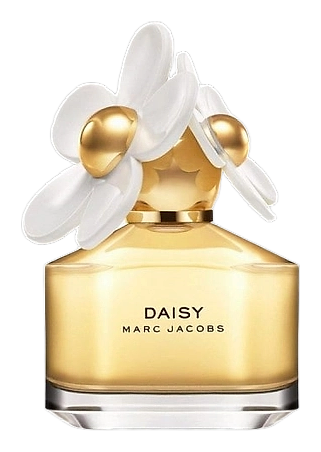
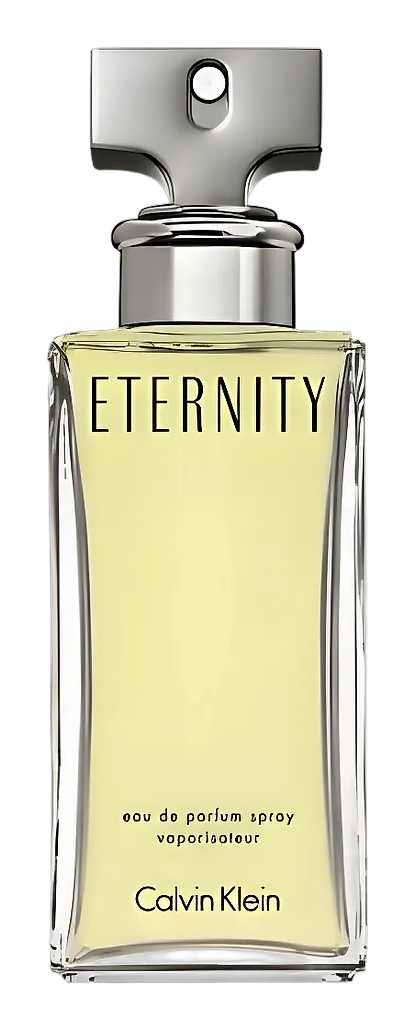
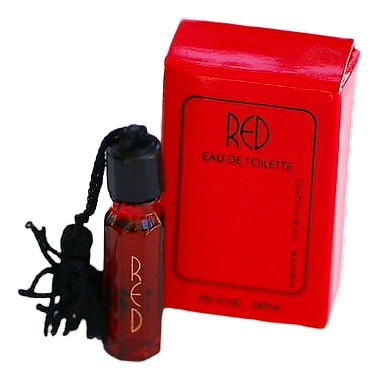
Red arrived in 1976 from Geoffrey Beene, carrying the same architectural discipline that defined the house's earlier fragrance work. Pierre Dinand designed the bottle, a creator whose name had become synonymous with thoughtful, architectural flacon design. The fragrance itself was a chypre floral, a structure with deep roots in French perfumery, and here it gained something distinctly American in its crispness and lift. The composition treated stone fruit with unusual seriousness, layering mirabelle plum and lychee against aldehydes in a way that felt modern for the period. Red won the Fragrance Foundation's Packaging of the Year award in 1977, and the bottle itself became a collector's piece, its clean geometry standing apart from the ornate flacons that dominated the era.
The aldehydes in the opening are what make this composition distinctive. They sit cool and almost soapy on the skin, lifting the stone fruit rather than smothering it, and they give the whole composition a crystalline clarity that warmer chypres of the period often lack. The fruit notes, particularly lychee and mirabelle plum, were an unusual pairing for a chypre in 1976, and they remain the most surprising element of the fragrance today. Rather than reading as simple sweetness, the fruit gets filtered through that aldehydic haze, turning into something more abstract and slightly metallic.
The evolution
The first ten minutes belong to the aldehydes. They arrive sharp and cool, almost like the smell of cold air over warm skin, and they sit above the fruit rather than blending into it. Amalfi lemon adds a bright citrus edge, but the aldehydes keep it from feeling simple. The peach and mirabelle plum are there from the start, but they stay muted, waiting. Around the thirty-minute mark, the aldehydes begin to soften and the white florals start to take over. Rose, orange blossom, jasmine, cyclamen, and lily of the valley arrive together, creating a dense, slightly powdery bouquet. The fruit is still present underneath, but it has shifted from fresh-picked to jam-like, warmer and rounder. This is the most traditional phase of the fragrance, the point where it could be a dozen other white florals from the same era. That feeling lasts maybe an hour. Then the base shows up.
Cultural impact
Red has remained rarer and more collectible than many of its peers, particularly after production was discontinued. It is a chypre floral built on the same architectural logic that runs through the rest of the Geoffrey Beene fragrance line: precise, structured, and unapologetically composed. Where many florals of the late 1970s leaned into sweetness or sheer decoration, Red offered backbone. Wearers tend to be people who want florals with weight and intention, not just pretty openings.