Pierre Dinand
Pierre Dinand was born in Paris in 1931, the son of an engineer, and began his art studies in the city in the early 1950s. After his studies at the École Nationale des Beaux-Arts de Paris, he founded Ateliers Dinand in 1968, a design agency that would quietly reshape how the world sees fragrance. His entry into perfumery came through Rochas, where he designed bottles for the house, including Madame Rochas, and discovered his calling. Over a career spanning more than sixty years, Dinand has created over a thousand perfume bottles, earning a reputation as the most celebrated vessel designer in the industry. His portfolio reads like a roll call of twentieth century fragrance history, from YSL's Opium to Calvin Klein's Obsession, Givenchy's Amarige, and Paco Rabanne's Phantom. Working from Paris, he has collaborated with the greatest names in French perfumery, translating liquid compositions into objects that carry their own meaning. His work bridges fine art tradition and industrial precision, giving perfume a visual language that endures long after the scent fades from skin.
The hits
Notable creations

The signature
How Pierre composes
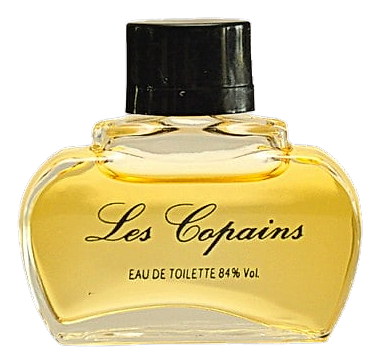
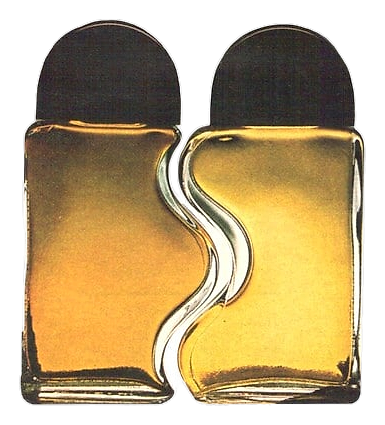
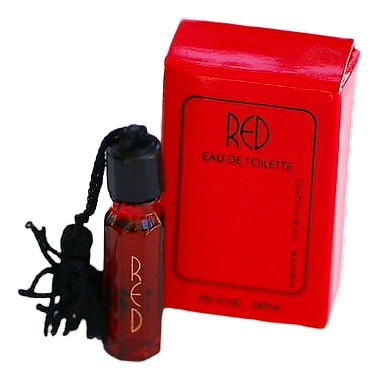
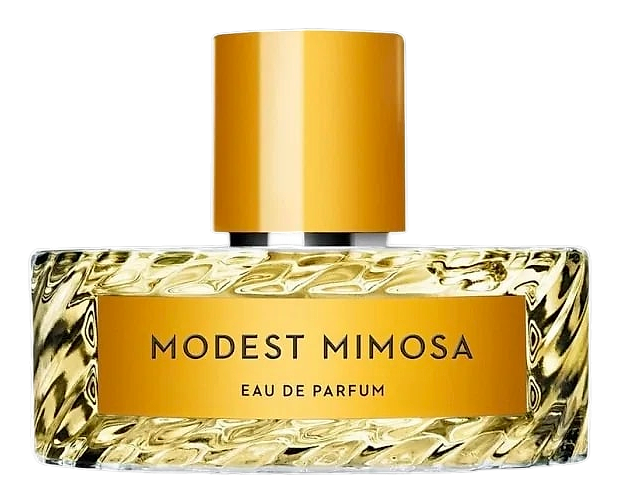
Dinand's signature lies in sculptural boldness married to tactile precision. He gravitates toward strong geometric statements: heavy bases, architectural shoulders, caps that function almost as separate artworks. His bottles tend to feel weighty in the hand, with surfaces that invite touch, whether polished to a mirror finish or left with a subtle matte grain. He has a particular gift for translating brand identity into silhouette, capturing the opulence of an oriental through dense, faceted forms or the modernity of a clean fragrance through stripped-back minimalism. Glass is his primary medium, though he experiments freely with metallics, lacquers, and unexpected closures. Across more than a thousand designs, his hand reveals a consistency of conviction: each bottle must feel inevitable, as though no other shape could possibly contain what lives inside.
Philosophy
What drives Pierre
Dinand approaches each commission as a sculptor approaching marble, stripping the bottle down to its essential gesture before adding ornament. He believes a fragrance vessel must hold the spirit of the juice inside it, communicating mood, era, and intention before the cap is even lifted. Drawing on his Beaux-Arts training, he treats every curve, facet, and weight as a deliberate compositional choice. His obsessive attention to proportion comes from years of holding prototypes, tilting them in hand, and understanding how light moves across glass. For Dinand, the bottle is not packaging but a companion object, something meant to live on a vanity or a shelf as a piece of design in its own right. This conviction has guided his willingness to push maisons toward bolder forms, even when conventional wisdom counseled caution.
The houses
Maisons Pierre composes for
In the same league