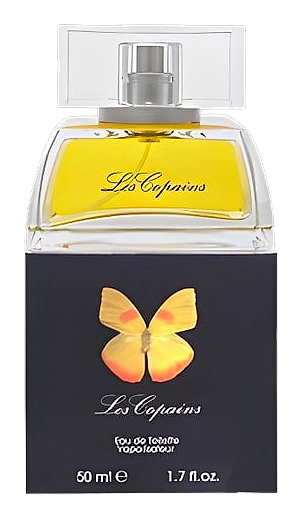




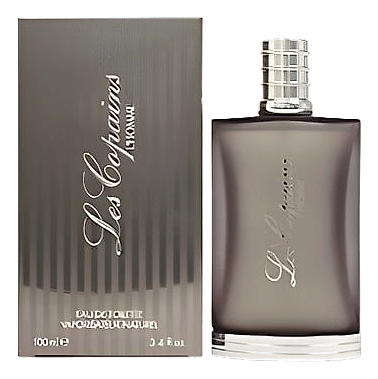




Heritage
A house, in its own words
Les Copains emerged from the Italian fashion landscape in the late 1950s, when designer Mario Bandiera established the house and chose a name that would signal international sensibility. The decision to name his brand after a French expression, meaning friends or pals, was deliberate and strategic. During this period, Italian fashion houses frequently looked to France for cultural validation, and Bandiera embraced that connection by making it explicit in his branding. The name itself suggests camaraderie and informality, values that would distinguish Les Copains from more austere Italian contemporaries. As the house grew, it developed a reputation for combining French-inspired aesthetics with Italian craftsmanship, a duality that became central to its identity. The expansion into perfumery arrived in 1988 with the release of Les Copains Eau de Toilette, a move that allowed the brand to translate its textile sensibilities into olfactory form. Fashion, after all, deals in texture, drape, and the way materials interact with the body, and Les Copains approached fragrance with similar concerns. Over subsequent decades, the house released numerous flankers and variations, including the 1991 Green Twist edition that captured growing environmental consciousness among European consumers. The dual releases of 1998, 2001, and subsequent years demonstrated a commitment to addressing both the women's and men's fragrance markets. Each chapter of Les Copains history reflects the evolving priorities of Italian fashion: the energy of postwar reconstruction in the 1950s, the experimental spirit of the 1990s, and the increasingly global outlook of the 2000s. The philosophy guiding Les Copains fragrance creation rests on accessibility without compromise. Where many perfume houses position their creations as exclusive experiences reserved for particular occasions, Les Copains designs scents for daily wear, for friendship, for the ordinary moments that actually constitute most people's lives. This approach emerges directly from the brand name itself, which conjures images of companions rather than celebrities. The house believes fragrance should function as a quiet companion, present but not intrusive, personal but not isolating. Italian fashion has historically balanced creativity with wearability, and Les Copains embodies this tradition in its olfactory work. The brand resists the notion that perfume must announce itself dramatically to be effective. Instead, Les Copains compositions aim for presence that reveals itself gradually, the kind of scent a friend notices when standing close rather than one that precedes its wearer into every room. This philosophy also shapes the house's pricing strategy and distribution approach, keeping Les Copains fragrances within reach of the customers they aim to serve. The house does not chase industry awards or critical validation as primary goals. Instead, it measures success through customer loyalty and the simple pleasure of wearing something well-made, thoughtfully composed, and genuinely pleasant. This stance has allowed Les Copains to maintain continuity across decades, producing fragrances that feel consistent with the brand's core identity rather than chasing every passing trend.