The Story
Why it exists.
The beginning
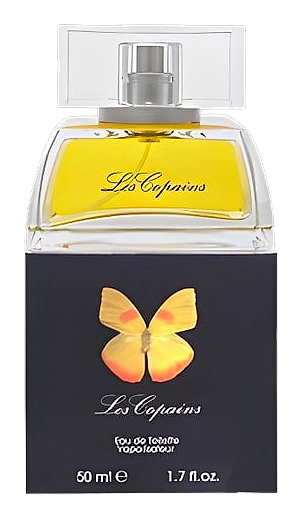
Papillon arrived in 2004 as a statement of intent from an Italian fashion house that had spent decades making elegant clothing for women who wanted to look put-together without performing for anyone. The name itself carries intention. A butterfly doesn't announce itself. It moves through a space, and by the time you register what happened, the moment has already shifted. That's the energy Les Copains was after. Not a fragrance that fills a room on entry. A fragrance that leaves an impression by the time it fades. The house had built its identity on accessible sophistication since 1958. Fragrances weren't a sideline for Les Copains, they were an extension of the same philosophy: clothing and scent as daily companions, not occasion pieces. Papillon fit that template perfectly. A composition named after something fleeting and beautiful, made to be worn often, by anyone who wanted to smell like an afternoon worth remembering.
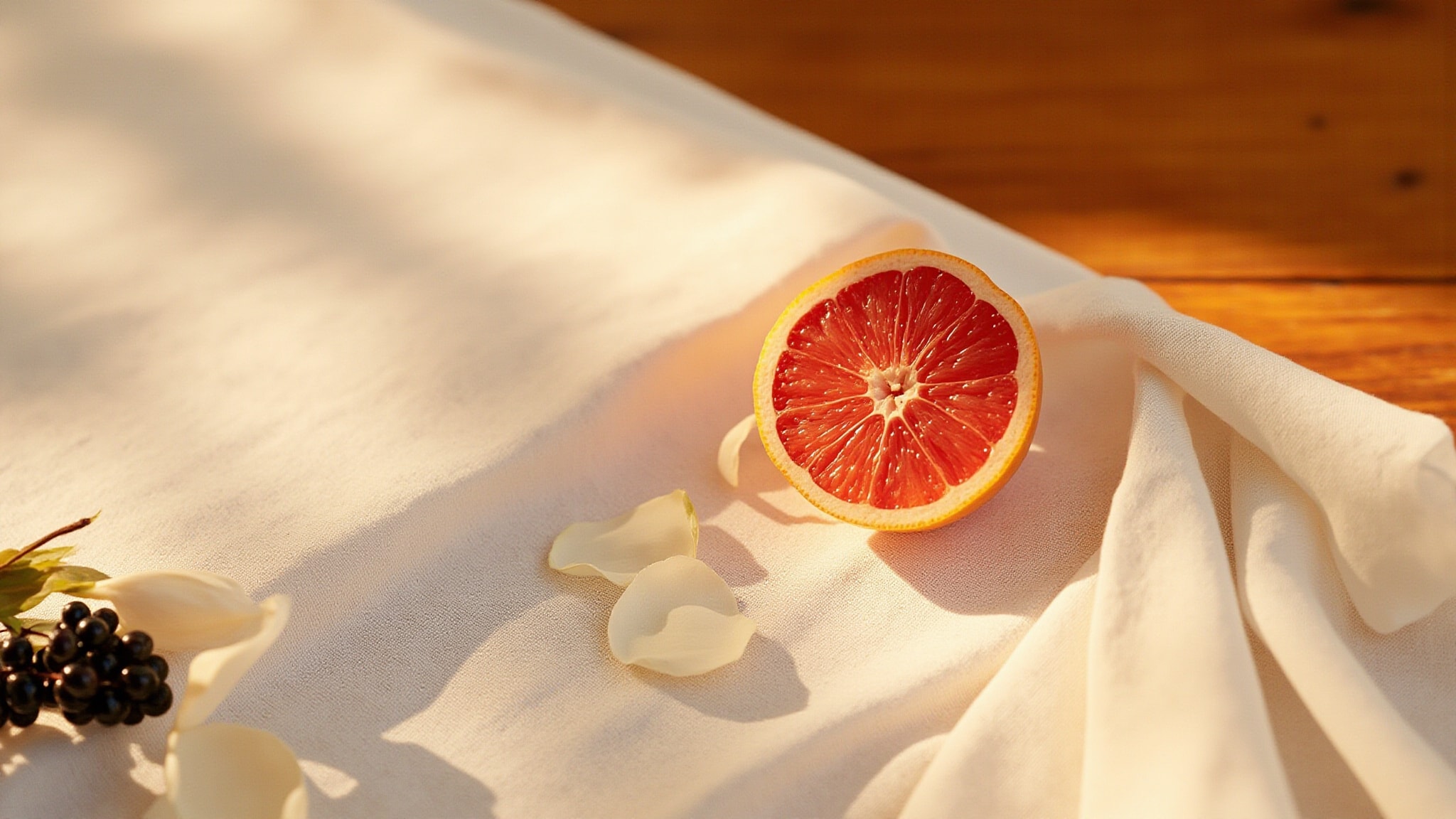
The note architecture of Papillon is unusual in how deliberately it refuses climax. Most floral fruity fragrances build toward something, a vanillic drydown, a musk bomb, a woody foundation that announces permanence. Papillon distributes its weight differently. The citrus opening is brief but intentional, bright without sharpness. The heart combines pink grapefruit with blackcurrant and stone fruits, peach, melon, in a way that reads as sunny rather than sweet. The fruit is present but never overwhelming. Then the base arrives and doesn't insist. Magnolia, lily, jasmine in a white floral constellation anchored by cedar, amber, and white musk.
The evolution
The opening is citrus and immediately you understand the season. Bergamot, orange, Sicilian lemon, not competing, arriving together like a group of friends who all showed up at once. It lasts maybe twenty minutes before the pink grapefruit begins to bleed through, cutting the brightness with something almost juicy. This is the phase where Papillon feels most like itself: sunny, warm, unhurried. The heart takes over around the thirty-minute mark and the citrus retreats. Melon and peach arrive, soft and round, but the blackcurrant keeps things from going completely languid. There's a tart undertone that prevents the composition from floating away. The white florals, magnolia first, then jasmine, then lily, don't arrive all at once. They filter in quietly, one after another, like guests arriving late to a party and settling in without disrupting anything. By hour two, the drydown has begun its slow work. Cedar shows up first, giving the composition a slight structural lift before the amber and white musk pull it back toward skin.
Cultural impact
Papillon occupies a quiet corner of the early-2000s fruity floral landscape, not a blockbuster launch, not a statement fragrance, but something worn by women who found it and kept reaching for it. The community ratings place it solidly in positive territory, with the longevity and sillage both registering as moderate, consistent with Les Copains' broader philosophy of balance over spectacle. What distinguishes it from contemporaries in the genre is the cardamom and violet root in the drydown, which prevent it from feeling like a direct descendant of the aquatic-fruity wave that dominated that era. Wearers tend to describe it as the fragrance of someone who doesn't need to announce herself.