
The Story
Why it exists.
The beginning
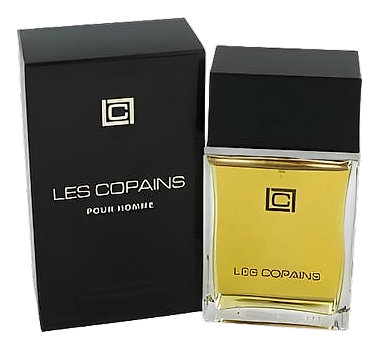
Pour Homme arrived in 2005 as Les Copains brought its fashion philosophy into fragrance. Pour Homme was the logical extension: a scent designed for the moments between arrivals and exits, for daily wear rather than special occasions. The name itself, Pour Homme, French for 'for men', fit the brand's international sensibility, that playful nod to European camaraderie that had defined Les Copains since Mario Bandiera founded the house in 1958. The composition unfolds with citrus brightness that gives way to warmer, more intimate notes as the hours pass, creating a fragrance that accompanies the wearer through routine moments with quiet confidence.
What makes Pour Homme interesting is what it doesn't do. It doesn't announce. It doesn't demand. Instead, it builds its character through contrast: a citrus opening that dries into something warmer, softer, unexpected. The heart reveals water lily, cool and slightly aquatic, a note more common in feminine compositions. Paired with cinnamon, it creates a curious tension: cool floral against warm spice. The base leans on cashmere wood and violet root, two materials that give the fragrance its powdery, almost tactile quality. This is woody in the way a cashmere sweater is woody, soft, textured, present without weight.
The evolution
The opening arrives clean. Bergamot, orange, lemon, a Mediterranean citrus burst softened slightly by thyme's herbal presence. For the first thirty minutes, it's bright and direct, the kind of scent that registers as fresh without trying too hard. Then the hand-off begins. The citrus recedes and the heart takes over: water lily's cool aquatic note meets cinnamon's warm spice. The transition can feel jarring at first, cool against warm, but they settle into each other. The water lily keeps the cinnamon from becoming too heavy; the cinnamon keeps the water lily from feeling too delicate. By hour two, the drydown establishes itself. Tobacco and vanilla create warmth without sweetness, there's enough earthiness in the tobacco to keep it grounded. Sandalwood and patchouli add depth without darkness. But the signature is cashmere wood and violet root together: a powdery, slightly dry finish that lingers close to the skin. Musk holds everything intimate. The sillage stays moderate, this is not a room-filling fragrance. It's a skin fragrance.
Cultural impact
Pour Homme occupies a particular space in the landscape of men's fragrances: woody warmth meets powdery drydown, creating a composition that feels both familiar and distinct. Some wearers detect similarities to classic masculine scents, finding connections to broader fragrance traditions. The scent leans toward approachability rather than bold statement, positioning itself as an everyday companion rather than a special occasion piece. This measured presence reflects a certain philosophy of fragrance as personal presence, something that lingers close to the skin rather than announcing itself across a room.