Violet Root
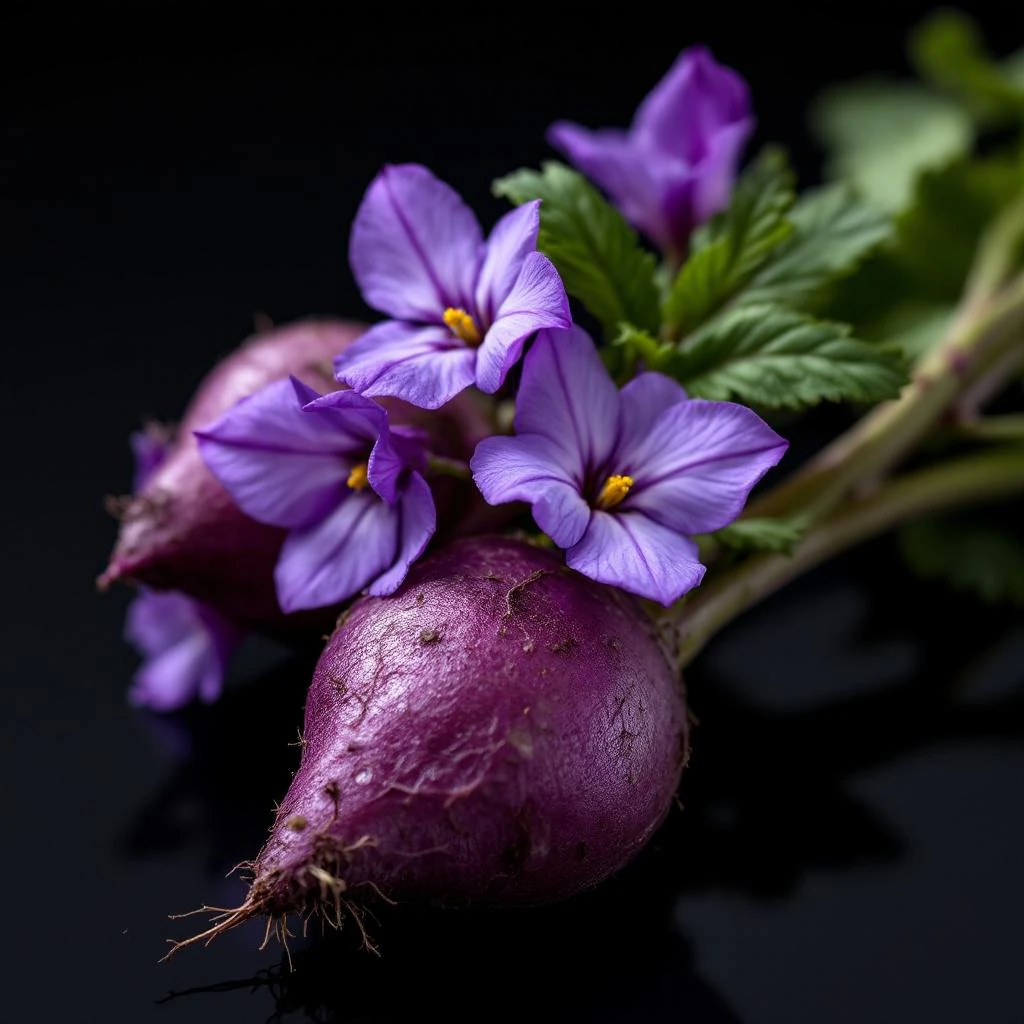
Violet root, extracted from the dried rhizomes of bearded iris, delivers a powdery, sweet scent that mirrors fresh violets yet carries a subtle earthy nuance, making it a prized fixative in fine perfumery.
Character
How it smells
Powdery violet essence with an earthy whisper.
Before synthetic ionones arrived, perfumers relied on violet root’s natural ionone content, harvesting up to 1,200 kg of rhizomes annually in Grasse to mimic true violet fragrance.








Origin
France
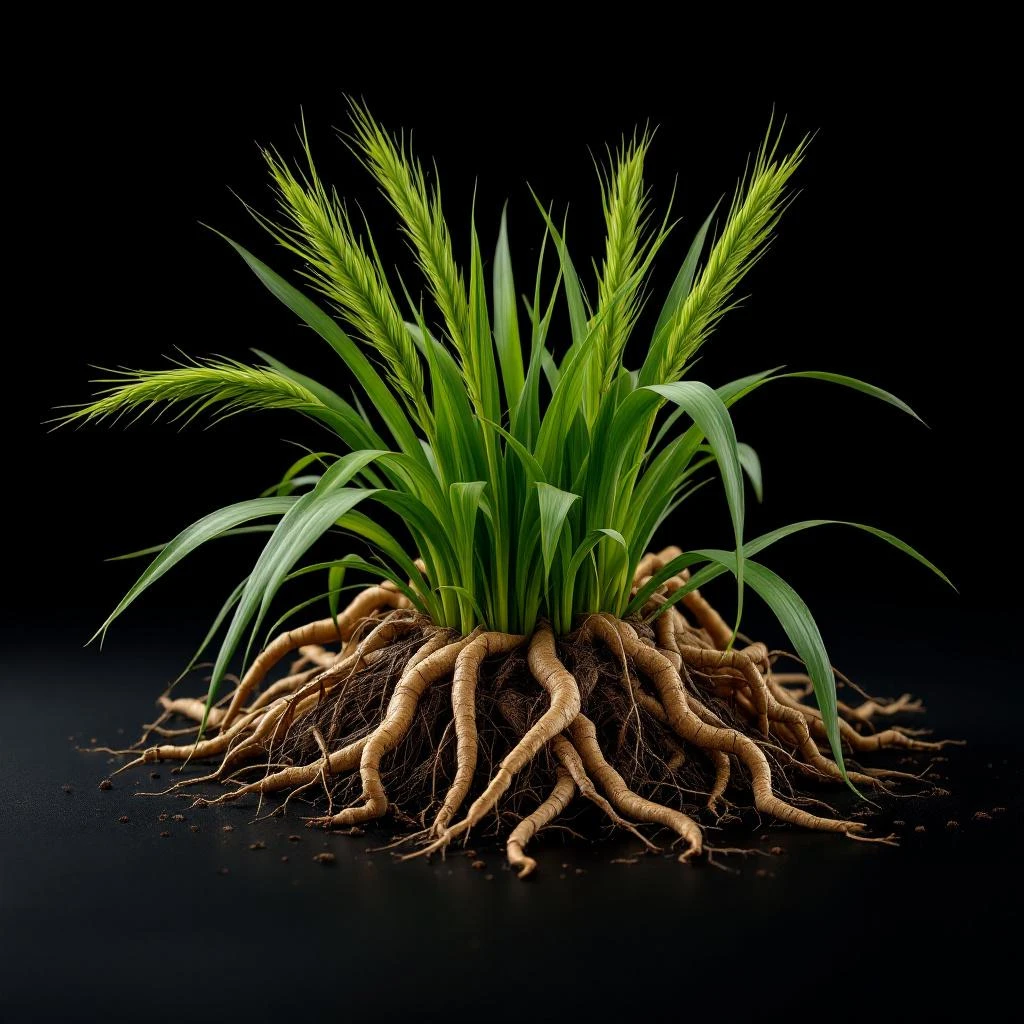
The story of violet root begins in ancient gardens where bearded iris was prized for its medicinal roots. By the Middle Ages, European apothecaries recognized the rhizome’s fragrant potential, grinding it into powders for scented balms. In the 18th century, French perfumers in Grasse turned to iris rhizomes as a reliable alternative to the delicate violet flower, whose short bloom made extraction costly.
The 1867 establishment of violet fields in Grasse sparked a parallel rise in iris cultivation, and by the late 1800s, violet root accounted for a third of the region’s aromatic exports. The breakthrough came in 1898 when chemists Tiemann and Kruger synthesized ionone, a key molecule also abundant in violet root, confirming the botanical’s scientific relevance. Throughout the 20th century, violet root remained a staple in haute couture fragrances, valued for its ability to anchor fleeting top notes.
Today, boutique houses revisit the classic rhizome, honoring its legacy while exploring sustainable farming practices that echo the heritage of Grasse’s historic perfume lanes.
Wears it best
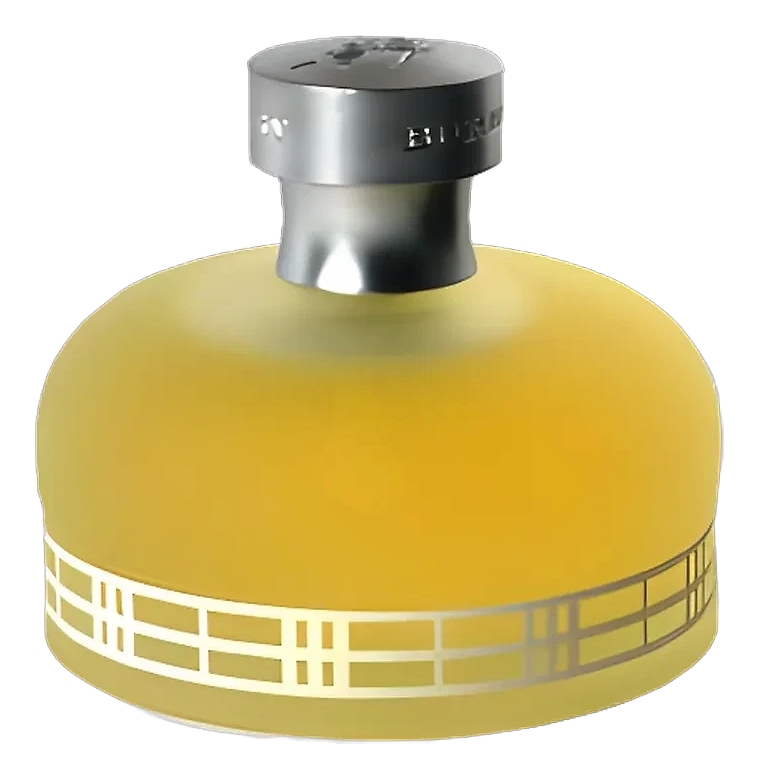
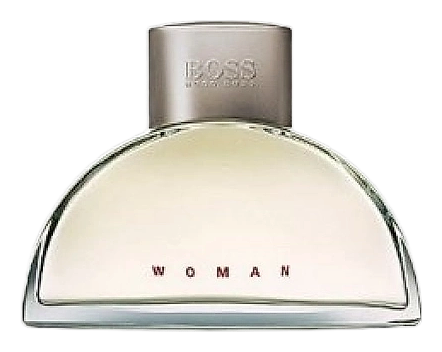
Fragrances featuring Violet Root


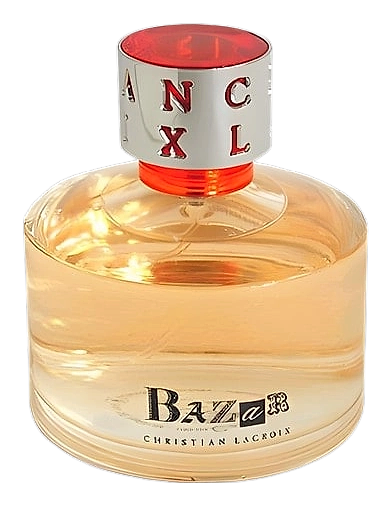
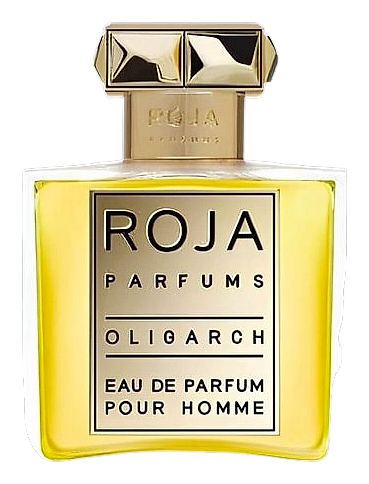
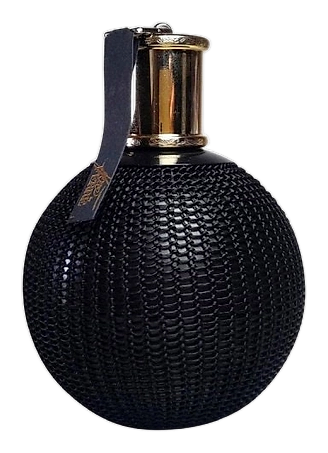
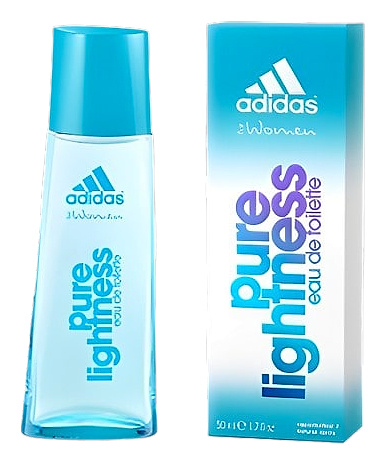
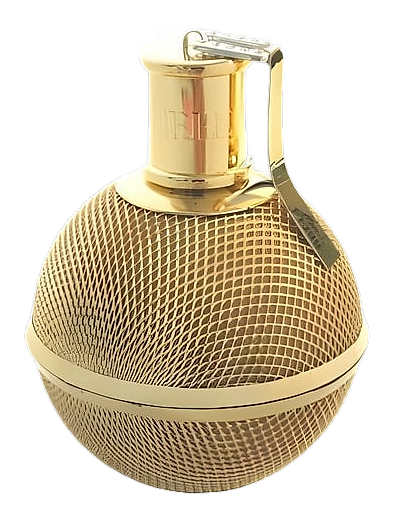
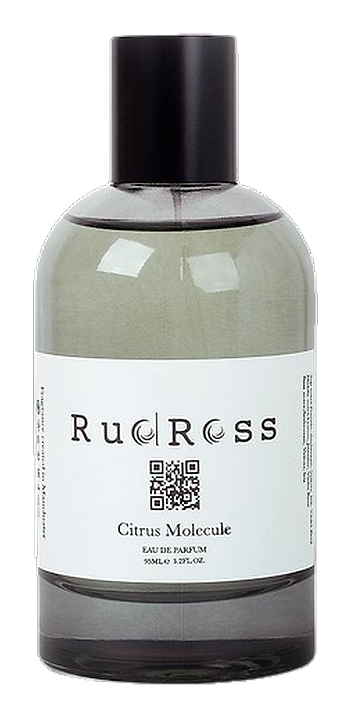
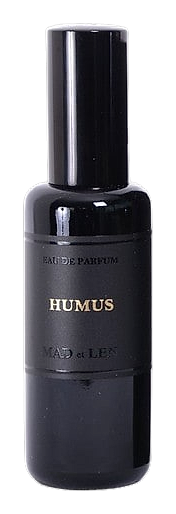
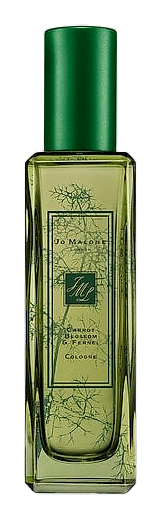
Brands
Brands known for Violet Root
Good to know
Questions, answered
The essentials on Violet Root in perfumery: how it smells, where it comes from, and how it behaves on skin.
What aroma does violet root impart?
Violet root delivers a powdery, sweet scent reminiscent of fresh violets with a subtle earthiness. The note reads like a soft, dried flower in a sunlit meadow. A 2022 GC‑MS analysis recorded dominant ionone and methyl ionone compounds, which create that characteristic aroma.
How long does violet root last in a perfume?
Violet root extends a perfume’s dry‑down by three to five hours. Its low volatility lets it linger after top notes evaporate. Laboratory aging tests in 2021 showed a 4‑hour persistence on blotter strips at 25 °C under controlled humidity of 50 %.
Is violet root natural or synthetic?
Violet root is a natural material derived from the rhizome of Iris germanica and related species. It is not a synthetic aroma, though some modern compositions mimic its profile with lab‑made ionones. The 2020 IFRA report lists it as a botanical ingredient.
Which extraction method yields the purest violet root oil?
Solvent extraction produces the richest violet root absolute, preserving the full ionone spectrum. Steam distillation yields a lighter oil with fewer nuances. In a 2019 comparative study, solvent‑extracted samples retained 87 % of the original scent profile versus 62 % for distillation.
Where is the main production of violet root today?
France supplies the majority of today’s violet root, centered in the Grasse region. In 2022 French farms reported harvesting 1,200 kg of dried rhizomes, outpacing all other producers. The climate of Provence nurtures the iris varieties prized for their fragrance in the global market.
How is violet root used beyond perfumery?
Beyond perfume, violet root finds use in high‑end cosmetics as a fixative and in aromatherapy for its calming profile. A 2021 clinical trial recorded a 15 % reduction in perceived stress after inhaling a dilute violet root solution during a ten‑minute session.
What safety considerations apply to violet root?
Violet root is generally safe for topical use, but it can trigger allergies in sensitive individuals. Patch‑test data from 2018 show a 2 % incidence of irritation among volunteers exposed to 5 % absolute concentrations in a controlled environment over a 48‑hour period.
How does violet root differ from true violet absolute?
Violet root differs from true violet absolute in its chemical backbone; the root relies on ionones while violet petals produce methyl‑p‑hydroxybenzoate. This gives the root a powdery, slightly woody edge versus the fresh, green sweetness of violet. A 2017 chromatographic comparison recorded ionone levels at 0.8 % in root versus 0.1 % in petal extracts.


